
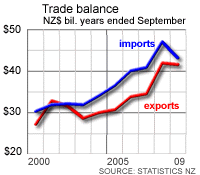
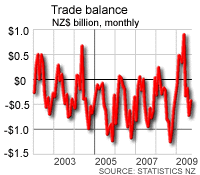
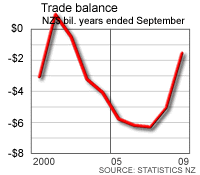
 New Zealand's trade deficit in October was better than expected, narrowing from September's deficit of NZ$1.26 billion to NZ$942 million. However, the annual trade gap for the year ended October 2008 widened to NZ$5.21 billion, the widest gap in 2008, but as a percentage of exports it was the lowest deficit for an October year since 2003. Imports and exports continued to grow in October due to higher oil prices and a falling New Zealand dollar. Despite growth, trends have eased in recent months as the global economic environment weakened, leaving room for aggressive easing of the Official Cash Rate by the Reserve Bank of New Zealand, JP Morgan economist Helen Kevans said. The October deficit of NZ$942 million was the second largest for any October month. Despite this, as a percentage of exports (24.6%), it was below the average of the last five years (31.1%). Economists had been expecting the deficit for the month to be NZ$1 billion. Exports in October were buoyed by the fall of the New Zealand dollar, up 13.8% from the month of October 2007. However, export growth has been easing since January because of the drought in the early part of the year, Statistics New Zealand said. Kevans said that weakening global demand and falling commodity prices will hit exports despite the lower NZ dollar adding to the competitiveness of New Zealand's exports.
 "Weakening global demand and falling commodity prices mean exports will slow considerably. On our forecasts, net exports will be a drag on economic growth over the remainder of 2008 and in 2009, even though NZ dollar depreciation will boost exporters' competitiveness," Kevans said. Imports grew 15.3% in October from October 2007, down from growth of 26.6% in September due to weakening domestic demand. However, the value of imports for October was the highest for any month, at NZ$4.8 billion, due to oil imports surging 70% from the month of October last year. For the three months ended October, the value of oil imports rose 72% from the same three months last year. "Imports will continue to weaken as domestic demand flags amid the deteriorating housing market and loosening labour market conditions. Aggressive policy easing by the RBNZ, though, should cushion the blow to some extent," Kevans said.
  Exports of milk powder, butter and cheese grew 37.3% in the October year from the year ended October 2007. Crude oil exports for the year grew 235% as the Tui oil field completed its first full year of operation in July 2008. Meat exports in the month of October grew 31.3% from October 2007 and grew 13.5% in the year ended October 2008. Imports of vehicles, parts and accessories in the month of October fell 4.5% from the same month last year. By country of origin, Australia continued to be the top destination for both imports and exports. Imports from Australia in the month of October grew 4.6% to NZ$859 million from October last year and exports grew 11.3% to NZ$942 million. New Zealand's free trade deal with China in mid 2008 apparently had an large impact on trade between the two, exports to China in October grew 53.3% to NZ$222 million from October last year while imports grew 13.1% to NZ$649 million.
We welcome your comments below. If you are not already registered, please register to comment
Remember we welcome robust, respectful and insightful debate. We don't welcome abusive or defamatory comments and will de-register those repeatedly making such comments. Our current comment policy is here.