
Here's my summary of the key events over the weekend that affect New Zealand, with news that while economic growth is spreading world-wide, the Cold War may be returning.
Firstly in the US, consumers remain quite confident about their current income and prospects but are turning less comfortable about future prospects.
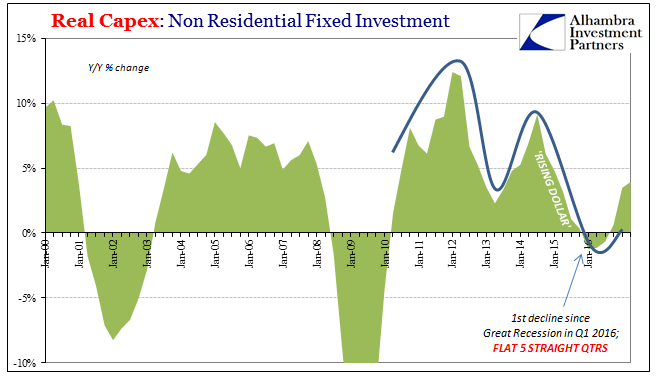
And that is borne out in the latest GDP data. US economic growth in the June quarter came in a little higher than the modest levels expected at +2.6%. This is a level it is at about the average for the past five years. But one less-than-stellar aspect is that while personal income growth stayed high, the Fed's favoured inflation measure, the PCE actually declined.
North of the border, Canada has surprised markets with very strong economic growth in the year to May. Their economy was +4.6% larger in real terms in the year. The local story was the sharper than expected recovery in the quarter, due to a bounceback in their oil patch after some fires. But the year-on-year data looks past that, and observers are impressed. The Bank of Canada is expected to raise rates further and wind down their stimulus.
And staying in Canada, in the West, forest files are curtailing log harvesting. That is sure to impact our markets in China and help keep prices up.
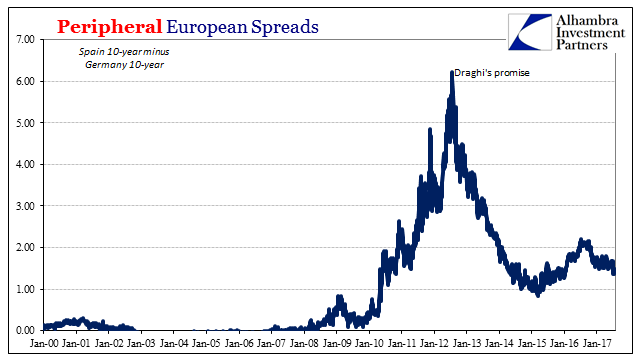
Across the Atlantic, Spain has reported GDP growth at an impressive +3.1% annual rate. What is notable is that Spain has now finally recovered all it lost during its economic crisis. It was one of the core sufferers in the GFC due to a major housing boom meltdown.
Russia said overnight that they are poised to retaliate aggressively against new American sanctions on Moscow. Those measures are a response to their bald interference in the US presidential elections. Ironically, President Trump is expected to sign them into law, mainly because he has been trapped by Congress into doing do by an overwhelming vote that is veto-proof.
China is moving to upgrade its regulation of its insurance industry. That has been a sector which has used its premium income to make wild 'investment' bets, worldwide. However, Beijing has had enough of its insurance cowboys and is now reining them in.
In Australia, the opposition Labor Party has announced a policy to tax distributions from family trusts at a 30% rate. The idea is to prevent the wealthy from splitting their income to avoid the higher rates of tax. Apparently this rort is very widespread and the party estimates that it would recover AU$17 bln in taxes over the next ten years.
In New York, the UST 10yr yield will start today a little lower at 2.29%.
The price of oil rose again over the weekend by about US$1 and is now at just under US$50 a barrel, while the Brent benchmark is now just over US$52.50.
The price of gold is up sharply, up US$20 to US$1,269/oz.
The Kiwi dollar will start a little higher at 75.1 USc. On the cross rates we marginally higher at 94.1 AU¢, and marginally lower at 63.9 euro cents. As a result the TWI-5 index will start today at 77.6.
If you want to catch up with all the changes on Friday, we have an update here.
The easiest place to stay up with event risk today is by following our Economic Calendar here ».
We welcome your comments below. If you are not already registered, please register to comment
Remember we welcome robust, respectful and insightful debate. We don't welcome abusive or defamatory comments and will de-register those repeatedly making such comments. Our current comment policy is here.