
Climate adaptation in New Zealand isn’t currently happening at the scale or pace that’s needed to meet the country’s climate goals, according to the Climate Change Commission.
And according to the Commission’s Chairman, the window of opportunity is narrowing.
A monitoring report from the Commission – the first in a series of two-yearly progress assessments against the government’s national adaptation plan – was released on Thursday.
The report assessed NZ’s first national climate adaptation plan from 2022 and found climate change risks were rising and being “insufficiently addressed” by NZ’s adaptation action.
"The Commission finds limited evidence that the first national adaptation plan is driving adaptation at the scale or pace needed," the report said.
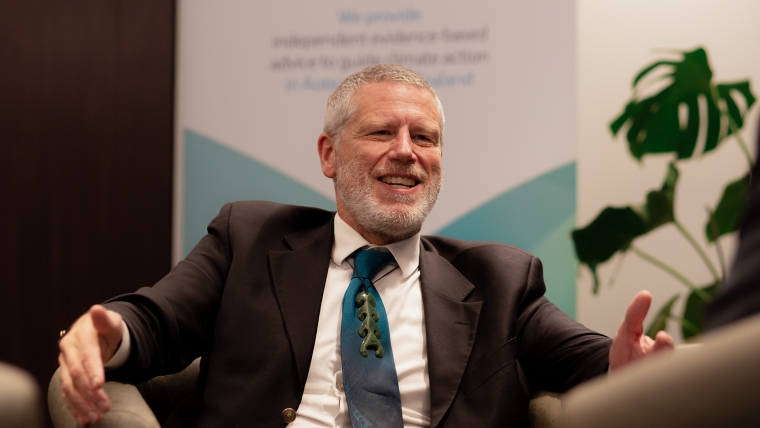
Commission Chairman Rod Carr said "urgent action" was needed and time was of the essence.
"Climate change is making severe weather events like those felt across the motu in recent years more frequent and intense. The impacts can be widespread and long lasting, and as they occur more frequently, the costs - economic and otherwise - will rise too," Carr said.
The Commission’s report identified six areas where it said action is urgently needed, including clarifying roles, responsibilities and processes for planning and decision-making, providing clarity on how adaptation-related costs and climate-related losses will be shared and paid for.
"Clarifying who funds which parts of adaptation efforts, and making sure the costs and impacts don’t fall unfairly, will be critical so that people can make informed decisions," Carr said.
"Time is of the essence here, as in many cases the results of action will take years to play out. There is a window of opportunity to reduce the cost and hurt that climate change can cause - but it will take time to build the foundations that are needed so that window is narrowing. The impacts of climate change are happening, will keep happening and we need to act."
Carr said in the report that over the course of 2023, authorities had declared a record 17 weather-related states of emergency and as the intensity of climate impacts rose, the costs "economic and otherwise" would rise as well.
"Currently, the country largely has a ‘pay as you go’ model, where insurance and government compensation pick up the tab for damages. However, that is unsustainable, as highlighted by The Treasury’s estimate that the total cost of damage to physical assets from the Auckland Anniversary weekend floods and Cyclone Gabrielle was in the range of $9 billion to $14.5 billion – and this figure does not include ongoing costs from these events," he wrote.
The Commission’s Chief Executive Jo Hendy said while climate adaptation was playing out through decisions made locally by councils, iwi/Māori, communities, financial institutions, property owners and individuals, “big questions” remained unanswered.
"[...] such as how to ensure adaptation action is effective; who pays the costs; how the costs will be paid for; how to reduce the risk that some people, communities, sectors and regions will be impacted more than others; and how to leverage potential opportunities," she said.
The Commission has laid out nine recommendations in its assessment report. Seven of the recommendations are around helping NZ shift from the "current reactive approach to a more proactive one" and two recommendations are on improving national adaptation planning and monitoring.
The nine recommendations in full are:
- Enable effective local planning and action
- Provide clarity on how costs will be shared and paid for
- Ensure iwi/Māori can plan and act
- Improve the science and research system
- Work to ensure costs and impacts do not fall unfairly on particular communities and groups
- Prepare a workforce development strategy and plan
- Facilitate sharing of expertise and information
- Make the direction, scale and pace of change required clear
- Make changes to improve the plan’s effectiveness and monitoring of it
The Commission said its report was relevant to Parliament’s cross-party inquiry on an adaptation framework, which is due to release its findings in September.
In May, the Finance and Expenditure Committee was given the role of working out how NZ copes with the costs and risks from future climate change events.
We welcome your comments below. If you are not already registered, please register to comment
Remember we welcome robust, respectful and insightful debate. We don't welcome abusive or defamatory comments and will de-register those repeatedly making such comments. Our current comment policy is here.