
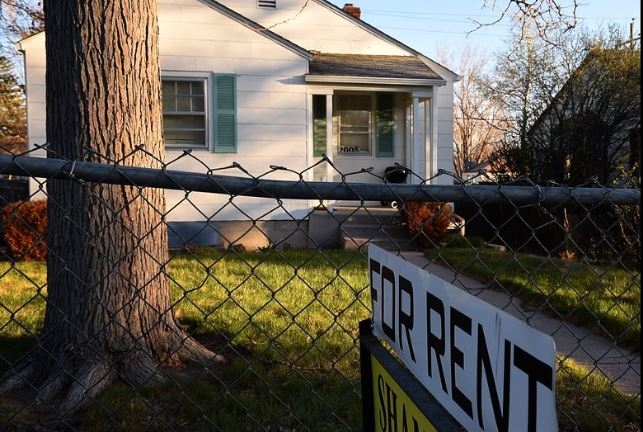

The first quarter (Q1) of this year was a busy time for rental housing activity but rents remained flat overall.
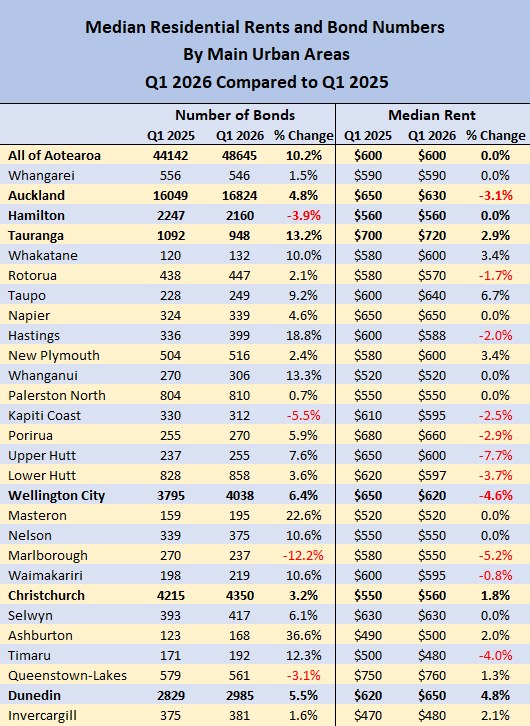
The latest data from Tenancy Services shows there were 48,645 rental bonds received from across the country in Q1, up 10.2% compared to Q1 last year.
However, that growth did not extend into the rents being charged, with the national median rent remaining unchanged at $600 a week.
The national median rent has now been unchanged for the last two years, apart from a very slight dip in the middle of last year.
Most bonds are lodged at the start of a tenancy so these figures are a leading indicator of where the rental housing market is headed.
Q1 is usually a busy time for the rental market because of the number of students signing up for new accommodation for the year, and it also often coincides with people moving locations for work purposes. However, Q1 this year was exceptionally busy.
The 48,645 bonds received was the highest number in any quarter since interest.co.nz began collating the data at the start of 2021. That extra activity does not appear to have translated into higher rents.
Of the 28 main urban districts around the country, eleven recorded declines in their median rents between Q1 last year and Q1 this year, eight were unchanged and nine recorded increases. The table below shows the full results by urban district.
The main areas of rental weakness were Auckland, where the median rent declined by $20 a week (3.1%) compared to a year ago, and the Wellington Region where median rents declined by between 2.5% on the Kapiti Coast to a whopping 7.7% in Upper Hutt.
The biggest increases in median rents were in Taupo, up 6.7% and Dunedin up 4.8%.
These figures, and the latest data from property websites such as Realestate.co.nz, suggest there is a good supply of properties available to rent and many tenants are taking advantage of this to find a property that better suits their needs.
However, this does not necessarily involve paying more in rent.
For landlords, the good news is that while there is a healthy supply of properties on the rental market, this hasn't resulted in a serious crash in rents. Although they are definitely softer in the major markets of Auckland and Wellington, and landlords in most places probably shouldn't expect much if any rental growth for the time being.
The comment stream on this article is now closed.

9 Comments
Auckland’s median rent is very low comparatively considering house values. You can get more rent on average in Napier!
Either landlords outside Auckland are creaming it or those in Auckland are doing pretty bad.
For renters it must be cheaper to live in Auckland than Napier these days considering pay is higher in Auckland. Unusual by world standards for a big city to be cheaper.
Amazing what a concerted surge in new housing construction can do for rents
Oh the humanity. Without endless rental growth how will speculords survive...?
Not many of the spruikers around the last 7 days...
Like on the Russian front lines, they are all face deep in the trenches, with combat helmets fastened tight.
This NZ housing market crash seems to be endless. We are seeing the Japan style, decades crash play out.....
Yup. I guess they are facing reality of no ammo or rations in their cause. Capitulation.
Do any still exist?
Are they all hiding in a commune somewhere with their guru, Ashley 'Property Prices Double Every Ten Years' Church?
He seems much more interested in Zionism these days
For a supposed godly man, Ashley would be on sharp end, of having his money loving tables being upended in the biblical Temple.
His favoured preaching perch, has been for a while now, at the Property Pulpit.
- His flock is now bewildered, after being dragged through the dry desert and burning bushes, since the last great money grubbing feastings of 2021.
All that's left now is pennyless, bereft and sad sack property pilgrims, shambling about the olive groves, feeling forsaken.
11/29 cities/regions = 37.9% decreased median rent
9/29 cities/regions = 31% no change (inflation adjusted = real decrease)
68.9% of the country observed real decrease
Seems some are still waiting on the next boom that has yet to have even a faint whiff of eventuating.
We welcome your comments below. If you are not already registered, please register to comment
Remember we welcome robust, respectful and insightful debate. We don't welcome abusive or defamatory comments and will de-register those repeatedly making such comments. Our current comment policy is here.