
By Eleanor Briggs*
When El Niño was officially declared in New Zealand, my first reaction wasn't concern – it was excitement.
That might sound strange.
El Niño usually arrives with warnings of droughts and extremely dry conditions. But for New Zealand's electricity system, it could actually be good news.
That's because what matters for our hydro system isn't how much rain falls across the country – it's where it falls. El Niño often brings more rain to the west coast of the South Island, home to many of the catchments that feed our hydro lakes.
More water in those lakes doesn't guarantee lower prices. But in a market where electricity prices are set every 30 minutes, good hydro conditions generally ease pressure on wholesale prices.
This should be something worth celebrating. Instead, it highlights a frustrating reality: a single weather event can still have a major influence on our electricity system, and when nature does deliver us a surplus of renewable energy, we're not set up to fully capture and share the benefits.
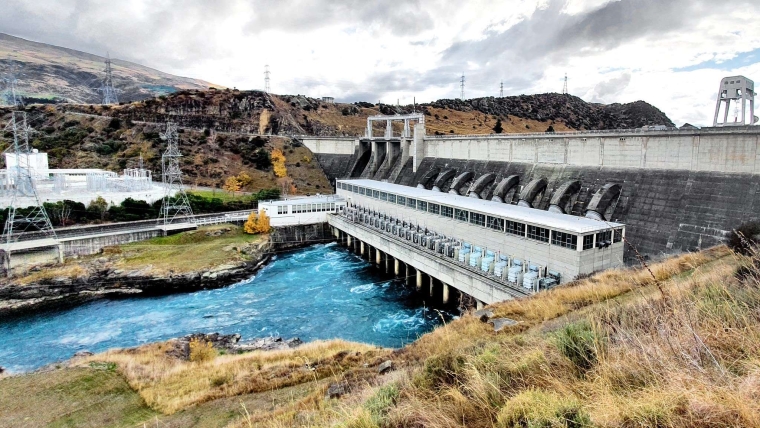
Around 60% of New Zealand's electricity comes from hydro generation, which means our fortunes are still closely tied to the weather.
Our hydro lakes act like giant batteries, storing water that can later be turned into electricity – but they can only hold so much. We can't save years' worth of rainfall for a dry season down the track, and when it rains, much of that water needs to be used relatively quickly or the opportunity is lost.
Without enough diversification into wind, solar, geothermal and other forms of storage, we remain structurally exposed to whatever the sky happens to be doing.
Retail pricing creates a second challenge. Electricity plans are typically set well in advance to protect consumers from sudden price spikes, meaning wholesale market movements don't immediately flow through to households.
This is sensible from a consumer protection perspective, but it also means periods of favourable conditions don't necessarily translate into immediate or obvious benefits for customers.
A country with our renewable resources shouldn't still feel constrained by the weather. We have the potential for so much more abundance, but our system isn't yet delivering it.
As New Zealand electrifies more of its economy, secure and competitively priced electricity will become even more important. That means we need more than just good rainfall. We need more generation, more diversity and more resilience.
The way our electricity market is currently structured warrants scrutiny. A handful of gentailers dominate the sector, and there is an ongoing debate about whether this model is sufficiently aligned with delivering the scale of new generation New Zealand needs.
And the cost of that constraint extends far beyond our power bills. Overseas analysts have already identified New Zealand as an attractive destination for energy-intensive industries like data centres because of our renewable resource base.
On paper, we should be a natural fit: abundant wind, geothermal and solar resources, combined with an increasingly renewable electricity system.
But that promise runs into the same problem. We have the resources, yet we haven't built the system to fully unlock them. The fact that New Zealand isn't seeing a wave of investment in these industries suggests the constraint isn't our natural advantage – it's our ability to turn that advantage into abundant, affordable and reliable electricity.
Recognising the opportunity isn't enough. Unless we can unlock new generation and build a system that supports growth, New Zealand risks watching those investments – and the jobs and economic activity that come with them – go elsewhere.
A wet year should be unambiguously good news. The fact that a favourable weather pattern still feels significant for electricity prices and supply is a reminder that New Zealand's challenge isn't a lack of renewable resources.
It's building an electricity system capable of turning those resources into the abundance of electricity that a country like New Zealand should be able to deliver.
*Eleanor Briggs is Chief Commercial Officer at Electric Kiwi, which is owned by the Energy Collective.
We welcome your comments below. If you are not already registered, please register to comment
Remember we welcome robust, respectful and insightful debate. We don't welcome abusive or defamatory comments and will de-register those repeatedly making such comments. Our current comment policy is here.