
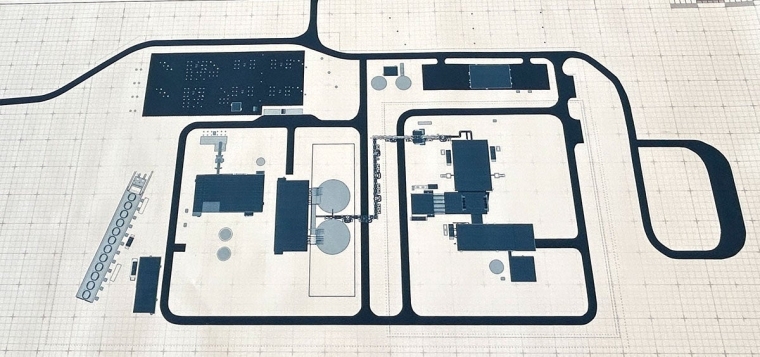
No end is in sight for the demand for power hungry data centres, so Oracle's Larry Ellison said the enterprise technology giant intends to build facilities powered by nuclear reactors.
Ellison made the announcement in an Oracle earnings call with investors and analysts, saying the company is building a gigawatt capacity facility, which will be powered by three small modular reactors (SMRs). Large data centres typically use electricity in the hundreds of megawatt range and Oracle, which has 162 under construction is building an 800 MW facility.
Further details on the location of the nuclear powered data centre wasn't provided by Ellison, nor did he disclose which company would supply the reactors, which have already been permitted.
The world is currently experiencing a data centre boom that's driven by continuing demand for cloud computing and artificial intelligence (AI) technologies. AI servers use graphics card technology based components that provide high performance at the cost of high energy use. Data centre builders and technology companies have to take not only the high power use of the servers into account, but also factor in cooling for them to dissipate the heat they produce.
Microsoft co-founder Bill Gates is betting on nuclear, through his Terrapower company that recently started construction on an advanced facility in Wyoming, United States.
The Terrapower reactor will have 345 MW capacity, and use molten salt as energy storage - hence it's called Natrium.
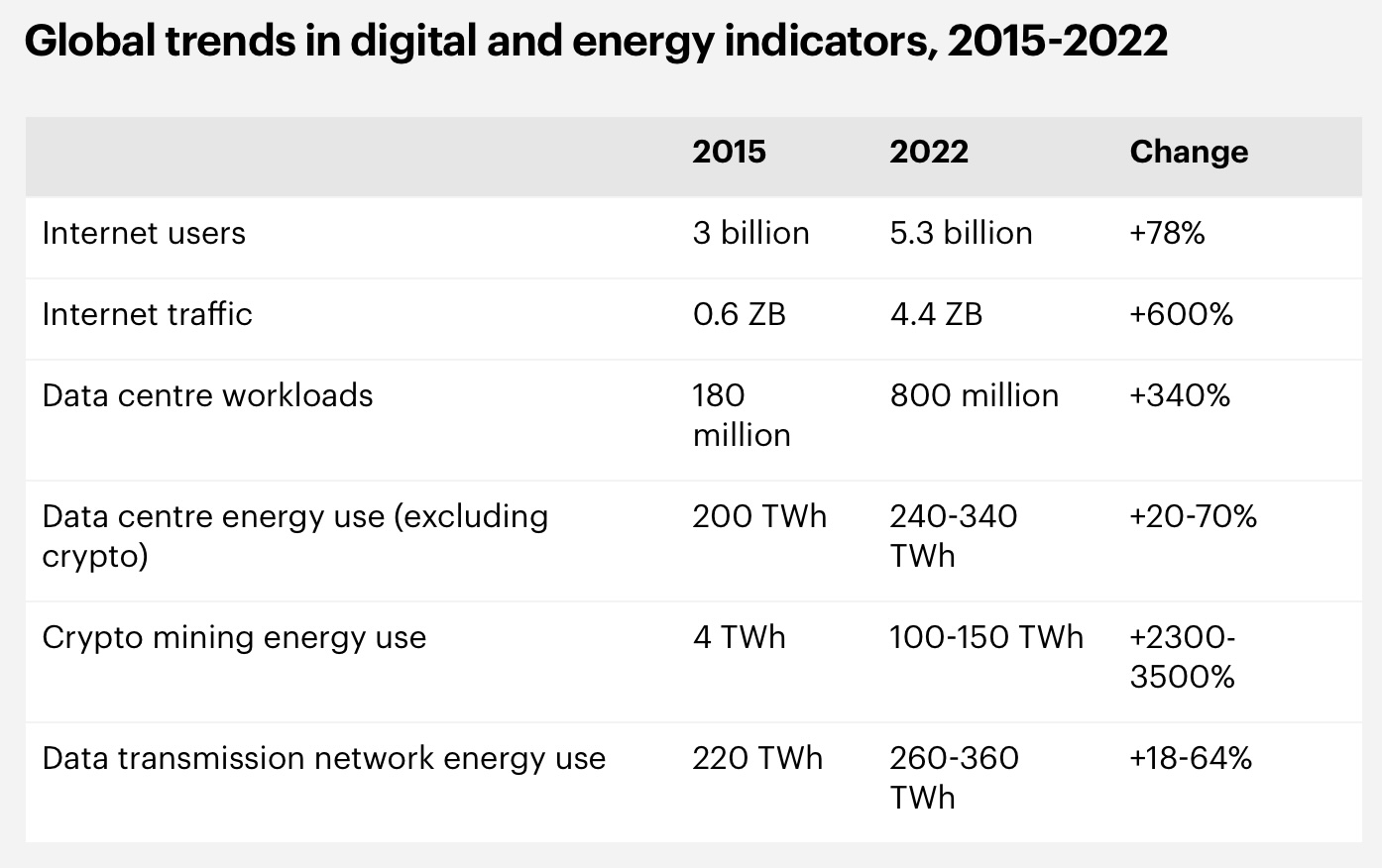
Data centres and the networks used to connect them to users are consuming an increasingly large amount of the world's energy production, and other resources such as water and land as well.
New Zealand is also riding the data centre boom to an extent, with Microsoft, CDC, and Hawaiki Cable founder Remi Galasso and partners building facilities around the country. Amazon Web Services is also planning data centres in Auckland, although the cloud giant's plans, part of a $7.5 billion promised investment schedule in New Zealand, appear to have hit a snag and been put on hold.
We welcome your comments below. If you are not already registered, please register to comment
Remember we welcome robust, respectful and insightful debate. We don't welcome abusive or defamatory comments and will de-register those repeatedly making such comments. Our current comment policy is here.