
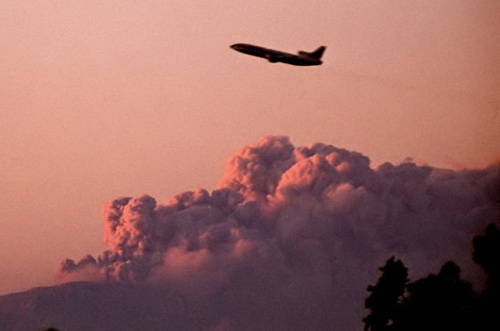
New research funded by the Natural Hazard Commission (NHC) has found hundreds of thousands of North Island homes could be covered in ashfall following a volcanic eruption.
The NHC’s research project aims to fill a gap between the existing internationally developed models and local New Zealand post-eruption data collection.
This will help authorities quickly assess damage from volcanic ashfall during and after an eruption.
The research team consists of GNS, the University of Canterbury and Nanyang Technological University in Singapore.
The team is developing the modeling approach, and the two-year project is expected to complete the new modeling tool by the end of 2025.
Josh Hayes, a Natural Hazard and Risk scientist at GNS who led the research, says a volcanic eruption could affect thousands of buildings around the North Island.
NZ needs a model that can provide a quick assessment of the scale of damage from a volcanic eruption, he says.
Creating a damage forecasting model will be “hugely beneficial” for authorities and communities to concentrate resources.
“We have not had any major ashfall since Mt Ruapehu erupted in 1995 and 1996, and that didn’t cause that much damage, so our understanding of the effects is highly informed by overseas experiences,” Hayes says.
“We will use existing overseas damage forecasting models, but will calibrate those models with specific New Zealand data rapidly following an eruption.”
Hayes says a rapid modeling tool that is able to be adjusted with fresh data will be critical if a volcano enters a prolonged eruptive episode with ongoing ashfall events.
The model the team are working on will use scientific data, engineering reports and satellite images and crowd-sourced data – like social media – to build a comprehensive picture after an eruption.
The Earthquake Commission (EQC) became the NHC in July of this year, in order to be better prepared when it comes to recovering from a range of natural hazards, not just earthquakes.
The change is part of the new Natural Hazards Insurance Act which became effective from 1st of July.
It is aimed at representing the broad spectrum of natural hazards covered by the Commission, including tsunami, landslides, volcanic activity, earthquakes, and geothermal events.
We welcome your comments below. If you are not already registered, please register to comment
Remember we welcome robust, respectful and insightful debate. We don't welcome abusive or defamatory comments and will de-register those repeatedly making such comments. Our current comment policy is here.