
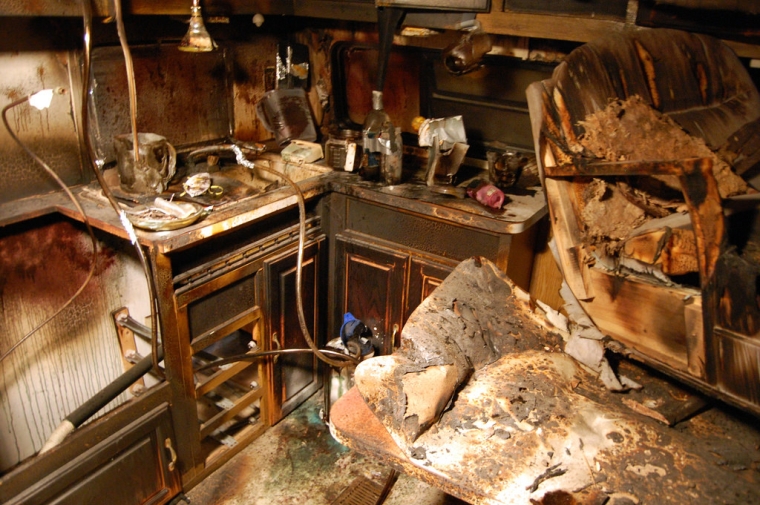
Insurance companies have been tweaking their policies to ensure New Zealand’s escalating meth problems don’t eat away at their businesses.
The question is, can property owners be confident they won’t be left in the lurch in the event of their tenants or home-invaders turning their properties into meth party venues, labs, or storage units?
New Zealand’s largest general insurer, IAG, has this month announced major changes to its policies, to be more prescriptive around what it will cover and what property owners need to do to ensure they qualify for cover.
It’s capped the amount of cover available for meth contamination at $30,000 - in line with other insurance companies - and raised its minimum excess on meth contamination claims to $2,500 - something other insurers haven't done.
While these changes have only just surfaced in its AMI policies, its personal underwriting manager, Ralph Hart, says IAG has largely been settling meth-related claims across all its brands and bank policies it underwrites (State, NZI, ASB, etc) to give its customers the best cover - even if this means referring to the new policy wording and not that of their existing policy.
Having done so since mid-last year, he says IAG has spent $14 million on meth contamination in the last year. It's received around 60 claims every month.
Yet IAG warns landlords should expect their annual premiums to increase by $40 to $130 a year to make up for some of these costs.
New Zealand’s second largest general insurer, Vero, last year made changes to its policies, likewise capping the amount of cover available for meth contamination and excluding cover from some of its policies. Tower and AA Insurance have followed suit.
So as insurers find a new equilibrium in the way they deal with a growing cost, how does their cover differ from one another? Here’s a summary to give you an idea:
| FIRE caused by meth | CONTAMINATION caused by meth | |||||
| Max cover | Max cover | Min excess | Cover for [some of] landlord's contents | Cover if contamination occurs where house is rented out | Cover if contamination occurs where owner occupies house | |
| IAG (AMI) | ||||||
| Landlord policies | Up to sum insured | $30,000 | $2,500 | Yes | <90 days: Cover for storage and manufacture, not consumption. >90 days: Cover for consumption, storage and manufacture, provided owner meets landlord obligations. |
Yes, provided damage isn't caused by homeowner or homeowner's family, or a trustee, director, shareholder, etc if home is owned by a trust or company. |
| Home policies | Up to sum insured provided damage isn't caused by homeowner or homeowner's family, or a trustee, director, shareholder, etc if home is owned by a trust or company. | No | ||||
| Vero | ||||||
| Landlord policies | Up to sum insured | Maxi: $30,000 Flexi: No |
Policy excess + $250 tenanted excess | Maxi: Yes Flexi: No |
Maxi: Cover for use, consumption, storage and manufacture, provided owner meets landlord obligations. Flexi: No |
IE Where landlord moves into rental property and doesn't change policy. |
| Home policies | Maxi: Up to sum insured Flexi: No |
Policy excess |
Maxi: Yes |
Maxi: Cover where owner shares home with a tenant, provided damage is caused by an unknown person who breaks into house when unattended but not unoccupied. |
Maxi: Yes provided damage is caused by an unknown person who breaks into house when unattended but not unoccupied. Flexi: No |
|
| AA Insurance | ||||||
| Landlord policy |
Replacement cover |
Optional $30,000 |
Policy excess | Optional | Optional cover for use, consumption, storage and manufacture, provided owner meets landlord obligations. | No |
| Home policies | Replacement cover provided damage is caused by an unknown person who breaks into house. | No | N/A | No | No | No |
| Tower | ||||||
| Landlord policy | Replacement cover | $30,000 | Policy excess | Yes | Cover for use, storage, manufacture or distribution provided owner meets landlord obligations. | No |
| Home policies | Replacement cover provided damage is caused by an unknown person who breaks into house. | No | N/A | No | No | No |
There are a few things worth noting:
- Not all of IAG's policies meet the criteria above. While IAG says it's applying the benefits of the above across all its policies, what's in your policy is what is legally binding at the end of the day.
- IAG also provides landlords' liability cover to protect homeowners from claims from others for cross contamination. For example an adjoining neighbour whose property has also been damaged by the contamination of your property.
- The landlord obligations you have to fulfil to receive cover may be more prescriptive than you think. AMI’s rental property insurance for example requires landlords/property managers to do “internal and external” inspections of the rental house at least every three months.
It also requires you to keep photographs “and” a written record of the outcomes of each inspection.
It goes on to say landlords have to send tenants “written notification” if their rent is two weeks late, “together with a personal visit to determine if the tenant remains in the residence”.
AMI’s policy also states landlords should take care choosing tenants, and keep a written record of the pre-tenancy checks done. They go so far as to say “when a reasonable landlord would consider it appropriate”, they should also check a prospective tenant’s credit and Tenancy Tribunal history.
- You will only be covered for meth damage if the contamination occurs during the period of insurance.
The Insurance and Financial Services Ombudsman didn’t uphold a complaint earlier this year from a landlord who had their meth damage claim declined partially because they couldn’t prove the contamination was done when the property was insured.
The landlord’s policy lapsed eight months before they discovered the contamination. They argued the contamination was caused when the property was insured, as a person living in the house at that time had been convicted for possessing and supplying meth. However this couldn’t be proven.
Furthermore, the Ombudsman supported the insurer in arguing the contamination wasn’t “sudden”, as the policy stipulated it needed to be to be covered.
Speaking to interest.co.nz in November, DLA Piper law firm partner Peter Leman warned home insurance policies now largely require losses to be both “sudden and accidental”.
- Under most home insurance policies, you generally shouldn’t expect to get cover for meth damage while you’re the main occupier of the property - even if a visitor, house-sitter, your kids, etc causes the damage.
- Your property won’t generally be covered for any loss if it is unoccupied. Vero defines “unoccupied” as no one sleeping over there for more than 60 days. Vero will however provide cover if you notify it the property will be unoccupied and it agrees to provide cover, and the house and garden is kept tidy, the property is locked, all papers and mail are collected weekly, and the house is “under weekly supervision”. If the property is a holiday home, you also have to meet these conditions for it to be covered.
- Insurance cover for meth is a dynamic space, so there are likely to be further changes throughout the industry. Make sure you check the wording of your policy when it comes up for renewal and watch the space.
We welcome your comments below. If you are not already registered, please register to comment
Remember we welcome robust, respectful and insightful debate. We don't welcome abusive or defamatory comments and will de-register those repeatedly making such comments. Our current comment policy is here.