
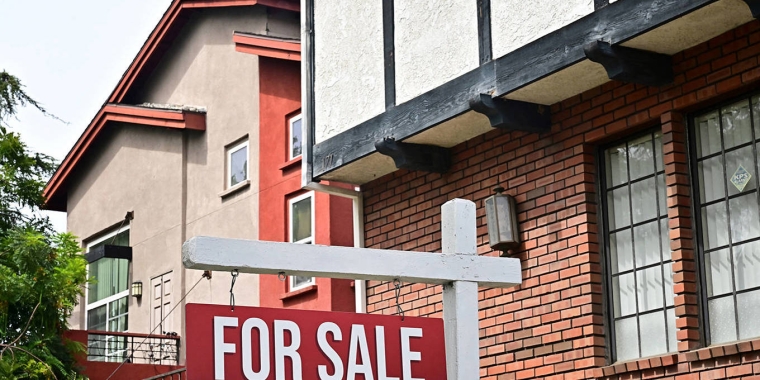

June brought mixed results for the residential real estate market, although activity remained subdued overall.
First the good news.
Sales in June were up 2% compared to June last year, although it was a difference of just 131 sales between the two months so there wasn't much in it.
More significantly, the number of dropouts in June was down 13% compared to June last year. Dropouts are the number of properties that have either been withdrawn from sale, or are technically still listed for sale but are no longer being actively marketed.
Interest.co.nz estimates there were 3300 dropouts in June this year compared to 3800 in June last year.
A decline in the number of dropouts sits well with anecdotal evidence suggesting more vendors are becoming realistic in their pricing expectations, although there are still plenty holding out for prices that are unlikely to be achieved.
More realistic vendors may also be a factor in the drop in selling prices in June, with the REINZ House Price Index falling 0.9% in June compared to May and dropping 2.4% over the three months to June, to end up down 0.8% compared to June last year.
However, a couple of figures suggest the market will remain difficult through the rest of winter.
The most important of these is the total amount of stock on the market, with property website Realestate.co.nz having almost 35,000 residential properties for sale at the end of June, up 7.3% compared to June last year.
There was an even bigger increase in the overhang of unsold properties.
The overhang is the number of properties that remain unsold after sitting on the market for more than a month. There were almost 27,000 of these in June, up 8.3% compared to June last year.
That was helped by a 2.6% increase in the number of new listings on Realestate.co.nz in June compared to a year earlier, suggesting there is no shortage of vendors wishing to sell.
So overall, the housing market pendulum may have swung even further in buyers' favour in June.
Looking at the wider picture, the Reserve Bank's latest Official Cash Rate increase has reinforced that we are in a rising interest rate environment, Trump's Middle East circus is once again putting pressure on fuel-related prices and there is no shortage of economic uncertainties as we head towards November's General Election, none of which is positive for the housing market.
The comment stream on this story is now closed.

We welcome your comments below. If you are not already registered, please register to comment
Remember we welcome robust, respectful and insightful debate. We don't welcome abusive or defamatory comments and will de-register those repeatedly making such comments. Our current comment policy is here.