
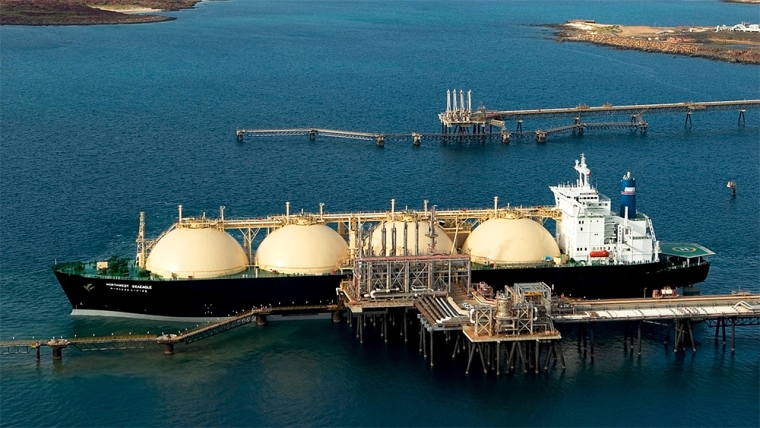
Parliament will pass a law to permit the construction of a commercial liquefied natural gas (LNG) terminal that will provide a flexible fuel supply for shortages in dry years.
It is part of a raft of reforms responding to high wholesale electricity prices which have forced some businesses to shutter their operations. A shortage of natural gas and low water levels in hydro dams have driven the spike in power prices.
Imported LNG was estimated by officials to cost between $17 and $24 per gigajoule. Gas traded at an average price of $55.27 last Wednesday, an all-time high.
These imports would support flexible generation of electricity but would be unlikely to replace the need for a domestic gas supply, a government fact sheet said.
Energy Minister Simeon Brown said the import capacity must be ready by winter 2026, and the gas sector industry body was helping coordinate its construction.
This will be a complicated agreement involving multiple parties. Likely, a gas company will assume the commercial risk of building the import terminal, supported by long-term supply agreements with electricity generators.
Interest.co.nz understands discussions are advancing, but no decisions have been made about the terminal's location or the exact nature of the deal.
Once ready for construction, the terminal is expected to receive direct consent from Parliament, bypassing the usual local government consent process. This power was last used for building Wellington’s war memorial in the 1930s.
Brown said no subsidies would be provided to help fund the terminal, but the Government would explore ways to insure the terminal against future gas bans.
He attributed the limited supply of domestic gas to the Labour Party’s 2018 ban on new exploration, though much of the immediate shortage stems from existing fields producing less gas than anticipated.
The National-led Government promised to reverse the ban on offshore oil and gas exploration before the end of the year, but it would take years for any new supply to come online.
Brown also announced several actions aimed at bolstering energy security.
Restrictions on electricity lines companies owning generation will be relaxed later this year, potentially enabling more investment in new electricity plants.
Regulatory restrictions on the amount of lake water hydro dams can use to generate electricity will be reviewed. Any necessary changes are to be made before next winter.
Finally, the Government will review the electricity market's performance to ensure it delivers reliable electricity at the lowest cost while remaining efficiency and competition. Details of this review will be finalised in the coming weeks.
Brown also said he was seeking advice on how to fill upcoming vacancies at the Electricity Authority to ensure the regulator has the “appropriate mix of skills” to address current circumstances.
We welcome your comments below. If you are not already registered, please register to comment
Remember we welcome robust, respectful and insightful debate. We don't welcome abusive or defamatory comments and will de-register those repeatedly making such comments. Our current comment policy is here.