
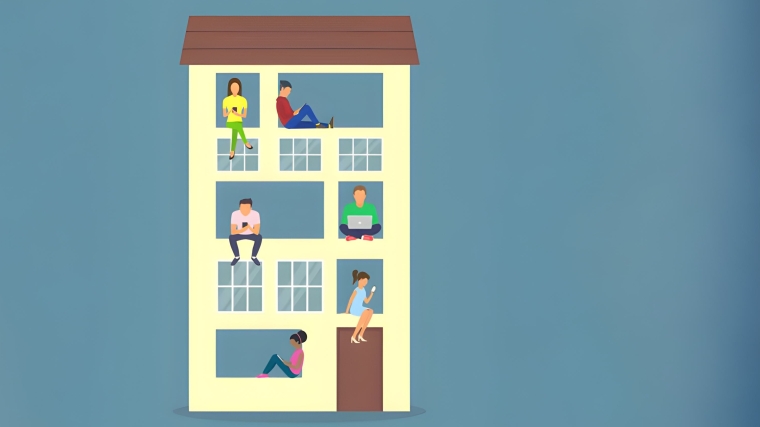
For the second Census in a row there's been a measurable increase in the rate of overcrowding in New Zealand houses.
Statistics NZ has released more new information from the 2023 Census. And according to Stats NZ there's more than 100,000 households that fit its definition of overcrowded.
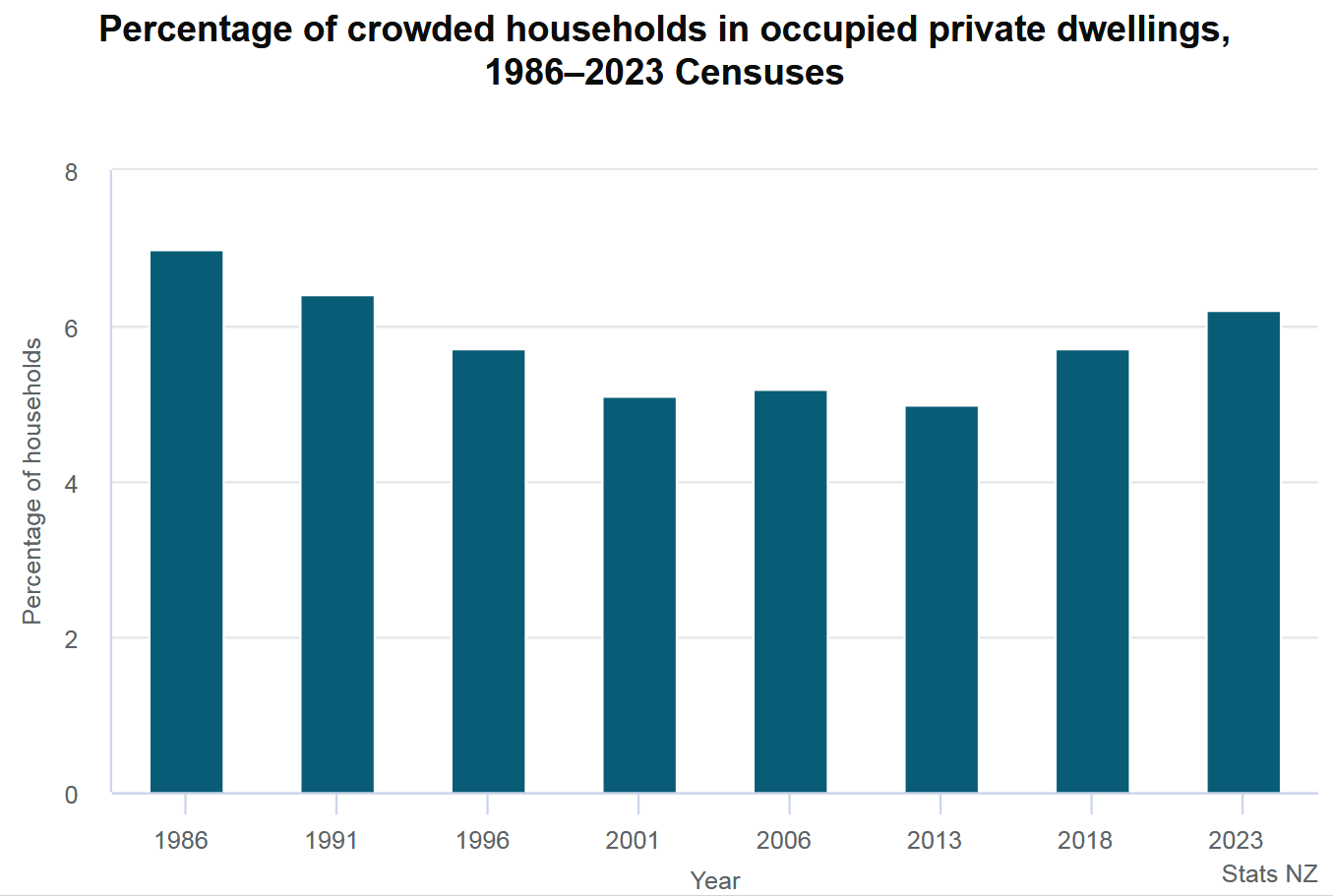
Stats NZ says around one-in-16 households experienced crowded living conditions in 2023, which is up from around one-in-17 in the 2018 census and just one-in-20 in 2013.
Crowding occurs when a dwelling is too small for the number of people living in the household, Stats NZ says. It can be measured in different ways, such as the number of people per room or bedroom. It says its definition is based on the Canadian National Occupancy Standard (CNOS) and provides a derived index of whether a household is crowded or not crowded, based on the number of bedrooms needed for the typology of the household and the number of bedrooms in the dwelling. (A more full explanation is given at bottom of the article, taken from this Stats NZ data info page)
"Stats NZ has measured crowding since the 1980s. We calculate the number of bedrooms needed based on the demographic composition of the household. This informs the household crowding index which provides insight into how we live in our homes – whether we have spare bedrooms or need more bedrooms, Stats NZ said.
Crowding was in fact worse in this country in the 1980s, but then improved through the 1990s. However, recently it has worsened. And the most recent rise in crowding has come despite high levels of construction of new houses around the country.
Stats NZ principal analyst Rosemary Goodyear says crowding is "a complex topic" and isn’t just about large households.
"For example, we know that people in crowded households may struggle to find suitable and affordable housing that meets their needs."
Goodyear said an increase in household crowding "is concerning" as crowding can affect physical health, and is a risk factor for infectious disease.
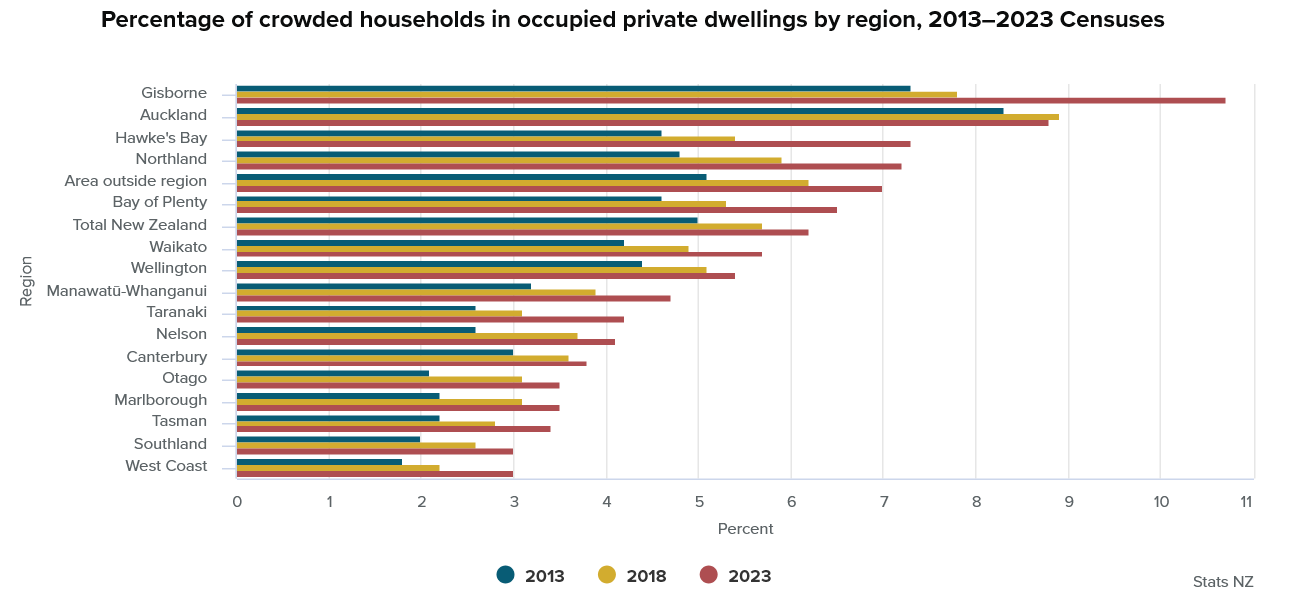
Around the country, the only region that didn't see an increase in household crowding between the 2018 and 2023 censuses was Auckland - but it already had amongst the most overcrowded conditions anyway.
In 2023, Gisborne had the highest proportion of crowded households in a region at 10.7%, followed by Auckland at 8.8%.
Although Auckland region had the second highest crowding rate, within Auckland there were very high rates of crowding in some local board areas, Stats NZ said.
The highest rates were in South Auckland where around a quarter of households in Māngere-Ōtāhuhu and Ōtara-Papatoetoe experienced crowding.
Stats NZ gives this detailed explanation of household crowding:
Household crowding is determined by comparing the number of bedrooms a household needs, and the number of bedrooms available in the dwelling. The number of bedrooms needed is assessed based on the demographic composition of the household, and is calculated using the following rules:
- there should be no more than two persons per bedroom
- children aged less than five years may reasonably share a bedroom, irrespective of their gender (male, female, another)
- children aged 5 to 17 years may reasonably share a bedroom only with the same gender (male only with another male, female only with female, and people of another gender only with someone else of another gender)
- single adults 18 years and over and any additional children require a separate bedroom
- household members 18 years or over should have a separate bedroom, as should parents or couples.
We welcome your comments below. If you are not already registered, please register to comment
Remember we welcome robust, respectful and insightful debate. We don't welcome abusive or defamatory comments and will de-register those repeatedly making such comments. Our current comment policy is here.