
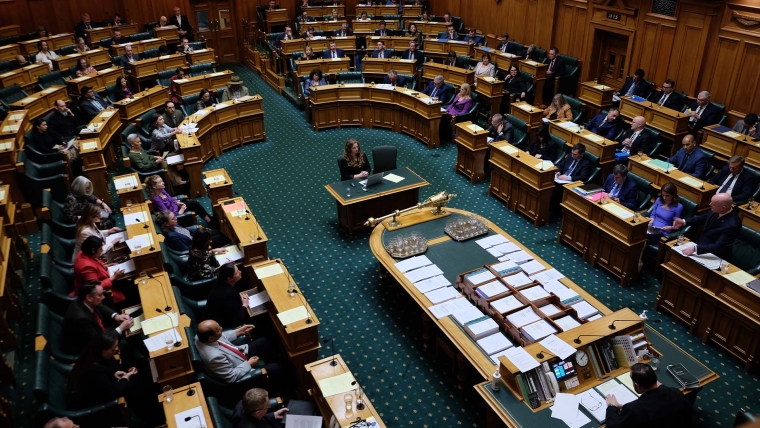
There’s been a lot of talk of the overhang this election.
Breaking it down so your eyes don’t glaze over, here’s the basics:
What is it?
You know how you get a party vote and an electorate vote? In some cases, where an MP wins an electorate, but the votes for their party support is proportionally lower, it causes an overhang.
The overhang is when additional seats are added to Parliament's 120 to accommodate extra MPs due to the difference between electorate and party vote results. Those extra MPs come when a political party wins more electorates than the party vote gives it. In some cases, a party could win, for example, 10 seats, but its support vote only gives it seven seats - those three extra would be overhang seats.
An overhang doesn't change the amount of seats other parties receive. Parties need a majority in Parliament to take power, so additional seats can change the make up.
In the 2005, 2011 and 2014 parliaments each had one overhang seat, and in 2008 there were two extra. This Parliament in 2023 has three overhang seats giving a total of 123.
Why is it a big deal this election cycle?
For it:
On the left, you’ve got Te Pāti Māori running a candidate-vote strategy by selecting just one list candidate outside its seven Māori electorate candidates.
“Candidate vote Te Pāti Māori. Party vote Green or Labour, you choose,” it said in a statement.
Co-leader Rawiri Waititi said their strategy was “more Māori in Parliament, a one-term government, and an independent Māori voice that is accountable to our people.”
On the right, Zuru’s Nick Mowbray, a major donor to National and ACT, suggested a National electorate vote and an ACT or NZ First party vote “for voters who want to keep the current National–ACT–NZ First Government and maximise its chances of governing again."
“If National wins more electorate seats than its party-vote entitlement, it keeps those seats, creating an overhang”, he wrote on X. His father Harry Mowbray has also launched a 'split your vote' website, saying if people split their vote "correctly the make-up of parliament will change and a centre-right coalition will govern the country for the foreseeable future."
Former National and ACT leader Don Brash wrote in a Herald opinion piece: "So, for centre-right voters, intelligent vote-splitting can save the day. By team effort, the coalition can survive."
The Post reported an ACT spokesperson said a recent advert featuring candidate Paul Henry was not encouraging vote splitting.
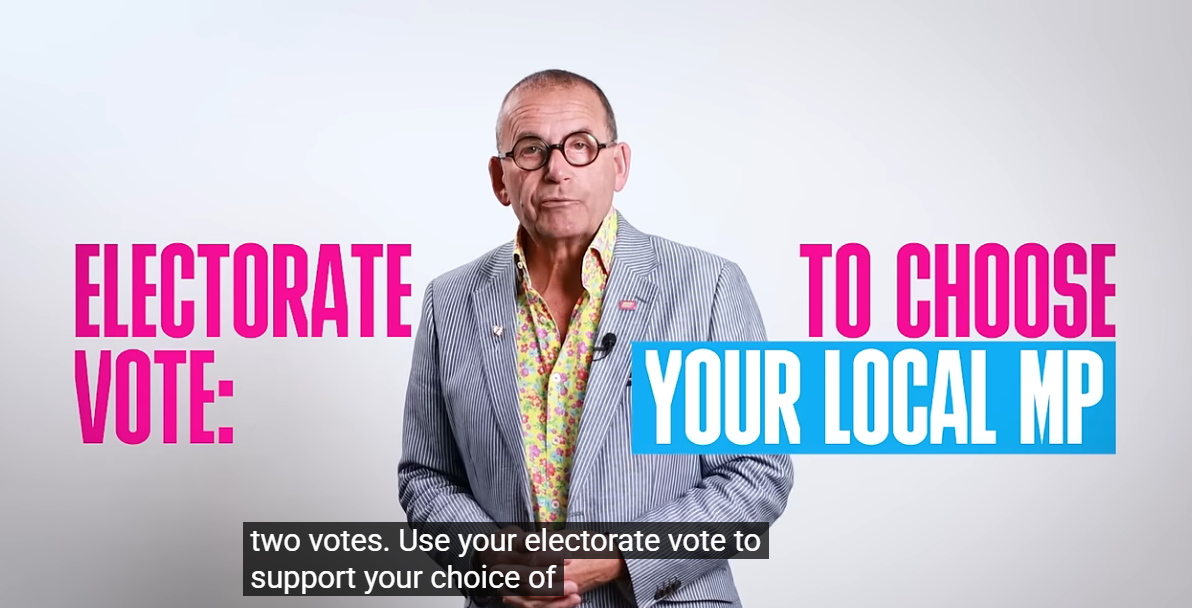
"You have two votes, use your electorate vote to support your choice of local representative (YOUR LOCAL MP, with a blue background), but party vote ACT to reelect the coalition... " Henry says.
Against it:
At the National Party campaign launch, former Prime Minister John Key pushed voters in the opposite direction.
"Don't try and do something that you think is clever, or try some form of so-called strategic voting, like giving your electorate vote to National but your party vote to someone else," Key said.
"That is the opposite of clever. It means some of National's most talented ministers would be replaced by someone you have never heard of from a minor party."
And during Tuesday evening's Stuff debate, both Labour leader Chris Hipkins and National leader Christopher Luxon agreed that considered exploiting an MMP overhang in Parliament was cheating.
On this, ACT leader David Seymour said, "I think people have forgotten that the two votes belong to the voters, and they do two different jobs, and you should choose how you use them," Seymour said.
Where does this leave things?
At the end of the day, your vote is between you and the ballot box. It's your vote and no one else's.
We welcome your comments below. If you are not already registered, please register to comment
Remember we welcome robust, respectful and insightful debate. We don't welcome abusive or defamatory comments and will de-register those repeatedly making such comments. Our current comment policy is here.