
New Zealand has a problem with externalities, actually it’s almost the whole globe, but it is here where our concerns and responsibilities lie. It ranges from tourism (our biggest export earner pre-covid-19, remember?) to dairying, to energy production right through to the driving habits of the population.
However, by far and away the greatest scrutiny seems to be on the dairy industry.
The latest focus on the impact on New Zealand fresh water resources came in a publication by Radio New Zealand.(RNZ). What motivated RNZ to go down this route when so many have gone down before was unclear. The only reason shown as motivation was a report from 2017 from the OECD which was highlighted. The industry certainly has created problems. I don’t think anyone in authority has denied that. And, while the dairy industry responds to the criticisms it must be getting sick of having to and the public are probably now only hearing white noise emanating from both sides of the argument. (Which I’m about to add too).
One thing the dairy industry seems not to be doing is putting out a comprehensive compilation of the gains that are now being made alongside of the issues that exist. It is this inclusion of progress made that was lacking (in my view) in the RNZ article which made it appear to be lacking balance.
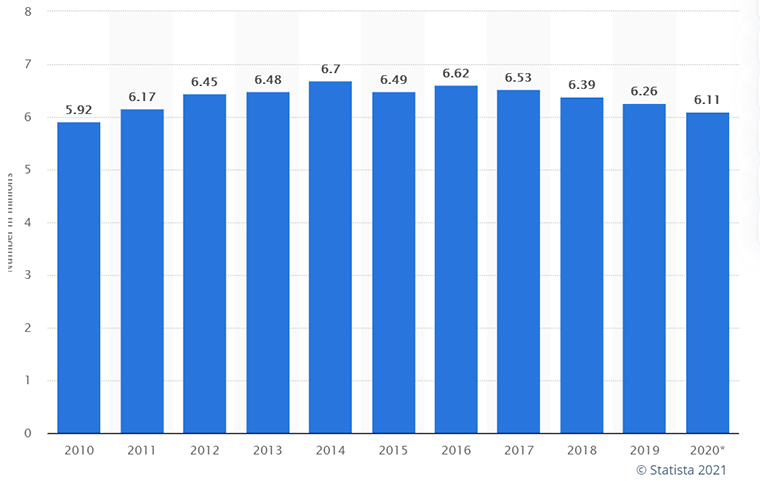
Cow numbers are reducing and while still greater than what they were 30 years ago and considerably so, they are reducing and by a quite a margin.
An approximate reduction of 600,000 cows in the last 6 years is not to be sneezed at. Taking a snapshot look at the Bay of Plenty and Northland, two areas where horticulture is on the rise. From the 2017/18 year to the 2019/20 year in both cases cow numbers have decreased by -5%, about 20% more than the national average. If the drop is being driven by land use change, which I suspect, we will see more regions shift from dairying to horticulture or other more intensive land uses.
Since 2013 with DairyNZ's Sustainable Dairying: Water Accord approximately 25,000 kilometres of waterways have been fenced off. The amount fenced off was over 98% in 2018 so must be approaching 100% of waterways over 1m in width by now.
Since 2020 there must be at least 3metres either side of the waterways included in the riparian area, not an inconsiderable amount of land and expense both in fencing and riparian planting. Obviously, this is only one source of dairy land runoff with leaching of nitrogen through the soil being a major issue still. As of July 1st, 2021, farmers are restricted in the amount of nitrogen fertiliser that can be applied to the land to 190kgsN per year. For Canterbury who have average around 230kgs in the past this is a 17% reduction.
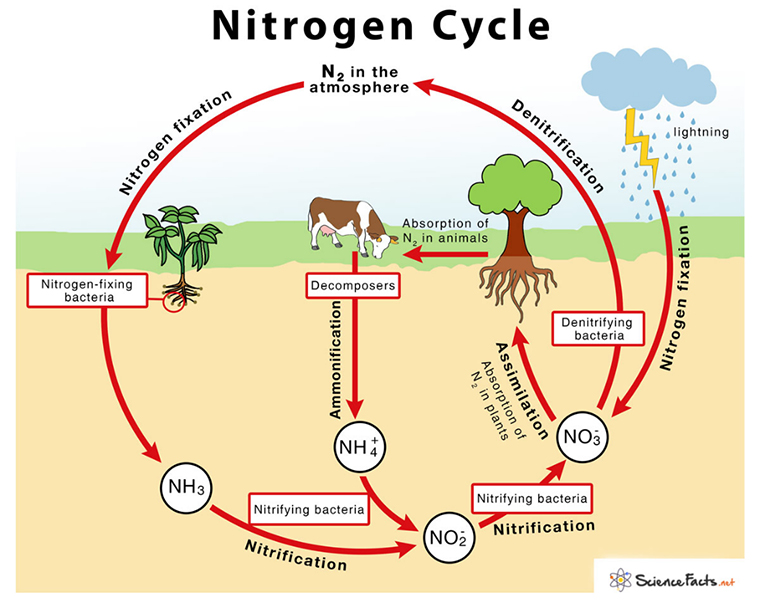
Is it enough? perhaps not but progress is being made and many farmers were applying up to and over 300kgs annually. The total amount of nitrate-nitrogen leached from livestock has increased from 189,000 tonnes nationwide in 1990 to 199,000 tonnes in 2017. This is a +5% increase. Within New Zealand some areas, Canterbury in particular the issue is greater than in some other parts. However, these areas are also applying higher levels of restrictions on farmers to restrict leaching. In some areas they must reduce their nitrogen loss by -15% by 2025, -25% by 2030 and -36% by 2035. In others they must reduce their nitrogen loss by -30% by 2022. It is worth mentioning that nowhere near “100 percent of the cows' urine and feces (sic), as well as the excess chemicals from fertiliser for their feed leaching into waterways.” as quoted from the RNZ article end up in the waterways. Through a mix of different plant species, better targeting of irrigation, grazing off techniques and reduced cow numbers farmers now are able to enable cow urine to be better utilised by plants and added to nitrogen cycle. Post intensive winter grazing farmers are required to replant as soon as practicable (October 1st) to help capture surplus nutrients and prevent undue runoff. Too much nitrogen still leaches through the system but with intensive areas limited to 50 ha or 10% of the farm (which ever is the greater) the impact will be reduced.
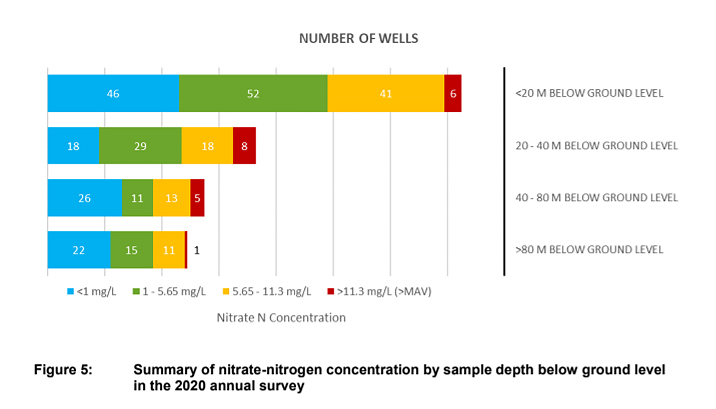
As can be seen from the map below from ECans annual water quality survey when the focus is on nitrogen content the number of wells which have decreasing water quality are too many. Taking the trends from the report showed:
“From the 2011 to 2020 annual surveys we found:
- 251 of the 322 wells sampled in 2020 had enough data to analyse trends (at least 8 samples each from the last ten years)
- 78 wells (31%) showed ‘very likely increasing’ trends in nitrate-nitrogen concentrations
- 40 wells (16%) showed ‘likely increasing’ trends in nitrate-nitrogen concentrations
- 37 wells (15%) showed ‘likely decreasing’ trends in nitrate-nitrogen concentrations
- 26 wells (10%) showed ‘very likely decreasing’ nitrate-nitrogen concentration trends
- 70 wells (28%) had no decreasing or increasing trend in nitrate-nitrogen concentrations.”
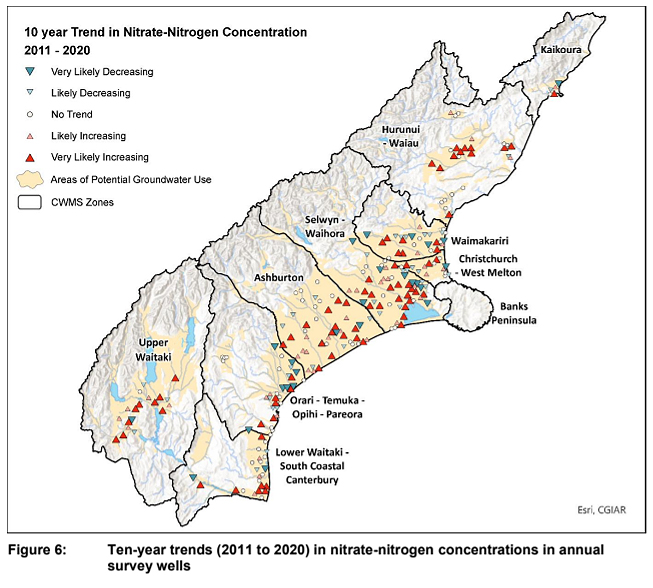
Source: ECan
To summarise, 47% has decreasing quality, while 25% were improving. The balance (28%) showed no trend. The 47% is concerning but not surprising when it is considered that it may take up to 30 years (in Canterbury soils) for the N to arrive in the aquifers. That 25% are showing improvement is promising. As can be seen below the deeper the wells go the better the water quality trends with
- Shallow wells 32%
- 20-40 metres 25%
- 40- 80 metres 55%
- 80metres +45%
having less than 1mg/L
Like what you read? Support our journalists. Find out how.
What this all means at the national level is shown below. A similar picture to what is taking place in Canterbury wells. Some good, some not, and plenty of room for improvement.
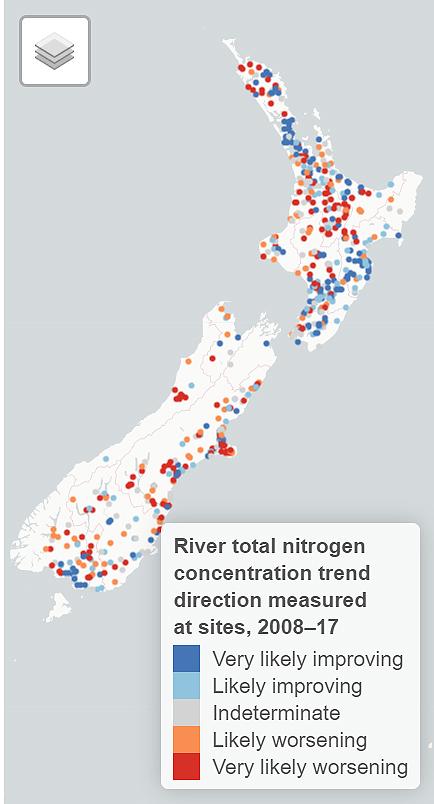
Source: Stats NZ
Twenty or more years ago scenes like below were common place with effluent coming from dairy farms and piggeries alike.
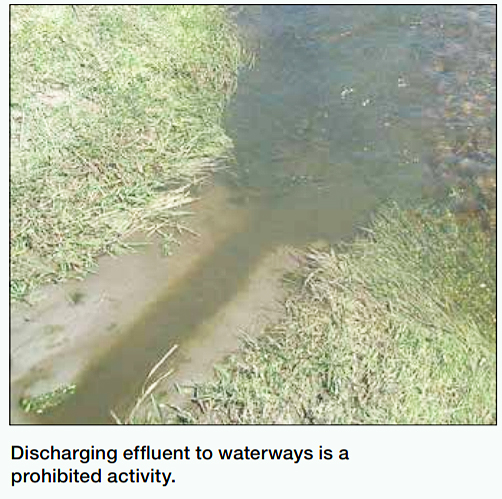
Source ORC
Farm effluent disposal is now highly regulated and seen as a resource rather than something to be ‘poured down the drain’.
Fish and Game New Zealand are a regular critic of New Zealand dairy and obviously have an interest in keeping our waterways in clean condition. On their web site regarding dairy farming they highlight: Section 17 of the Resource Management Act 1991 states that: 'Every person has a duty to avoid, remedy or mitigate any adverse effect on the environment arising from an activity carried on by or on behalf of that person’ . This is (was) at the core of the RMA. However F&GNZ, I have always felt, are in the ‘pot calling kettle black’ category. I have heard trout being called the “rats of the waterways”. A bit harsh perhaps but does allude to the externalities that they have with impacts on our native fisheries.
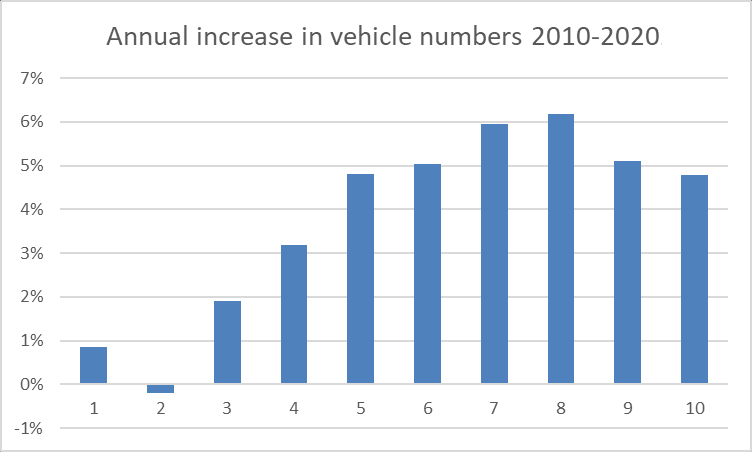
To summarise, dairy farming has created problems, as has almost all forms of farming but they are facing up to them. Some might say too little too late but compared to some areas of change the industry is operating at speed. The general public’s (including farmers et al) love affair with cars etc is a case in point. Car numbers continue to increase, and it could be argued that threats from climate are far greater than rapid conversion of water ways to higher quality.
We welcome your comments below. If you are not already registered, please register to comment
Remember we welcome robust, respectful and insightful debate. We don't welcome abusive or defamatory comments and will de-register those repeatedly making such comments. Our current comment policy is here.