
Properly, big policy change like we are seeing around emissions pricing should be led by science and not led by politics.
Politicians come and go, governments change, but what should stand the test of time and provide certainty for New Zealand’s primary sector is good policy that is science-led and equitable.
Dairy NZ Beef +Lamb and Federated Farmers have agreed and submitted their recommendations on the government’s plans to price agricultural emissions, they are based on 9 key principles.
- The methane price should be set at the minimum level needed and be fixed for an initial five-year period to give farmers certainty.
- The future price should be set by the Minister on the advice of an independent oversight board appointed by all HWEN partners.
- All sequestration that can be measured and is additional should be counted. Industry stands by what is proposed by the HWEN partnership on sequestration..
- Any levy revenue must be ringfenced and only used for the administration of the system, investment in R&D, or go back to farmers as incentives. Administration costs must be minimised.
- Farmers should be able to form collectives to measure, manage, and report their emissions in an efficient way.
- The system must incentivise farmers to uptake technology and adopt good farming practices that will reduce global emissions.
- Farmers who don’t have access to mitigations or sequestration should be able to apply for temporary levy relief if the viability of their business is threatened.
- We will not accept emissions leakage. The way to prevent that happening is by getting the targets, price, sequestration, incentives, and other settings right.
- The current methane targets are wrong and need to be reviewed. Any target should be science-based, not political, and look to prevent additional warming.
You can head to any of the industry bodies websites to have more detailed read of their position and submission on emissions pricing.
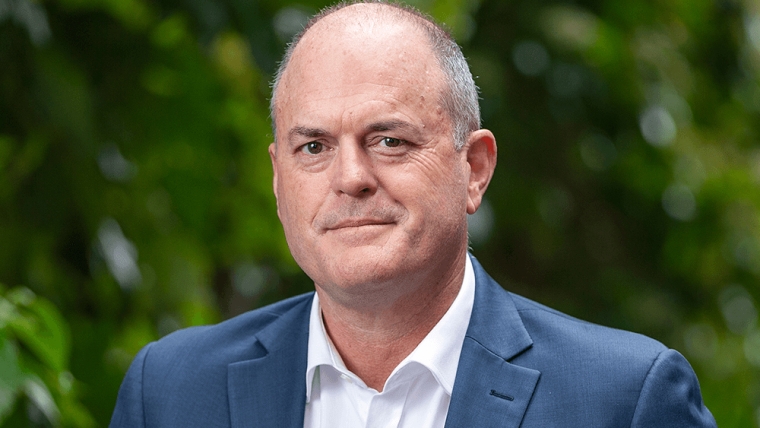
Last week Agriculture Minister Damien O’Connor joined me to discuss some of these issues. But what does National think? Todd Muller, their spokesperson for Agriculture policy joined me this week for a conversation on their views.
I asked Muller what he thought about the Government's current position on He Waka Eke Noa:
“Well, we've been very critical of it, I can't really understand what they're thinking frankly, you have the sector, round a table, in support often by government officials to work through how the He Waka Eke Noa proposal could work right. Clearly putting agriculture over into the ETS doesn't work. We've been strongly opposed to that since day one.
"But another model which is perhaps you know, levy based, that assists in the building of you the capacity for farmers to measure on farm and then obviously investment and innovation of tools to be able to do something about it that makes sense.
"And clearly part of that balance needs to be that if you can demonstrate you've got you know, coverage, plant trees you name it that can sequester carbon, and you can demonstrate that then you should be able to count it, that should be a point of principle, and the fact that the government has rejected that, thrown it back really into the industry's face. I just wonder what went on around the Cabinet table, because one assumes O'Connor got the importance of that”
Whatever you think about emissions pricing for farmers it is coming one way or another, there is no escaping it in some shape or form.
Listen to the podcast to hear the full story
Angus Kebbell is the Producer at Tailwind Media. You can contact him here.
We welcome your comments below. If you are not already registered, please register to comment
Remember we welcome robust, respectful and insightful debate. We don't welcome abusive or defamatory comments and will de-register those repeatedly making such comments. Our current comment policy is here.