
Wendy Sullivan works for New Zealand Landcare Trust, primarily as the Marlborough catchments coordinator and has been integral in the Farming With Native Biodiversity program.
She has a diverse area to work in with a mix of sheep and beef farmers, dairy farmers and of course vineyards, and the forestry industry. She supports farmers and growers and with their environmental projects. That can be anything from running workshops, organising working-bees, facilitating community meetings, or helping with all the “dreaded paperwork that people end up having to do now. So I see myself as a connector, I connect people with, hopefully the support they need to get on with their environmental actions.”
When it comes to riparian planting or getting started with improvements in in biodiversity it is something that can seem somewhat overwhelming and indeed expensive.
“I'm not going to lie, it can be really expensive, so actions like fencing, or setting up a trapping regime does cost money and it takes time out of core work to do it. It is considerably cheaper to enhance biodiversity that you've already got, than to start from scratch.”
“So if you're in a lucky enough position to already have some kind of biodiversity on farm then just by fencing it off for a start is the first step. So I recommend that landowners start with a clear plan with your desired outcomes in mind because what you want to achieve will dictate how you go about achieving that and what your actions will be and then break it down into and manageable steps that you can do over time. And there's no harm and looking at a 5,10, or 20 year plan, you don't have to do everything in the first year. And then it's just a matter of picking off those actions as time and resources allow.”
“And remember that each action in itself will have further action, so if you're planting, after you've planted your plant for the next probably two years, you need to spend time and making sure that it's not being choked by weeds, and it's got its plant guard up and all the rest of it. So it might be better to stagger planting every three years for example, so that you don't get overwhelmed. And it's really important that landowners feel comfortable and reaching out for help. In my experiences, once agencies and organizations learn of potential biodiversity projects, people are more than willing to help whether it be with assisting with working bees or providing free technical advice or helping us with funding applications. People love supporting proactive people. So don't be shy and sharing your vision.”
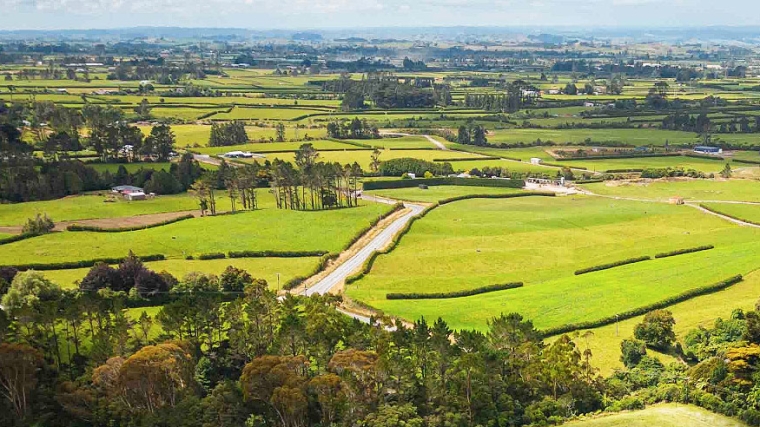
Currently, 50% New Zealand’s land cover is pastoral farming, and pastoral land contains one quarter of all remaining native vegetation.
The project aims to make it much easier for farmers to integrate existing native biodiversity into their farming systems and protect and enhance the biodiversity already existing on their land. The NZ Landcare Trust led this project with support from Living Water, Silver Fern Farms, and the BioHeritage National Science Challenge/Ngā Koiora Tuku Iho. The Sustainable Food and Fibre Futures fund (SFF Futures), administered by the Ministry for Primary Industries, contributed 70 percent of the $1.4 million funding.
The Farming With Native Biodiversity project evolved from Farming and Nature Conservation; a research project supported by the NZ Biological Heritage National Science Challenge. It was also known from the biodiversity assessments on-farm pilot carried out by Living Water on Fonterra farms that the biggest barriers to farmers taking action were limited access to good advice and ecological expertise, as well as the cost of preparing farm biodiversity plans. Building on this information, the project aimed to have expertise and resources easily accessible to farmers and their advisors by the end of 2023.
NZ Landcare Trust is really like a Camp Mum when considering catchment groups, they are pioneers in this space, and I will be talking to more with them.
Have a listen to the podcast to hear the full story.
Angus Kebbell is the Producer at Tailwind Media. You can contact him here.
We welcome your comments below. If you are not already registered, please register to comment
Remember we welcome robust, respectful and insightful debate. We don't welcome abusive or defamatory comments and will de-register those repeatedly making such comments. Our current comment policy is here.