
The developing strong El Niño is expected to intensify further, and is currently grabbing the attention of academics, economists, and public policymakers. Their problem is that the data points to an upcoming temperature crisis that will result in finger-pointing by those who demand public protection when it happens, and these are often the same people who are willfully blind to the upcoming risks.
Being prepared will get you branded as 'woke' by the currently blind. But it isn't a political issue, it is a physical risk.
Those watching know we must prepare. Those listening will want to know what is coming and how to prepare.
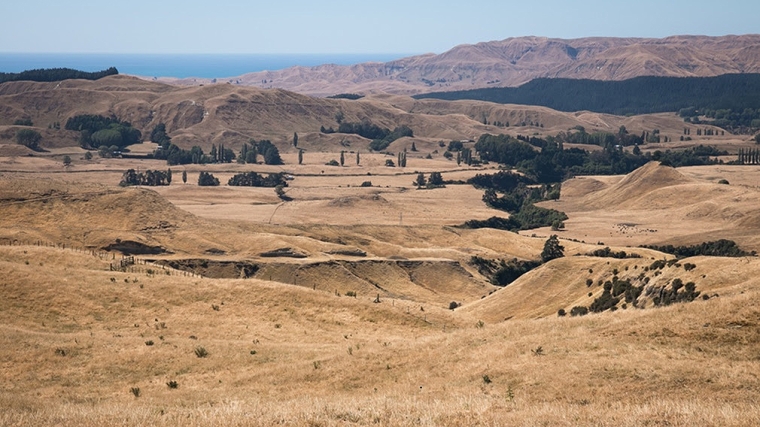
It is a particular issue for the New Zealand rural community - even as the 2026 election is driving to the fore voices in the rural community who remain willfully blind.
The key risk areas are eastern regions of both islands and the upper North Island. But most other areas will be affected in some way.
The risk is for reduced pasture growth, lower production, higher costs and disruptive processing patterns. Past severe droughts have subtracted as much as 1 percentage point from GDP growth according to Westpac.
Greater irrigation coverage, stronger drought preparedness and favourable starting soil moisture conditions mean that the agricultural sector is better placed than it was going into the last El Niño-led drought in 1997-98. Despite this, the impact will still be severe so preparation now is essential.
How to prepare
Livestock farmers should secure supplementary feed reserves immediately, evaluating silage, hay, and forage crops well before regional deficits emerge.
For horticulturists and arable croppers, selecting heat-tolerant cultivar varieties, utilizing organic mulches to conserve soil moisture, and altering planting schedules will be vital to buffer crops against rapid heat accumulation.
Producers need to use seasonal predictability to make early decisions rather than reacting to pasture burnout.
Pastoral farmers should consider flexible stocking strategies, such as early weaning or selling store stock to reduce demand on pastures ahead of peak heat.
In viticulture and horticulture, active canopy management will be essential to protect fruit from sunburn while maximising airflow to mitigate fungal diseases brought on by unexpected humidity and rain.
All primary producers should review cash flow forecasts to ensure they carry a financial buffer for rising input costs, such as supplementary feed, irrigation energy, or emergency disease control. Building operational flexibility now ensures that whether the immediate threat is a flash flood or a prolonged heatwave, the business remains resilient.
Steps to take for livestock farm managers
Pastoral managers face the immediate challenge of managing animal welfare and feed deficits under rapid climate shifts. Operations must transition to highly dynamic grazing strategies to preserve pasture cover.
• Implement de-stocking triggers:
Establish strict, date-driven timelines for early weaning and the sale of store stock. Reducing capital livestock numbers early protects core breeding stock and prevents overgrazing as pastures dry out.
• Upgrade water reticulation:
Inspect and upgrade stock water systems to handle peak summer demand. Ensure pump capacities, pipe diameters, and trough flows can withstand consecutive days of extreme heat.
• Manage heat stress:
Identify paddocks with natural shade and alter grazing rotations so livestock have access to shelter during peak solar radiation. Shift intensive shifting or milking times to the cooler early morning hours.
• Execute feed budgeting:
Calculate a rolling 60-day feed budget. Map out the strategic application of nitrogen fertilisers immediately following rainfall events to maximize late-season surplus before summer heat restricts growth.
Steps to take for horticulture farm managers
Horticultural producers must defend fruit and vine crops against intense heat while managing the disease risks brought on by unseasonal humidity and rainfall.
Optimise irrigation scheduling by ...
• Precision Irrigation, soil moisture probes and automated weather stations:
Apply water during night or early morning hours to minimise evaporative loss and ensure deep root penetration
• Canopy Management:
Apply sunburn protection: Utilise overhead cooling systems or spray protectants, such as kaolin clay, on vulnerable fruit crops. This reduces skin temperature and prevents widespread reject rates at harvest.
Adjust or modify summer pruning to maintain adequate leaf cover over fruit zones, preventing direct sun exposure.
• Disease and pest management:
Ensure enough canopy airflow to quickly dry leaves after unexpected rain, reducing the risk of powdery mildew and botrytis Increase the frequency of orchard and vineyard monitoring. The combination of warm temperatures and intermittent moisture creates ideal breeding conditions for insect pests and fungal spores.
Why you should do this now
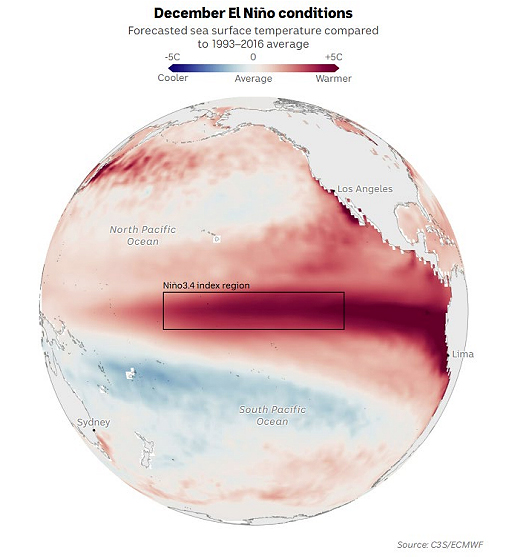
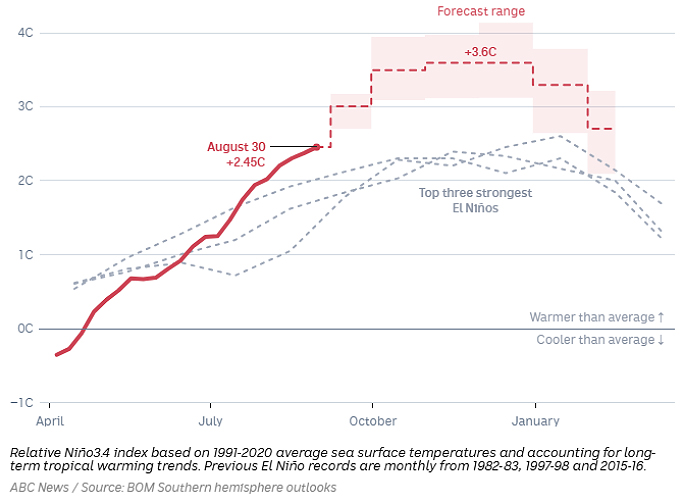
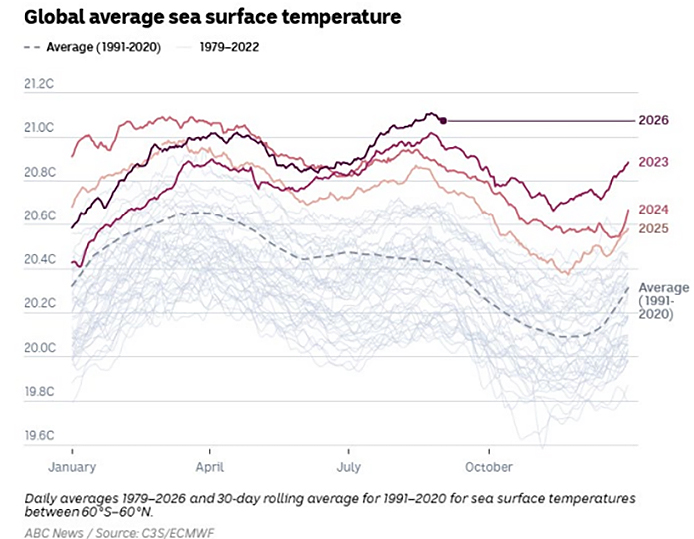
What is coming will be the fastest developing El Niño on record. Globally, the hottest years on record typically follow an El Niño event, as a lot of the heat in the ocean gets released into the atmosphere. In the 50 years the World Meteorological Organisation has been in existence, they have never seen an El Niño develop like this one. The worst impacts won't be in New Zealand but they will be strong here all the same.
These three charts tell the global story, one off the back of an unusually hot northern summer.
If events turn out worse for you than expected, that just means you didn't prepare properly or take the risks seriously enough - a failure of imagination. The signs and signals are all out there now.
We welcome your comments below. If you are not already registered, please register to comment
Remember we welcome robust, respectful and insightful debate. We don't welcome abusive or defamatory comments and will de-register those repeatedly making such comments. Our current comment policy is here.