
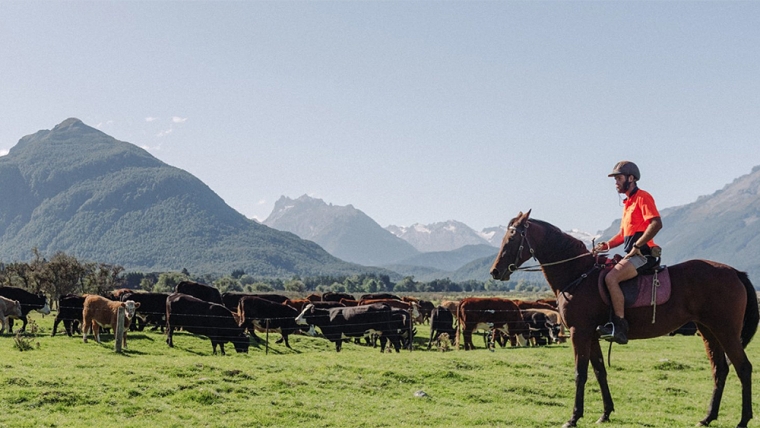
When Ngāi Tahu Farming takes over the DOC concession for the management of Molesworth Station, New Zealand’s largest farm, it will add 180,000 hectares to the farming business, more than doubling the land the Iwi currently owns and leases.
The expectation is that this will increase both the revenue and profitability of farming within the overall portfolio, although the latter may be challenging in the short term as Molesworth is integrated into the farming operation.
In response to my question about changes envisaged to Molesworth’s farming operation, Ngāi Tahu said it is too early in the process of negotiating the concession with DOC to speculate on operating decisions. In the meantime the immediate priority is to understand DOC’s expectations and management objectives for the station. However weed management and pest control are two obvious areas of importance.
The 2025 annual report shows farming and forestry make up 22% of the asset base of Ngāi Tahu Holdings which farming operations alone constitutes 16%, ranking third in importance after Ngāi Tahu Property Investments and Development (39.7%) and Ngāi Tahu Investments (26.6%). Seafood and Tourism make up the balance of the portfolio.
Over the past five years the net operating surplus of the whole business has increased by 70%, while the equity value has fluctuated according to market conditions and changes to accounting standards. 2025 was an impressive year across all business units, with farming bouncing back from a loss in 2024 to post a record profit of $39.2 million and 12% return on assets.
This result was aided by a strong dairy performance, producing 4.235 million kilos of milk solids from a 4% production increase per cow. Returns from red meat improved, although dry weather at Balmoral Station combined with irrigation restrictions for the second year in a row caused some challenges.
Because of the increased level of interest following DOC’s decision to grant the Molesworth concession, I asked Ngāi Tahu several questions about their farming philosophy, the importance of farming as part of the portfolio and its performance to which I received some constructive and informative answers.
Ngāi Tahu has been invested in farming since the years following its 1998 Treaty settlement. Farming has become an increasingly significant part of the commercial portfolio over the past two decades, with Ngāi Tahu Farming established as a dedicated business in 2015.
Today, Ngāi Tahu Farming manages around 100,000 hectares of farming and forestry land across the South Island. The farms continue to deliver strong productivity and production outcomes while integrating technology and farm management practices that enhance environmental performance and create long-term value for both the land and the iwi.
The farms are performing well against similar benchmarks, especially considering the soils and location.
The success of the environmental performance is reflected in the recognition received for the environmental management approach, including consistently achieving A-grade Farm Environment Plan audit results across the operations.
In response to my question about Ngāi Tahu Farming's philosophy and whether it differs from other corporate and family-owned farming operations, they replied “Our philosophy is not necessarily different from other operations. There are a number of high-performing corporate and family-owned farming businesses that share our commitment to environmental stewardship and sustainable land management.
“Our farming philosophy is grounded in whakapapa (ancestry and links to the natural world) and kaitiakitanga (guardianship, stewardship and protection). We recognise a responsibility to care for the whenua under our management, regardless of whether it is owned or leased. We take a long-term, intergenerational approach that balances commercial performance with environmental stewardship.”
Decision-making is guided by Ngāi Tahu values, including manaakitanga (respect, generosity and care for others), kaitiakitanga, and tohungatanga (expertise and proficiency).
Investment focuses on innovation, technology and environmental management practices that support both farm productivity and the long-term health of the land with the goal of building resilient, high-performing farming businesses while improving the condition of the land over the long term.
There are no doubt people who wonder why DOC awarded the Molesworth concession to Ngāi Tahu rather than to Jim Ward, the previous manager, on the basis of the iwi’s experience. It is difficult to imagine anybody having more suitable experience than Ward.
But Ngāi Tahu has proved its farming capability over the last twenty plus years and is definitely in it for the long haul. DOC must have made its decision for long-term strategic reasons which will be justified by the award of the lease for the country’s biggest farm property.
We welcome your comments below. If you are not already registered, please register to comment
Remember we welcome robust, respectful and insightful debate. We don't welcome abusive or defamatory comments and will de-register those repeatedly making such comments. Our current comment policy is here.