
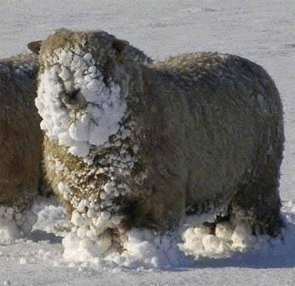
Lambing can be a tough time when the elements work against you, as farmers in Southland and South Otago are finding.
This unrelenting spell of cold wet snowy weather has taken a huge toll on lambing flocks in these areas.
To put this in perspective in monetary terms their loss will be much greater than Canterbury farmers costs from the earthquake.
Most of the earthquake damage will be covered by some degree by insurance, but new born lambs and capital stock lost in the snow will have to be covered by the indivdual farmers themselves.
Some assistance to help cope with this situation is avaliable if the Government declares this situation an adverse event, but for some 2010/11 will be a very lean year.
Having farmed in this area and experienced the Canterbury snowfalls of 1992, my sympathies go out for all involved.
Federated Farmers is urging the Government to declare parts of South Otago and Southland an adverse event zone, in light of six days of blizzards that have killed tens of thousands of newborn calves and lambs the worst spring storm in living memory. The number of lambs killed will not be known until tailing, but at an expected average farm-gate price of $80 a lamb, the cost to farmers could be measured in millions of dollars.
Agriculture Minister David Carter will visit Southland today to see the disaster first-hand reports The Otago Daily Times. Mr Rose, a farmer from Winton, said, "The biggest thing an adverse event declaration gives us is access to advice from the Rural Support Trust and recognition. "The spring storm of 2010 is frankly the worst in a generation with farmers going back over 50 years for anything this bad."
He estimated half the farms in Southland - about 800 - could be affected. On the worst affected farms, breeding ewes were also being lost. An adverse event declaration would give affected farmers access to assistance with cleaning up, individual and family support and recovery assistance.
Clinton and Owaka farmer John Latta said farmers were frustrated because there was little they could do. Even sheltered areas were turning to bog and lambs were dying after being born in a puddle or mud. Farmers did not like seeing animals stressed or suffering, but having six days of blizzards and wet and cold conditions was exceptional.
We welcome your comments below. If you are not already registered, please register to comment
Remember we welcome robust, respectful and insightful debate. We don't welcome abusive or defamatory comments and will de-register those repeatedly making such comments. Our current comment policy is here.