
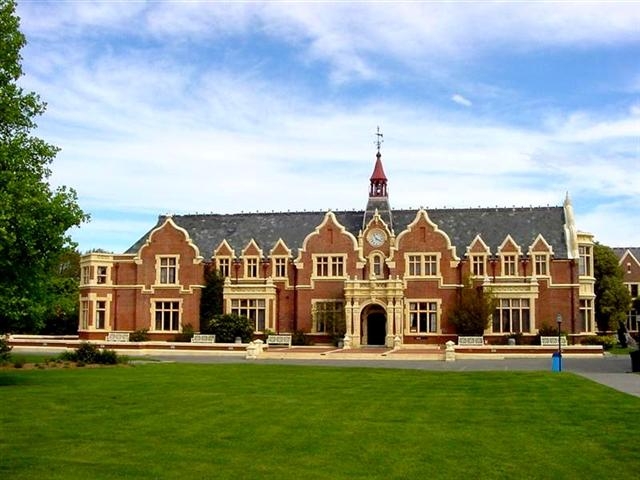
High quality agricultural education is needed to grow the rural economy into the future. In my opinion Lincoln University lost its way over the last 20 years focusing on "buying students" in many areas of education, just to survive, rather than focus on agriculture.
Lincoln always has been a small campus and needs to specialise in areas of expertise, and when they rebranded "NZ's specialist land based University" it was felt they were back on track. It was also very disapointing that the AgResearch/Lincoln partnership failed, as it would have focused this university solely on agriculture.
However it appears change may be in name only, as resources to handle the growing agricultural student intake are not expanding with it. It was reported to me that one of the respected leaders of Lincoln Prof Jim Stewart believed his job in Farm management should be one third teaching, one third research and one third extension.
Due to limited resources this has been lost in agriculture at Lincoln, with now most of the time spent lecturing. Once that strong link with practical farmers is weakened by less research and extension, so will the quality of the education delivered.
I have just learnt that the University is to disband its Professional Development Group - the organisers of iconic events such as the Kellog Farm Leadership programme, the South Island field days, and South Island Dairy Event, resulting in a loss of key experienced staff. These programmes were reported to be profitable, and added largely to Lincolns agricultural profile, and it's not clear if the university has any plan to continue its involvement with these events.
The directors are blaming Government funding caps for difficulty in finding money for increased staff resources, but they need to look harder at non agricultural courses at Lincoln that are not supported by enough students and over resourced by staff.
Field trips by students to farms to learn "at the coal face", have always been Lincolns point of difference in developing graduates with all round skills, who quickly integrated into the work force. This is more expensive to achieve, and policy makers and directors at Lincoln should remind the Agricultural Minister to remember the value in that.
Share with us your views on the direction of agricultural education. Will NZ have the skills in agricultural in the future, to grow more food for the world and are we investing enough resources into it?
We welcome your comments below. If you are not already registered, please register to comment
Remember we welcome robust, respectful and insightful debate. We don't welcome abusive or defamatory comments and will de-register those repeatedly making such comments. Our current comment policy is here.