
LAMB
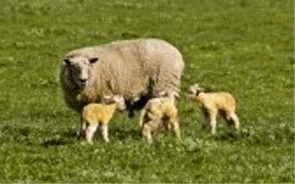
Milder weather, good feed covers and some restocking especially in the north has seen prices lift for all sheep offered at saleyards. Most prime lambs are achieving prices well in excess of $100, low numbers of stores and ewes are attracting strong demand, and animals with breeding potential are achieving premiums above their meat values. Processors have lifted their schedules to meet the demand but lessons learnt from a year ago may temper the market getting overheated and consumers switching to cheaper proteins again.
Marketers report optimism for strong pricing up until Christmas as the reduced sheep numbers and lower scanning results should drive a short supply driven demand and in the UK consumers are returning to purchase lamb at higher rates than last year.
Members of the Meat Industry Excellence group have met their counterparts in Britain with an aim to work together to provide a planned year round supply for that countries consumers at a price that is beneficial to both regions. Disappointingly, reports suggest there is very little likelihood of any significant red meat industry restructure will happen this year, as this sector once again refuses to make those hard calls to ensure the long term profitability of the sector.
DAIRY
Mild conditions for this time of year are welcomed by farmers which has even seen some operators in the Waikato concerned about unusually high grass covers. With some yearling heifers below liveweight targets and only 8-10 weeks from mating, advisers are urging operators to use this feed wisely and plan the animal health and bull management well to ensure an efficient outcome.
Calving is now also under way in the south where favourable weather is helping at this busy time of year and NIWA forecast these conditions to continue.
The storms are still is in progress in the market, as negative publicity from the food scare combined with fines for pricing practices by Fonterra in China, and the inevitable inquiries over the debacle have put a cloud over all in the dairy sector. Investors have quickly recovered their composure however, as the Fonterra Shareholders fund regained it’s value, and only a small price drop on the biggest volume sold at a single global trade auction event, was testament to a market still hungry for dairy commodities.
The MyFarm organized small investment opportunity, to purchase a share in dairy farms had a successful start as innovative ideas keep pushing dairy growth ahead. Both fertiliser Co-Op's have announced their financial results with one producing a record result, while the other unable to return a rebate, in a year where reduced fertiliser usage was the norm.
WOOL
The last Christchurch wool auction saw crossbred wools continue to prosper but mid micron fibers languish at values not seen for nearly two years. Volumes have recovered with the weather, and the market will be tested next with a double sale of high yielding prelamb shorn wools.
Wools of NZ announced producer support exceeds shareholders as they report 300 more farmers supply wool to this new company and look to provide contracts soon for the new season.
BEEF
Low volumes of manufacturing product into the US have kept the market stable, and reduced numbers of prime cattle have kept demand strong as processors strive to meet their chilled beef commitments. Local trade schedules reach the yearly high as domestic demand hits drought shortages of suitable cattle.
240 meat workers were laid off in North Otago as a labeling error in product sent to China has seen certification withdrawn and puts more pressure on officials to get it right in this important new market. “Spring fever” has started early in the store cattle market as farmers look to make earlier than normal purchases to utilize unexpected feed levels and restock after last season.
DEER
Producers are now seeing spring schedule rises in bigger jumps as interest lifts for chilled product and farmers are hoping the milder weather will activate the animals spring growth rate switch earlier. The currency is significantly lower than last year at this stage and should make this product more competitive in Europes price sensitive market and farmers will be looking for the schedule to reflect this.
Velvet growth responds quickly to warmer weather and increased quality feed, and animals could respond with earlier harvestable heads and more regrowth as a result. With little carryover stock reported farmers will be looking for another season where predictable volumes fetch quietly rising price levels.
We welcome your comments below. If you are not already registered, please register to comment
Remember we welcome robust, respectful and insightful debate. We don't welcome abusive or defamatory comments and will de-register those repeatedly making such comments. Our current comment policy is here.