
The Ministry of Business, Innovation and Employment (MBIE) says New Zealand must boost electricity production to meet future demand as the country transitions from fossil fuels to electricity.
The latest Electricity Demand and Generation Scenarios (EDGS) report from MBIE, released on Wednesday, shows wind and solar are the most likely sources to generate enough electricity to meet future demand long term.
EDGS is a set of independent scenarios that looks at future electricity demand and the generation capacity needed until 2050.
The Commerce Commission uses these scenarios to review Transpower’s future investment proposals for the transmission grid.
MBIE modeled five scenarios to capture a range of potential futures which included growth, constraint, innovation and environmental scenarios against a reference or baseline scenario. MBIE reiterated the scenarios were not future forecasts and shouldn’t be interpreted as such.
Public consultation over the 2024 report was undertaken over May and June 2023.
According to Wednesday’s report from MBIE, the growth scenario found short-term energy growth will be driven mainly by the commercial and industrial sectors, with electric vehicles (EVs) becoming a bigger factor starting in the late 2030s.
“Demand for electricity is expected to grow as existing fossil fuel use switches to electricity, higher uptake of electric vehicles, and new demand – such as large-scale datacentres coming online,” MBIE Markets Manager Mike Hayward said.
“By 2050, it is expected around half of all energy demand will be met by electricity.”
The report found electricity demand will rise by 80.9% by 2050, from 39.6 terawatt-hours (TWh) today to 71.7 TWh.
By 2035, 92.1% of New Zealand’s electricity is expected to come from renewable sources, including 45.7% from hydro, 20.3% from wind, 19.2% from geothermal, 5.6% from solar, and 1.4% from other renewables.
MBIE’s report projects generation from renewable sources will make up potentially between 96.3% and 98.3% of the country’s electricity by 2050.
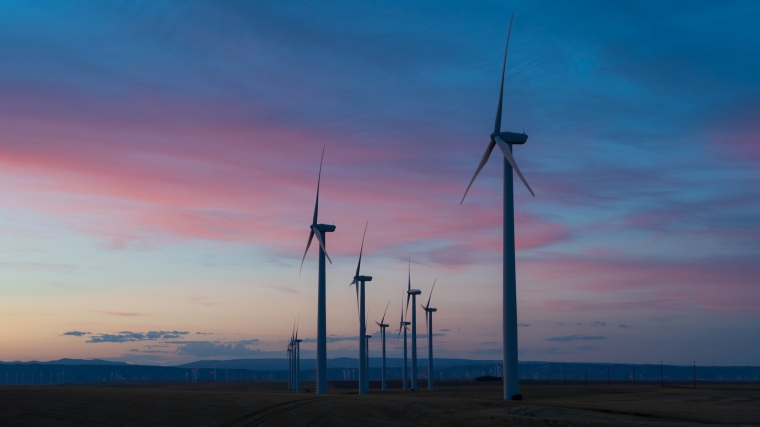
Wind and solar power will likely be the main sources of new electricity because they’re getting both cheaper and better and MBIE expects new hydro and geothermal plants will also be built.
However, new gas peaker plants will be needed to ensure there is enough capacity to handle peak demand.
Gas peaker plants are plants that only work during high-demand periods to balance the electricity grid.
“The 2030s see considerable change in electricity demand and generation, with increased demand for electricity and existing coal and natural gas electricity generation capacity expected to retire,” Hayward said.
“While modeling shows increased renewable energy generation will most likely be used to meet the additional demand for the next 26 years, it also shows that gas will continue to play a role in providing support to the electricity generation market”.
MBIE said the amount of energy support needed in the system for peak demand varied by scenario, with better load distribution and more batteries reducing the overall capacity required in MBIE’s environmental and innovation scenarios.
Under the report’s reference scenario, electricity generation emissions were projected to fall to 2.5 million tonnes of CO2-equivalent by 2050 but ranged from 1.6 to 2.8 million tonnes in other scenarios.
MBIE said key factors included the closure of major thermal plants – with Contact Energy signaling its intention to close the Taranaki Combined Cycle gas plant at the end of 2024 – and the switch to renewable energy sources, with emissions expected to stabilise by the mid-2040s.
We welcome your comments below. If you are not already registered, please register to comment
Remember we welcome robust, respectful and insightful debate. We don't welcome abusive or defamatory comments and will de-register those repeatedly making such comments. Our current comment policy is here.