
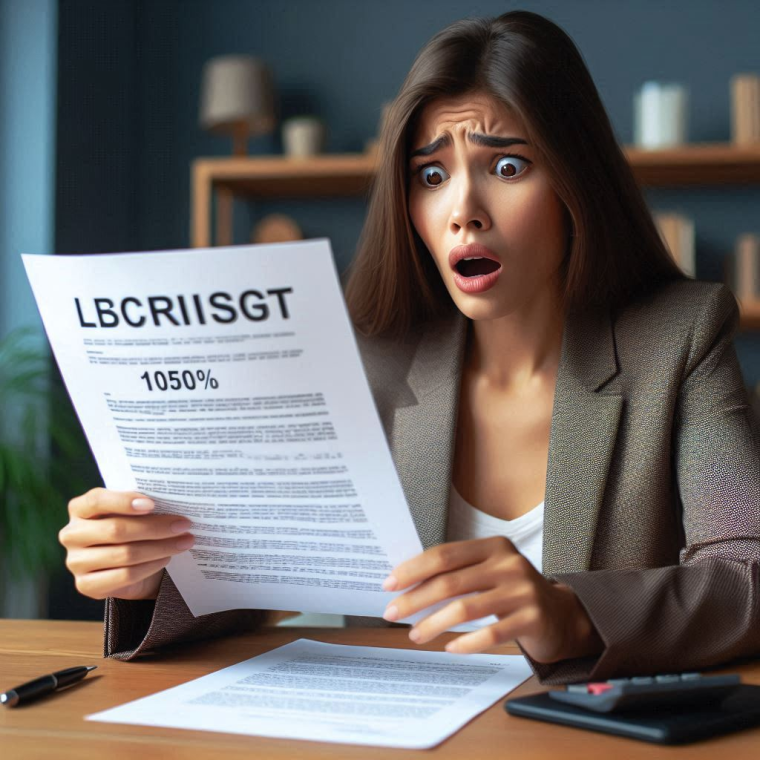
Short piece on why those huge mergers you read about, valued at sums of money the size of the GDPs of small to medium sized nations, are almost never a good deal for consumers and end users.
Like the $100 billion one that passed the regulators last year, which saw Broadcom being allowed to buy VMware. Both are big companies, with Broadcom better known for networking and other chips, and VMware being the dominant vendor in the virtualisation market. Virtualisation is when you make computers work harder by running multiple software computers on the same hardware.
This is a simplified view of it, but the easy version is that virtualisation brings quite a few advantages along with cost savings.
Now, $100 billion is a lot of coin, no matter how you look at it. Investors staking it will want a return. Tech publications Ars Technica and The Register are reporting that to the surprise of nobody in particular, Broadcom is hiking the price of its VMware offerings.
How much more expensive? In the case of telco AT&T, it's +1050% more expensive. That's not a typo.
That was enough for AT&T to sue Broadcom, particularly as the US telco thought it had a contract renewal deal stitched up through to September 2026.
How much money is at stake is not clear, but AT&T has 75,000 virtual machines running on 8600 servers (see? virtualisation really does bring efficiencies).
It looks like even if AT&T drop US$50 million or so on moving away from VMware to something else, it would get a quick payback particularly with the insanely high licensing price hikes.
We welcome your comments below. If you are not already registered, please register to comment
Remember we welcome robust, respectful and insightful debate. We don't welcome abusive or defamatory comments and will de-register those repeatedly making such comments. Our current comment policy is here.