
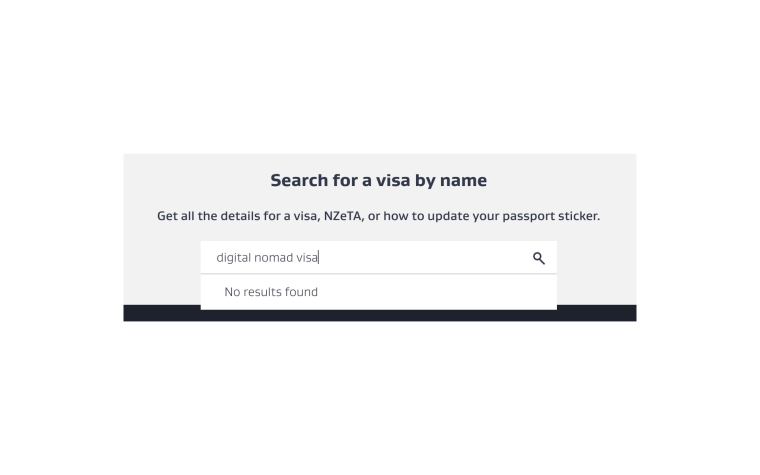
So, what does the government's initiative to attract location-independent professionals or Digital Nomads to New Zealand entail?. Unlike on-the-cheap backpackers, Digital Nomads are the cool kids who pack a laptop and earn big bickies while travelling. Ideally they spend some of the dough in the countries they're visiting, and might even stay permanently in them. Super tourists, if you like.
Because of that, lots of countries have specific and renewable Digital Nomad or other types of visas that permit remote work or self-employment, with conditions such as minimum incomes, travel health insurance, business plans and/or valid work contracts.
Some, like Czechia’s DNV, provide a pathway to residence. Czechia's DNV does that after five years, with citizenship on offer after 10 years.
France caters for self-employed or those engaged in “liberal activity” with a one-year renewable visa that requires at least €1800 a month income, €21,000 in savings, and which offers residency and citizenship after five years.
As the Beehive announcement makes clear, no such perks apply to remote workers arriving in New Zealand, on visitor visas.
What is going on here? I came across a post by McVeagh Fleming partner Arran Hunt on LinkedIn (yes, LinkedIn) that talked about the recent DNV announcement.
Hunt says: “can we please be clear that what has been provided is not a Digital Nomad Visa (DNV).”
In fact, little has changed on the visa front beyond clarifying that it’s now OK for visitors to the country to check work emails and a few other things, Hunt explained.
What's the official word then? Immigration New Zealand’s website says travellers on visitors’ visas are allowed to do the following:
- Answer emails and phone calls
- Coding and testing
- Writing reports
- Attend meetings and give presentations to colleagues outside New Zealand
- Create content as a social media influencer - as long as you’re not promoting an activity, event or product for gain or reward from a New Zealand business or person in New Zealand.
Tax obligations from remote work may arise for longer stays than 92 days in a 12-month period (or 183 days for those with tax residence in countries NZ has a tax treaty with) as well.
Hunt said the clarification that it’s now not a breach to do some work remotely like check emails is positive. He’s undoubtedly correct in saying that hardly anyone would’ve known that doing so in NZ, while on a visitor’s visa, was a breach of entry conditions.
Work for a New Zealand-based employer requires a work visa, as in the past.
Social media influencers probably won’t benefit from the visa changes, as Hunt pointed out. If they come to New Zealand, chances are they want to show off or promote something local. In that case, Immigration says they have to have a work visa.
“Will it [the visa changes] increase the number of people coming to New Zealand, and lead to these large increases in tax take? Probably not,” Hunt said.
It's possible that a proper DNV or similar permit would achieve some of that. What's on offer in New Zealand looks weak compared to what Digital Nomads have available in many other countries. Particularly so given our remote location and high cost of living.
We welcome your comments below. If you are not already registered, please register to comment
Remember we welcome robust, respectful and insightful debate. We don't welcome abusive or defamatory comments and will de-register those repeatedly making such comments. Our current comment policy is here.