
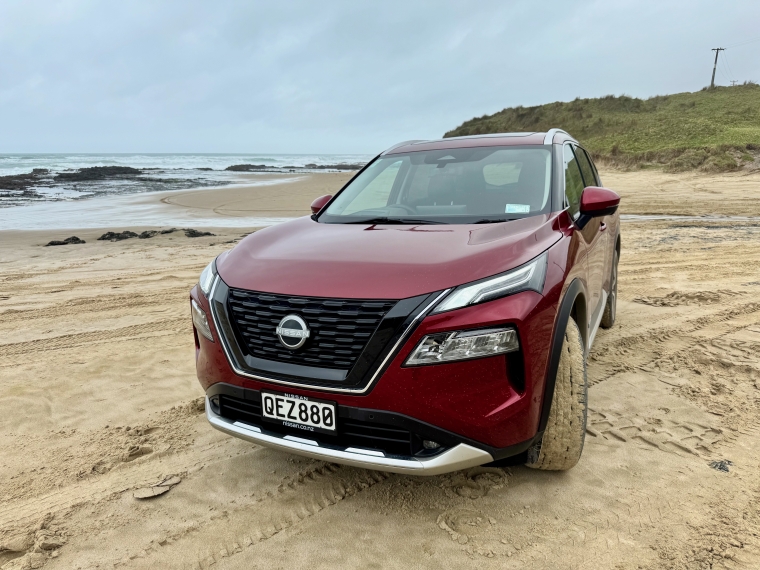
The merger between household Japanese car brands Honda and Nissan-Mitsubishi appears to be on the skids. Talks started last year, and by December it looked like "Nishondabishi" would come into existence in 2025, creating the world's third-largest car maker.
Now however, Nissan is reported to be calling the whole thing off. Nissan did not want to become a Honda subsidiary, and is again casting side-eyes towards Taiwan's Foxconn/Hon Hai Precision. The electronics giant and Apple iPhone original equipment manufacturer is serious about entering the global car market with electric vehicles brand, and has already launched a number of "Foxtron" prototypes of different models.
How that hangs together becomes apparent when you hear about the Taiwanese Luxgen (the name comes from "Luxury" and "Genius") brand of cars, which are designed and made by Foxconn. Like the Luxgen n7 SUV, which has an interestingly named Human Chain Edition model that sells for around $70,000 in Taiwan.
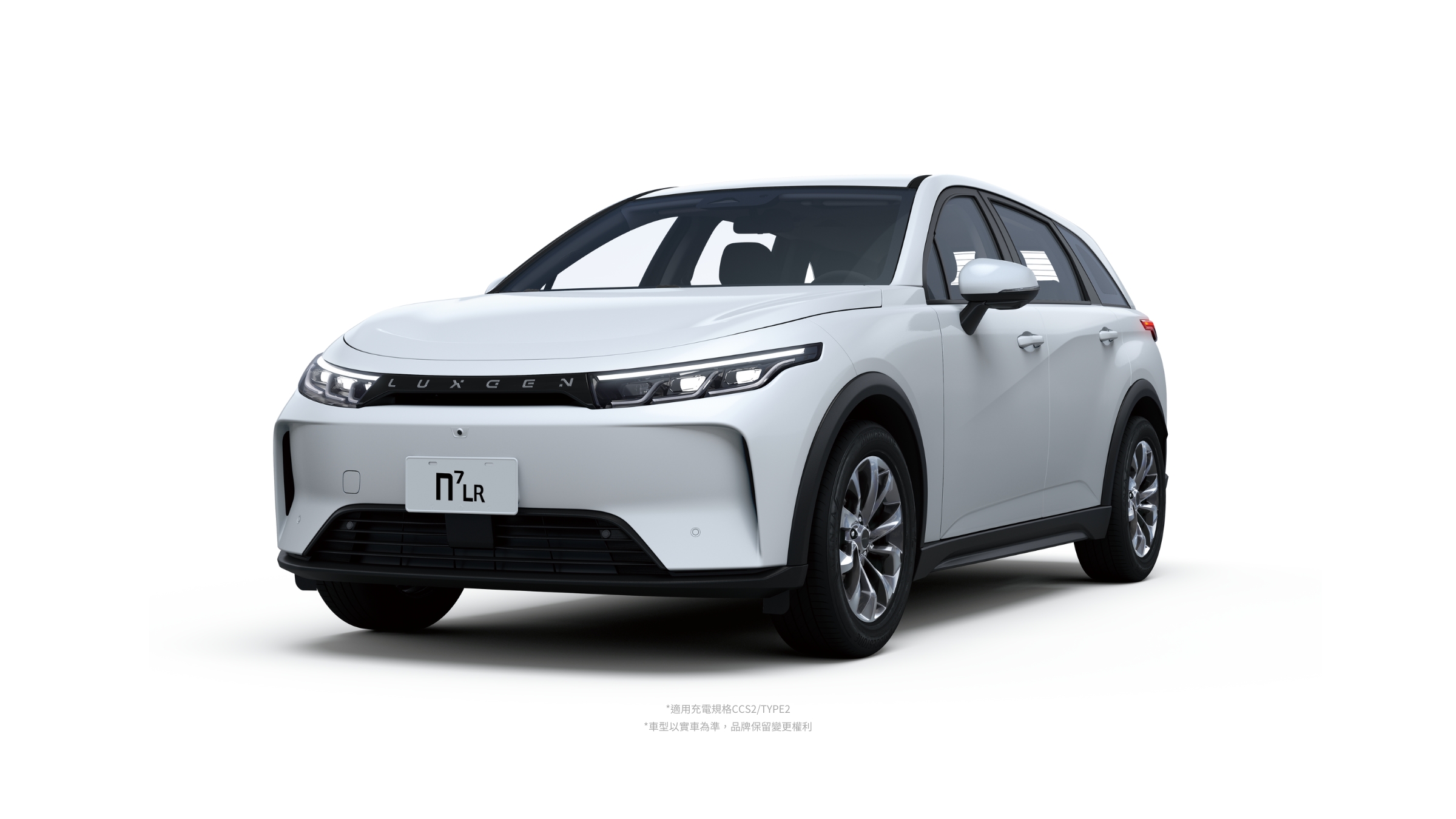
Luxgen is a sub-brand of Yulon Motors in Taiwan, one of the oldest and largest car makers on the island nation. Yulon was the first overseas maker to manufacture under licence Nissan cars, so that's the history perhaps that ties it all up.
Tesla sales collapse
Meanwhile, the airbags have deployed at Elon Musk's Tesla as the company's car sales in Europe crash.
I’ve never seen Tesla sales declines get this much pickup. $TSLA
— Carl Quintanilla (@carlquintanilla.bsky.social) February 6, 2025 at 2:14 PM
[image or embed]
Tesla sales in Germany are down nearly 60 per cent, and the they're not looking any less sickly in other European countries, like Luxembourg (!)
Not just in Europe either, but in other markets as well like Australia. It's most likely not all due to its largest shareholder and frontman's open embracement of the far right and other political shenanigans, but it's hard to see how a "swasticar" association is beneficial for the Tesla brand, in an already soft market.
Chinese car makers meanwhile, enjoy both a huge domestic market and subsidies for EVs. As a result, brands like BYD, Xpeng and Geely are raking it in. Taiwan's Foxconn will no doubt feel encouraged by the success of fellow smartphone maker (and competitor) Xiaomi in China, which is selling EVs hand over fist, US bank Goldman Sachs analysts reckon. Xiaomi's cars look great, like the stunning "sparkle ignited by the sky, blending passion and elegance" SU7:
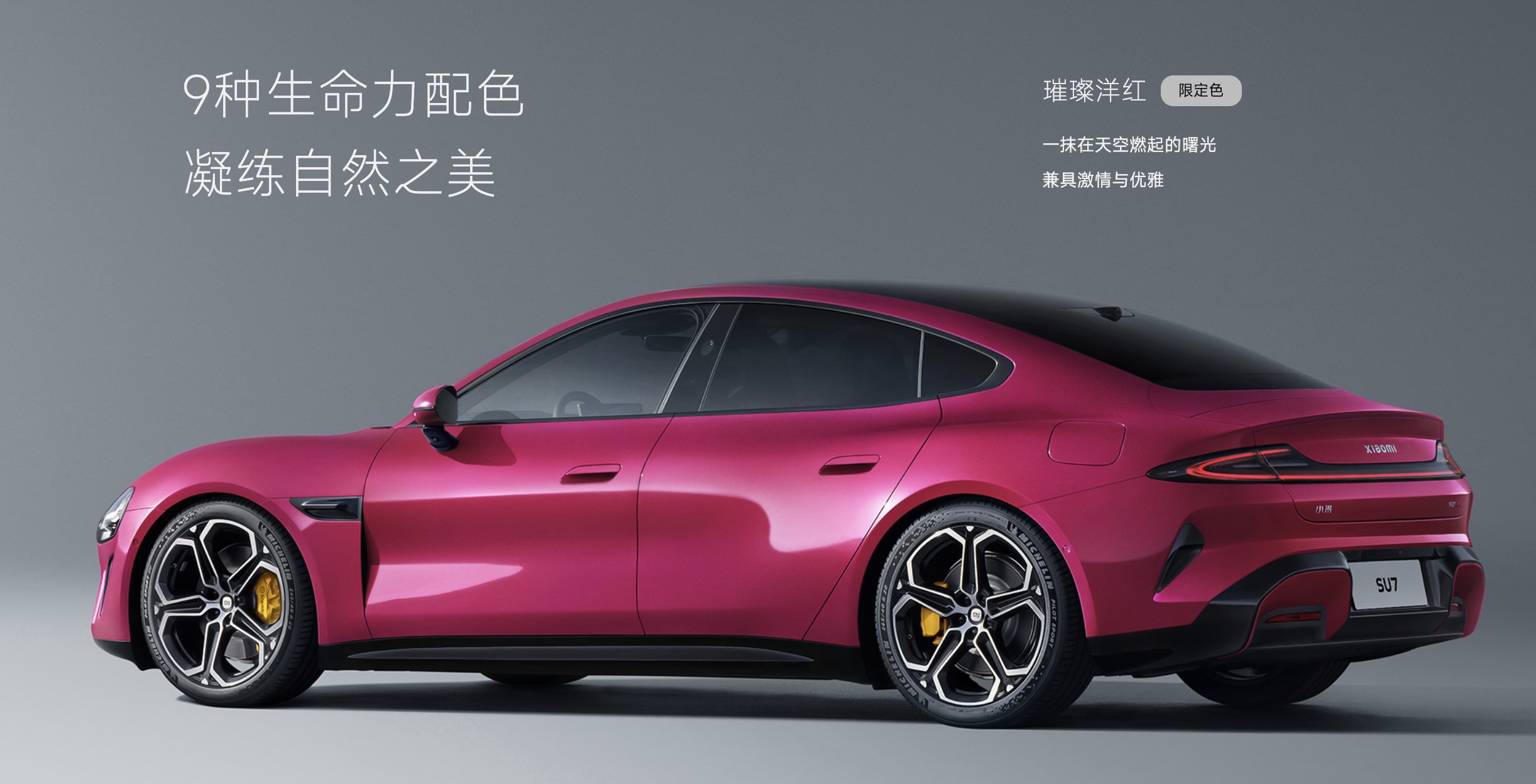
Cars from China come with its own set of concerns, like worries about data security, but there's no doubting the often exuberant and at times, eccentric innovation by vehicle makers from the Middle Kingdom.
Like the "tank turn" parking by spinning the rear wheels in opposite directions, as demonstrated by a Denza Z9GT:
Other Chinese cars, such as some Zeekr models made by Polestar and Volvo owner Geely can do that too, along with 360 degree turns. Not that you should, for the sake of tyre life and the environment.
More importantly, Chinese car makers are implementing ultrafast charging for vehicles, meaning they can be topped up from 10 per cent to 80 per cent in about 10 minutes at DC stations that can provide such high rates. Whether or not it will happen, or how, remains to be seen, but Geely's Zeekr is said to bring an ultrafast DC charging network to Australia.
We welcome your comments below. If you are not already registered, please register to comment
Remember we welcome robust, respectful and insightful debate. We don't welcome abusive or defamatory comments and will de-register those repeatedly making such comments. Our current comment policy is here.