
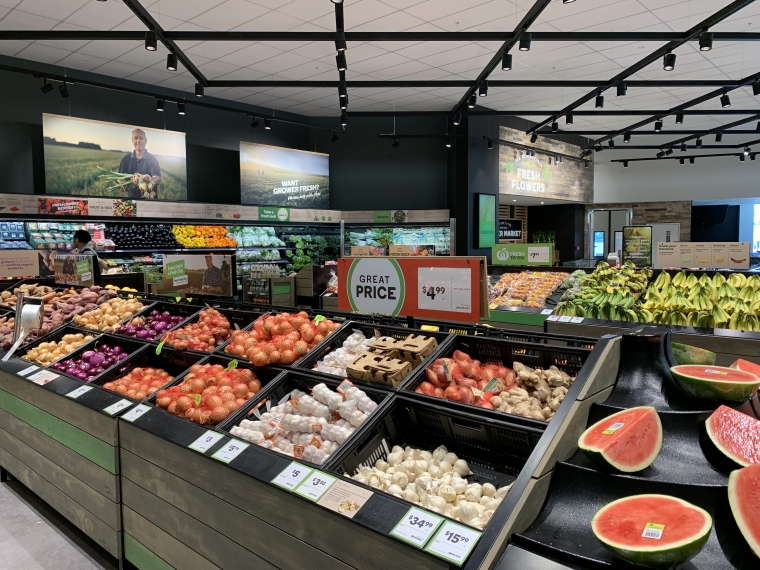
There’s little price relief in sight for supermarket shoppers, with Statistics New Zealand reporting another annual 6.6% increase in the cost of food.
In the midst of government moves to dampen food prices, the Stats NZ data shows grocery food prices increased the most in June compared to June 2021, with a 7.6% rise.
Stats NZ consumer prices manager Fiona Smillie said the grocery increase was largely down to increasing prices for milk, potato crisps, and yoghurt.
It was a similar story in May this year when yoghurt was the biggest single driver of prices in the supermarket.
The price of fruit and vegetables increased by 5.5% compared to the same period in 2021 while restaurant meals and ready-to-eat food prices also saw a chunky increase, with prices rising by 6.3% on June 2021 prices.
Stats NZ said eat-in lunch/brunch meals and dinner restaurant meals influenced this increase the most.
Prices for meat, poultry, and fish also recorded a more than 6% increase with prices rising 6.8%.
Monthly food prices were 1.2% higher in June 2022 compared with May 2022.
After adjusting for seasonal effects, food prices rose 0.8% from May.
Annual food price inflation hit a 10 year high of 7.6% in March.
The supermarket industry has been under intense scrutiny as commerce and consumer affairs minister David Clark rolls out the Government’s plans to improve competition in the sector and get better deals for New Zealand shoppers.
On July 6 Clark announced a grocery commissioner would be appointed to be a referee for the sector, “keeping the supermarket duopoly honest and blowing the whistle where it suspects there is a problem”.
It has also acted to end the big two - Woolworths and Foodstuffs - from using land covenants to block new stores being opened.
Legislation has already been passed which bans major supermarkets from blocking their competitors’ access to land to set up new stores.
Foodstuffs, a New Zealand-owned cooperative, said on Tuesday it had committed to ending the use of restrictive land covenants and exclusivity provisions in leases, and immediately started a process to remove all existing such clauses.
It said it had already removed 78 covenants from 135 land titles and that no covenant or exclusivity provision will be enforced while it was in the process of getting rid of them.
Clark also released a draft grocery code of conduct between major grocery retailers and their suppliers to ensure suppliers get a fair deal.
The Commerce Commission finalised its market study into the grocery industry in March.
It found competition in the retail grocery sector was not working well for consumers.
We welcome your comments below. If you are not already registered, please register to comment
Remember we welcome robust, respectful and insightful debate. We don't welcome abusive or defamatory comments and will de-register those repeatedly making such comments. Our current comment policy is here.