
The Commerce Commission isn’t ruling out regulation to bring down surcharges for retail payments as it chalks up a couple of wins, with 2degrees, Ticketek and councils among those successfully nudged by the competition watchdog to reduce surcharges.
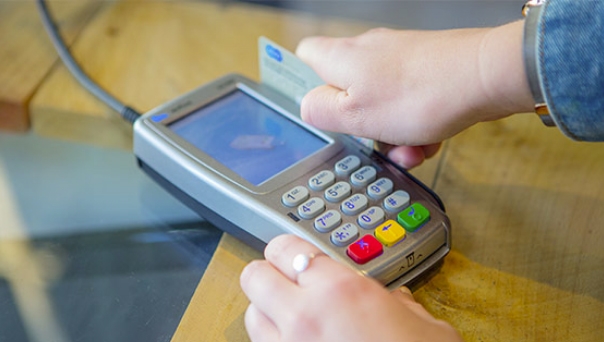
The Retail Payment System Act 2022 requires the Commerce Commission to monitor and regulate the retail payment system. Surcharges are often levied for specific types of transactions, with Paywave or contactless transactions often attracting fees passed onto consumers.
But there were concerns some merchants were doing more than passing the charge on, and in November 2022 an initial pricing standard came into effect which capped some of those domestic interchange fees. Since then, the Commerce Commission has been watching to see how the legislative change is playing out.
It said it had engaged with larger businesses it expected to have lower surcharge rates including Air New Zealand, Ticketek, and telecommunications company 2degrees.
As a result of its work, 2degrees would reduce its surcharge from 1.75% to 1% later this year, as well as some councils who were reviewing and reducing surcharges for rates bills and other services, Commerce Commission Chair John Small said.
“This is a win for consumers.”
2degrees head of public relations Quentin Reade said the company “prided ourselves on being fair and transparent, so challenged ourselves to do what we can do here to help consumers”.
“We are hopeful Kiwis see a reduction in fees as a fair and clear way for businesses to operate when faced with external bank charges.”
Ticketek told Interest.co.nz that it was in the process of revising its fees for credit card payments.
“As we work through to confirm and reduce the final rate, the revised fee will be built into future events and will be visible to the customer as the event goes on sale.”
Ticketmaster NZ said it was “actively engaged in working to reduce or eliminate its payment processing fee”.
The Commission published a letter it had sent to a group of 17 businesses on August 3 updating on its progress in trying to get surcharges dropped.
It said it had sent the merchants initial letters in March which requested “they review their surcharging practices to bring them into line with our expectations and that we were seeking their feedback”.
In contrast with 2degrees, One New Zealand – formerly Vodafone – had refused the Commission’s overtures to drop its surcharges. The company told the Commission, “at present it is comfortable with its current surcharging practices although it has indicated it intends to regularly review its surcharging practices”.
One NZ currently charges a 2% “convenience fee” for any one-off credit or debit card payment.
Among the 17 the Commission wrote to along with Air New Zealand, which was criticised for raising surcharges in 2020, was a number of councils including Auckland Council which was charging 1.75% for some forms of payments.
Auckland Council had agreed to drop its “in-person weighted average surcharge for credit and contactless debit to 0.67% from 1.75% with an implementation date of late July 2023” as a result of the Commission’s work.
A number of other councils had also committed to dropping payment surcharges including Hutt City Council and the New Plymouth District Council.
Wellington City Council appeared to be an outlier for councils, it had not committed yet to dropping payment surcharges.
The Commission’s letter said it may regulate payment surcharges and was “yet to determine whether regulation in this area is necessary and are currently using an engagement strategy that allows us to learn whilst encouraging payment service providers and merchants to do the right thing by their respective customers”.
It said it was monitoring complaints on excessive surcharging and would engage with merchants as necessary.
The Commerce Commission had published guidelines for both merchants and consumers about surcharging since the 2022 law change.
In May, Small said consumers had options to avoid retail payment surcharges.
“In most cases of in-person card payments, you have the option of inserting or swiping your debit or Eftpos card, rather than using the contactless function, and this should not incur a fee."
We welcome your comments below. If you are not already registered, please register to comment
Remember we welcome robust, respectful and insightful debate. We don't welcome abusive or defamatory comments and will de-register those repeatedly making such comments. Our current comment policy is here.