
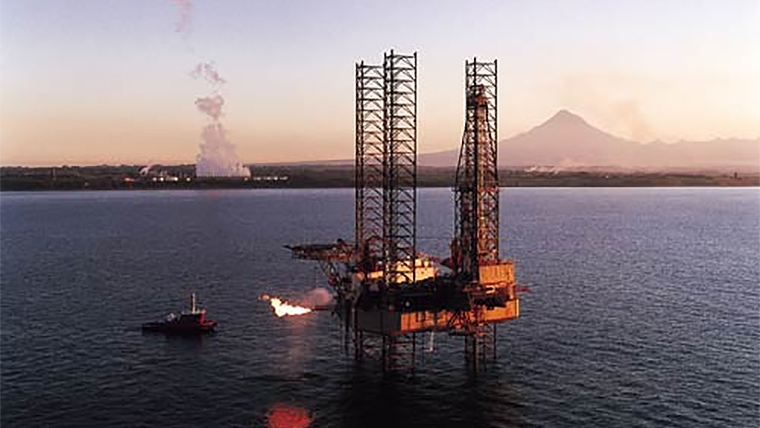
New information suggests the dependability of New Zealand’s supply of natural gas is getting worse.
The warning comes in the latest publication from the industry regulator, the Gas Industry Company Ltd (GIC), which is required by law to give quarterly reports to Minister of Energy.
Its comments come nine months after the Ministry of Business Innovation and Employment (MBIE) issued its own advice, saying that reserves of natural gas would last for less than 10 years.
The new information suggests an even steeper decline.
"Gas supply is at the bottom of expected volumes this year," the GIC states bluntly.
"Insufficient gas is available to meet all contracted demand. As a result, industrial gas use has reduced."
The GIC produced a graph, with the green line illustrating last year’s comments from MBIE and the blue line based on actual production during 2023.
It says the graph is a forecast based on past production trends but it concedes these forecasts could change if a company were to suddenly invest in a new product.
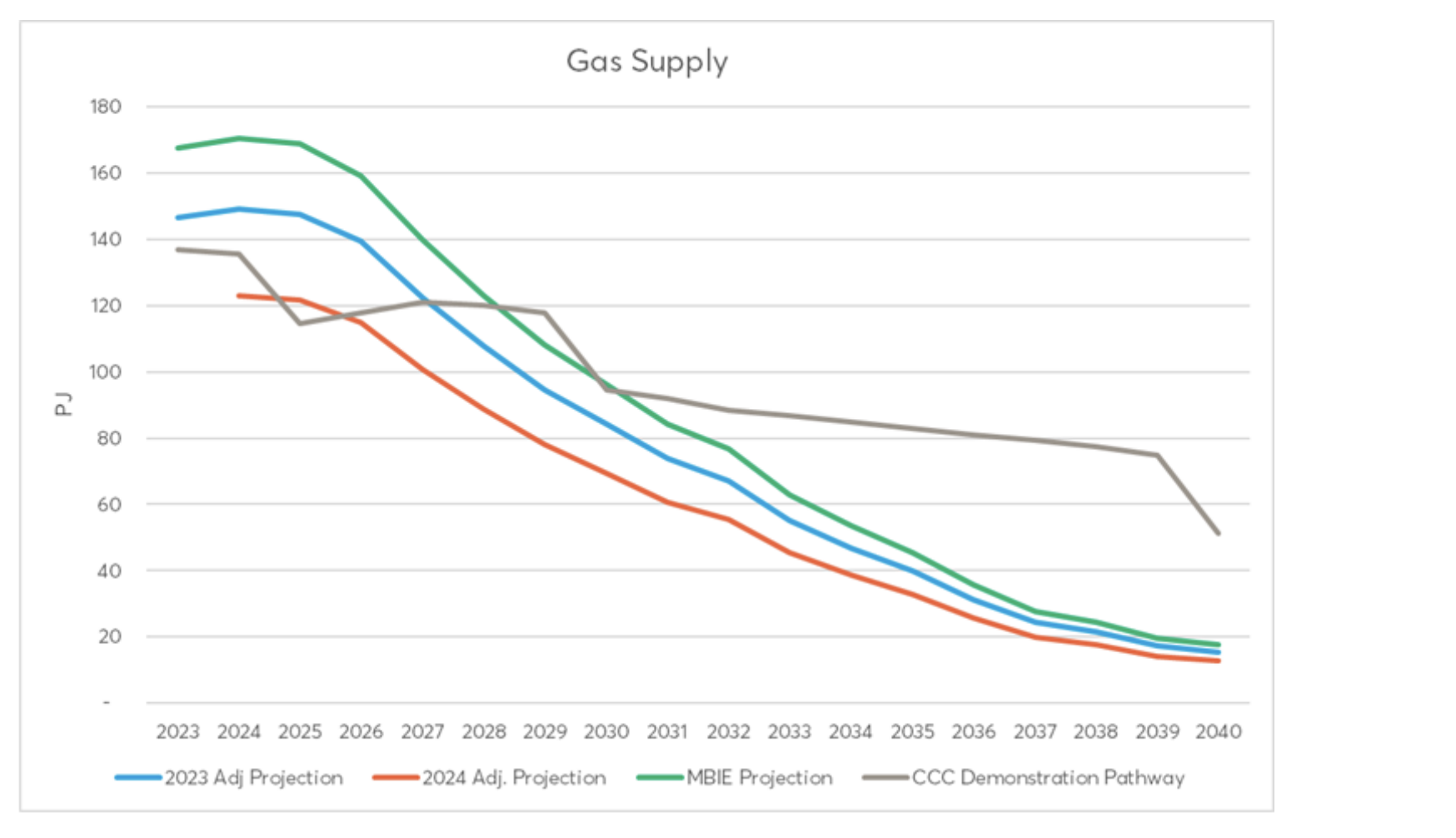
Despite this caveat, the GIC is urging gas users with a soon-to-expire contract to get in fast and get a renewal before supply gets worse and prices get higher.
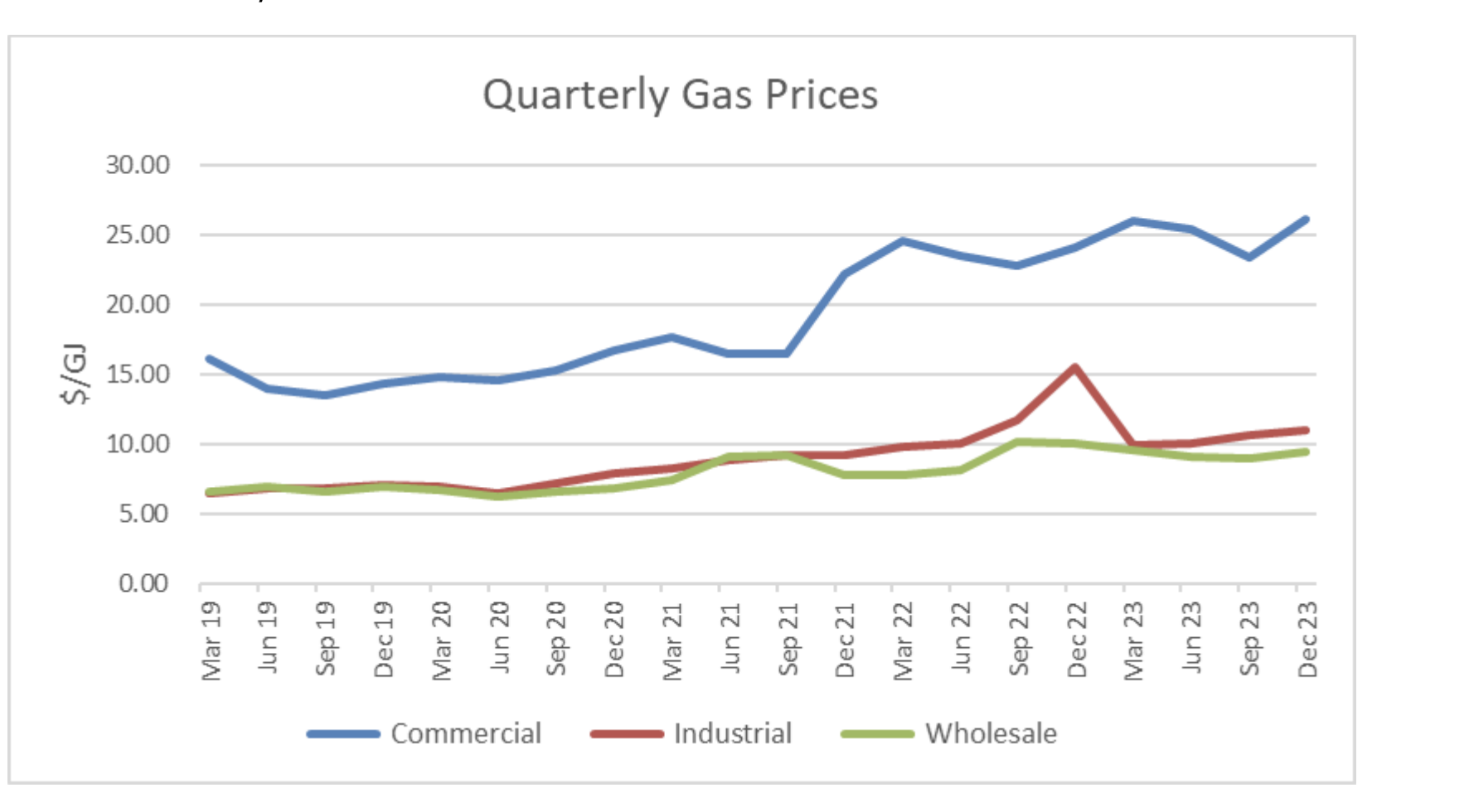
Along with this comment is a graph showing gas prices rising in the past five years.
In further information, 2023 natural gas production was only 146.5PJ, significantly below forecasts of 167.5PJ.
And in the first three months of 2024, natural gas production was expected to be 42.6PJ, but only 30.7PJ was produced.
No-one in the gas industry expects this shortage to affect householders using gas for their home cooker or hot water heater. The household sector uses just 2% of New Zealand’s gas. Cutting them off would generate a public outcry and waste the money spent on putting in pipes to the home.
The real impact would be on large gas users like Genesis Energy and the Taranaki methanol producer Methanex, and this has already started to happen.
Methanex, which employs 240 people, mothballed one of its three plants in 2021 because of a gas shortage, and repeated warnings in its most recent annual report that it had gas supply contracts in place only until 2029.
"The future operation of our New Zealand facilities depends on the ability of our contracted suppliers to meet their commitments and the success of ongoing exploration and development activities in the region," the report said.
"We cannot provide assurance that our contracted suppliers will be able to meet their commitments or that exploration and development activities in New Zealand will be successful to enable us to operate at capacity or at all.
"We cannot provide assurance that we will be able to secure additional natural gas on commercially acceptable terms. These factors could have an adverse impact on our results of operations and financial condition."
A similar problem affects the electricity company Genesis Energy. It operates the fossil fuel-powered generating plant at Huntly, which is used to produce electricity when the wind doesn’t blow and rain doesn’t fall. Genesis once vowed to end the burning of coal there by 2025. But in a statement to the Stock Exchange last month, it tried to delicately suggest that this policy might have to be rowed back.
Genesis has since gone further, and said it will need to bring in more coal from overseas for next year.
"The solid fuel level between biomass and coal that we maintain at Huntly is around 350,000 tonnes," its chief executive Malcolm Johns told RNZ.
"By the end of this winter we will have gone below that level, and so we will need to to that stockpile up ahead of next winter."
There have been complaints in the energy industry that some of these problems date back to the previous Government’s ban on offshore oil and gas exploration in 2018. The current Government plans to reverse that ban, and further work on this is due shortly.
But this process has become clouded over fears that a future Government could reinstate the ban and leave companies stuck with irrecoverable costs if they have to stop work half way through exploring a gasfield or actually starting to commence production.
A suggestion that energy companies could get some state insulation from these costs led to allegations of corporate welfare and counter claims that businesses need protection against electoral flipflops.
We welcome your comments below. If you are not already registered, please register to comment
Remember we welcome robust, respectful and insightful debate. We don't welcome abusive or defamatory comments and will de-register those repeatedly making such comments. Our current comment policy is here.