
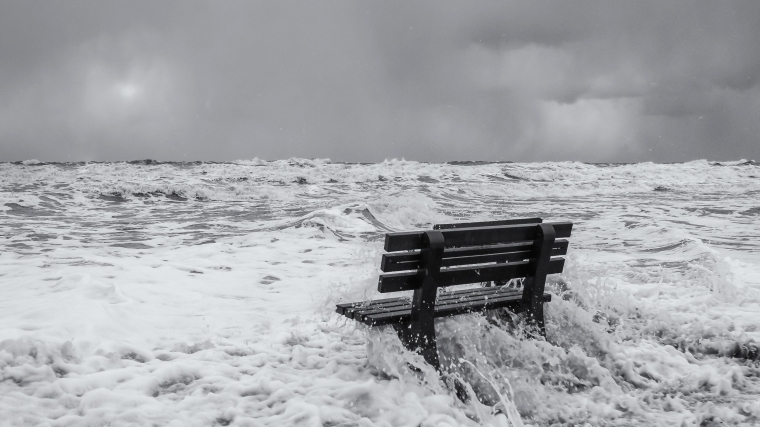
Coastal erosion could cause an estimated 10,000 coastal properties across Auckland, Wellington, Christchurch, and Dunedin to become uninsurable in the next 25 years.
And the hardest hit will be those “already struggling,” according to a new joint report out of the Helen Clark Foundation and environmental consultancy WSP.
The report’s author Kali Mercier, who is a WSP Fellow and Deputy Director at the Helen Clark Foundation, says New Zealand holds much of its wealth in residential property, making it “especially vulnerable” to sea-level rise and climate-related weather events.
Without intervention, the report which was released over the weekend, found residential insurance premiums for flood prone properties in NZ will continue to “rise steeply”, eventually becoming unaffordable.
The report also expects insurers to withdraw from flood coverage altogether for most at-risk properties.
“Maintaining high residential insurance coverage, especially for floods, is critical to safeguard the country’s economic and social resilience in the face of climate change, and to keep people in vulnerable locations from falling into poverty when weather-related disasters strike,” Mercier says.
“Insurance helps individuals, communities, and the country as a whole bounce back from climate-related shocks.”
The report found an estimated 10,000 coastal properties across Auckland, Wellington, Christchurch, and Dunedin could become uninsurable by 2050.
There are also currently around 10,000 properties around the country that are exposed to all three types of flooding – river, coastal, and surface water.
Climate change has the potential to increase all three types of flooding, the report said.
The report has advised that NZ needs to invest in risk mitigation in order to keep insurance premiums for residential properties lower for longer.
It also called for the Government to start developing a public residential flood insurance scheme like Britain’s Flood Re Scheme or France’s ‘catastrophe naturelles’ insurance scheme.
The Insurance Council of New Zealand (ICNZ) told interest.co.nz recently that it opposes a flood reinsurance scheme similar to Flood Re.
Risk zones
Mercier says the future of residential insurance under climate change is uncertain.
One thing remains clear though – homeowners with properties in a natural hazard risk zone will be paying higher insurance premiums in the future as risk-based pricing becomes more common.
“But many homeowners in such a position bought their properties without knowing or fully understanding the risks, or were unable to afford a more expensive property in a less risky area,” the report says.
According to Mercier, NZ needs to “urgently decide” on how it’s going to keep insurance accessible and affordable.
This could range from including subsidies for those who can’t afford insurance, the standardisation of insurance policies so people know what they’re covered for, to making pricing criteria more transparent.
“We also need to ensure that the insurance market remains as competitive as possible,” Mercier says.
Earlier this year, Parliament’s Finance and Expenditure Committee (FEC) was tasked by Climate Change Minister Simon Watts to undertake a climate adaptation inquiry. The cross-party committee looked at how NZ could mitigate the risks and costs of severe weather events and develop objectives and principles for a climate adaptation framework.
The FEC’s report, published in October, found NZ’s current system of managing natural hazards and climate risks “under stress”.
The potential costs associated with climate adaptation were described as “seriously uncertain” and the committee was clear that the Government’s framework would need to clarify what parties paid for investment into climate adaptation.
We welcome your comments below. If you are not already registered, please register to comment
Remember we welcome robust, respectful and insightful debate. We don't welcome abusive or defamatory comments and will de-register those repeatedly making such comments. Our current comment policy is here.