
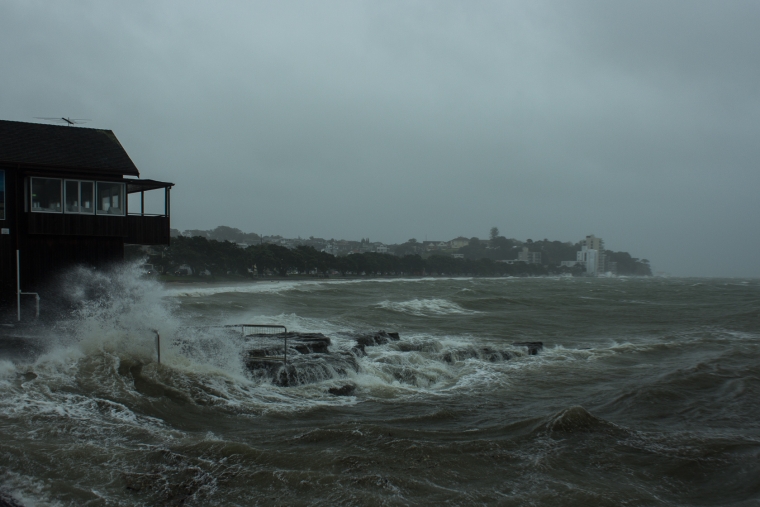
New research by Motu Economics and Public Policy Research shows just how much more susceptible properties in coastal parts of New Zealand are to storm damage.
Researchers, David Fleming, Ilan Noy, Jacob Pástor-Paz and Sally Owen, have found that while the average property in New Zealand is located about 11km away from the coast, the average property involved in an Earthquake Commission (EQC) claim after a weather-related event is only 6km from the coast.
They’ve drawn this conclusion having looked at the more than 26,000 weather-related claims lodged with the EQC between 2000 and 2017.
The EQC provides natural disaster insurance for residential property. Its Natural Disaster Fund is funded by levies added to residential home and contents insurance premiums. It is also backed by reinsurance and a Crown guarantee.
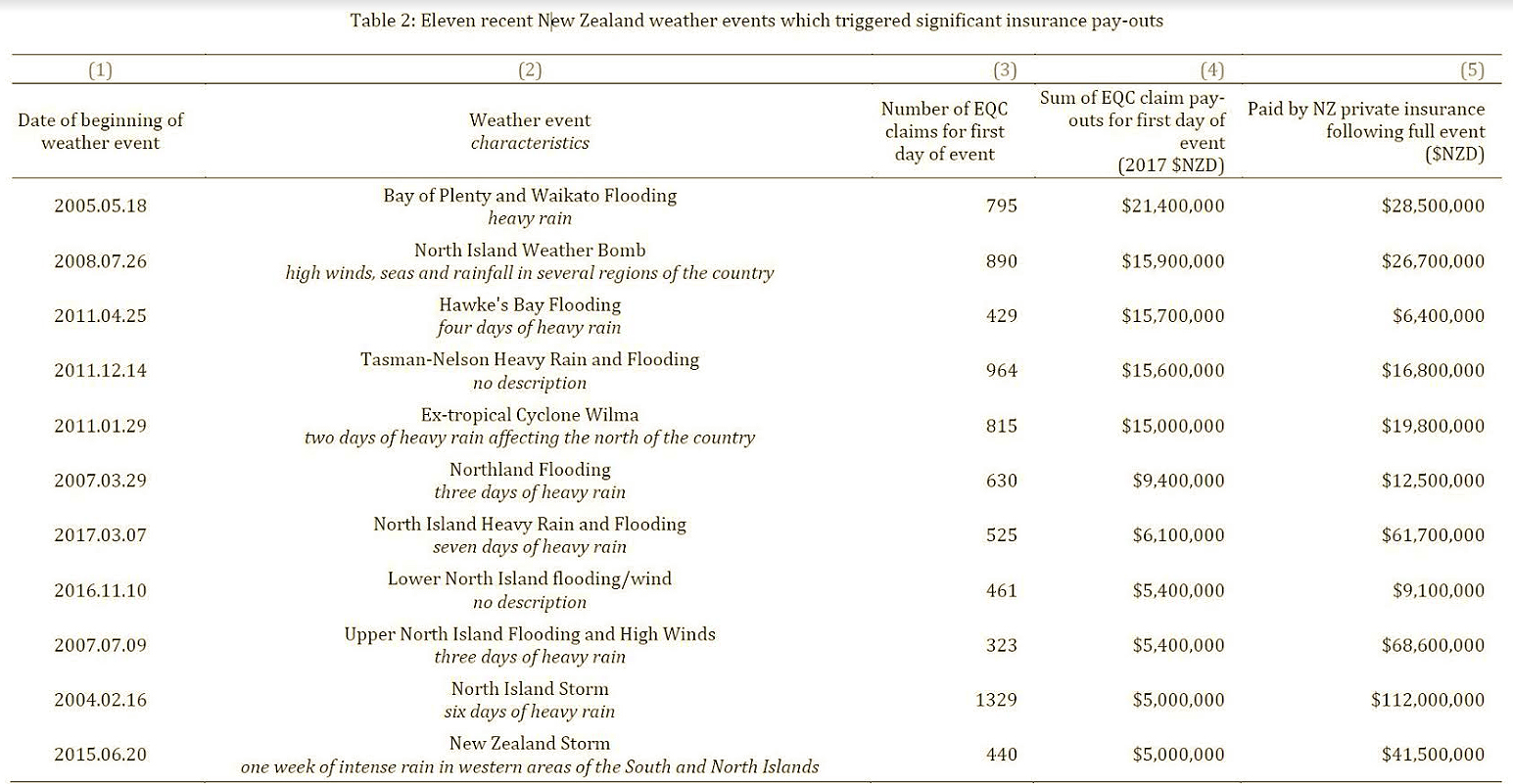
The researchers found that five major events accounted for a third of all pay-outs made by the EQC between 2000 and 2017.
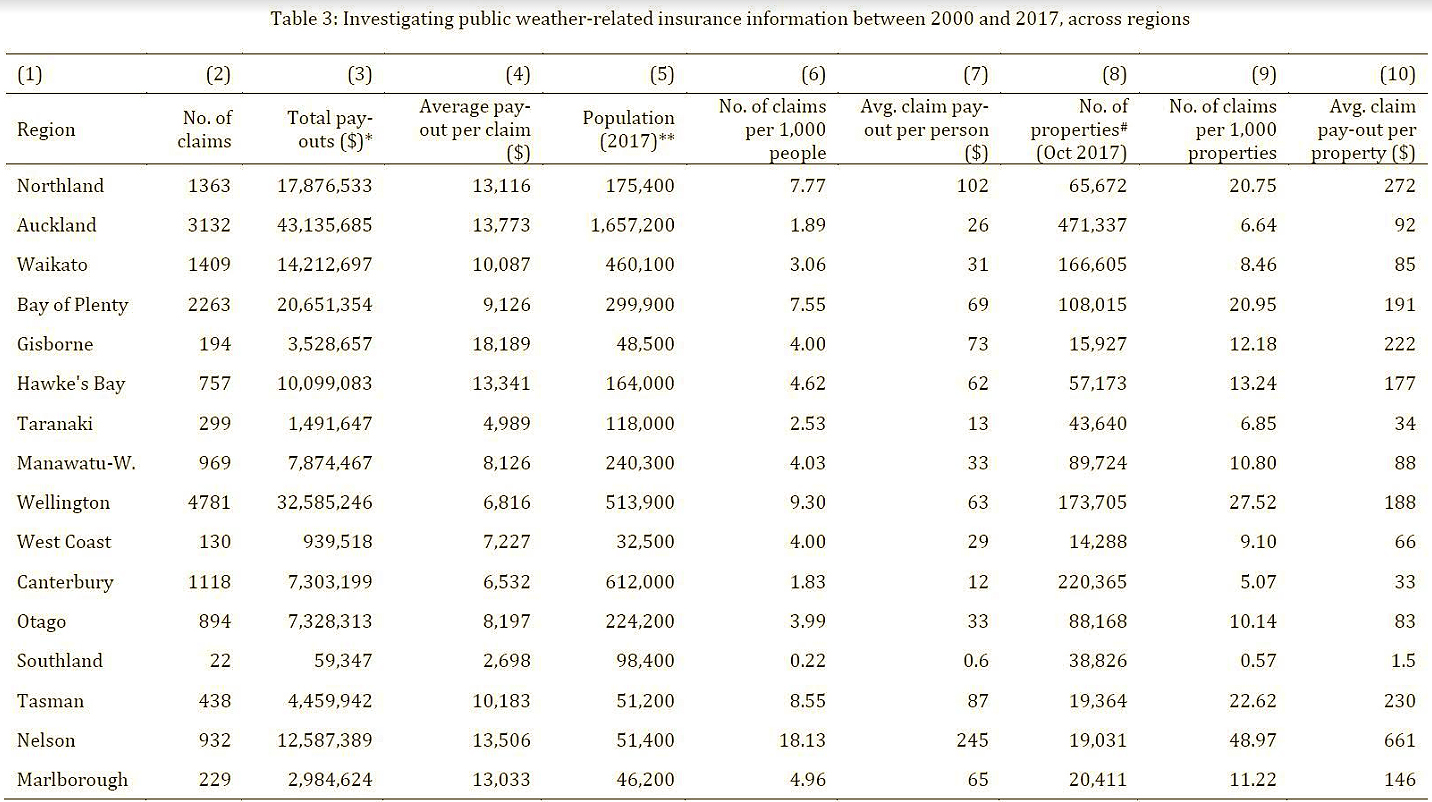
Four of these occurred in Northland, the Bay of Plenty, Nelson and Tasman - the regions (along with Wellington) with the highest proportions of people and properties negatively affected by weather events.
The number of claims lodged with the EQC per 1000 properties was 48.97 in Nelson, 27.52 in Wellington, 22.62 in Tasman, 20.95 in the Bay of Plenty and 20.75 in Northland.
Looking at the value of claims paid out by the EQC, after Auckland and Wellington, the Bay of Plenty and Northland were the regions that received the highest pay-outs, followed by Nelson.
Gisborne was the region with the highest average value of pay-out per claim of $18,189.
“With climate change it’s vital to know how weather-related events translate into financial liabilities for the Crown,” Noy says.
“This is the first in-depth analysis of EQC claims for weather-related events and is the beginning of understanding what we may face in the future.”
Motu researchers also found there was no relationship between regions with higher population growth and regions that lodged the most claims.
This suggests people aren’t necessarily moving to high risk areas.
Looking further at the socio-economic side of the data, Motu researchers found weather-related EQC claims tended to come from areas where households had higher median incomes.
Locations with a median income in the top 40% of incomes reported more than half of the total claims and pay-outs made.
The researchers didn’t dig into the reasons behind this, but say it could be due to these households having better access to the system, their damaged assets being worth more, or them having more land exposed.
“We are only just beginning to provide insights about the increasing risk that current and future residential areas might face, given the possibility of increasing frequency of extreme weather events,” Noy says.
“This paper is the first part of research which we hope will ultimately project the financial liability from climate change for EQC, and through it, the Crown”
The researchers say their findings should be considered in the context of discussions initiated by the Parliamentary Commissioner for the Environment, Simon Upton, who is proposing to institute an EQC-like scheme for dealing specifically with sea-level rise and flooding.
It could also be useful as the Government revises the EQC Act and the Insurance Law Reform Act.
We welcome your comments below. If you are not already registered, please register to comment
Remember we welcome robust, respectful and insightful debate. We don't welcome abusive or defamatory comments and will de-register those repeatedly making such comments. Our current comment policy is here.