
Weaker trading partner growth due to the European sovereign debt crisis, and a later start the Canterbury rebuild has led Treasury to significantly revise down its near-term growth forecasts for the New Zealand economy.
Risks to the economic outlook still remain skewed to the downside. The possibility of considerably worse outcomes for the Eurozone could force the global economy back into recession, while further seismic activity in Christchurch would also hinder rebuilding activity, Treasury said in its Budget Policy Statement.
Weaker economic growth would contribute to softer near-term inflation than expected last year, although monetary conditions are still expected to become less stimulatory as the Reserve Bank has to gradually raise interest rates to keep inflation within its 1-3% target band. Treasury cut its forecast interest rate track over the next four years.
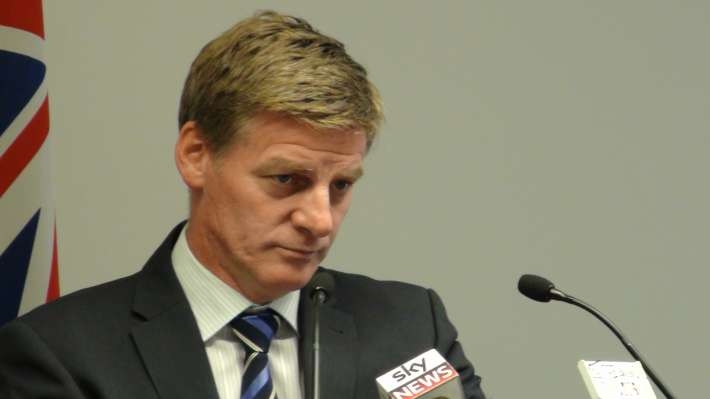
But despite the risks, New Zealand’s economy also faced a set of circumstances that provided the impetus for solid growth over the next four years, Finance Minister Bill English said.
The rebuilding of Christchurch, although delayed by aftershocks at Christmas last year, would be a key driver of domestic activity. New Zealand’s largest trading partners, Australia and China, were also forecast to maintain strong growth rates. New Zealand’s terms of trade were expected to remain at historically elevated levels on the back of demand from emerging markets for commodities.
Lower growth
GDP growth in the year to March 2012 is expected to come in at 1.9%, down from 2.3% expected by Treasury when it released its pre-election update in October last year. That will be followed by growth of 2.8% in the year to March 2013 (down from 3.4%), and 3.8% growth in the year to March 2014 (up from 3.3%).
The government expects to post a surplus of NZ$370 million in the 2014/15 year, although this is down from NZ$1.45 billion expected by Treasury in the pre-election update. The surplus would jump to NZ$2.242 billion in the 2015/16 year, which was down from a forecast for a NZ$3.076 billion in the pre-election update.
Government would keep net debt below 30% of GDP, with a peak of 29.6% in both 2014 and 2015 up slightly from a forecast peak of 29% in 2015 in the pre-election update. Net debt would be reduced to 20% of GDP in 2020/21.
Meanwhile, Treasury revised down its 90-day bank bill interest rate track over the next four years.
The 90-day bill rate is expected to be 2.7% in the March 2012 quarter, down from 2.9% expected in October last year. That’s set to rise to 3.3% in the March 2013 quarter (down from 3.7% forecast in October); 3.7% in the March 2014 quarter (down from 4.3%); 4.4% in the March 2015 quarter (from 5.0%); and 5.2% in the March 2016 quarter (from 5.3%).
Easier monetary conditions, if sustained, would provide some additional support to growth, although inflation pressures would come from an assumed fall in the exchange rate toward 2016, Treasury said.
We welcome your comments below. If you are not already registered, please register to comment
Remember we welcome robust, respectful and insightful debate. We don't welcome abusive or defamatory comments and will de-register those repeatedly making such comments. Our current comment policy is here.