
By Amanda Morrall
1) Be passionate
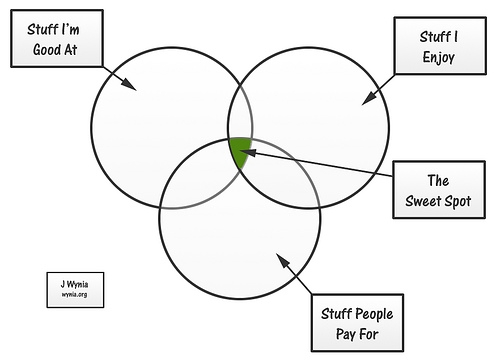
Do what you love and the money will follow right? Yeah, I'll take a bite of that cookie but with a healthy dose of reality. Making money from something you are passionate about is easier said than done because love alone won't cut it. You need to have a product that other people are going to love and find value in.
This guest blog posted on getrichslowly.org by Chris Guillebeau, author of the $100 start-up, hits the nail on the head and looks at some success stories from average folks following their passion. You might find it inspirational.
According to Mr. Guillebeau: passion + usefulness = value
2) Buddy up
Remember the buddy system? I do. When I was a ballet brat studying professional dance another life time ago in the Big Smoke (that was Toronto for us Canucks) I was buddied up with a beautiful "big sister" who took me under her wing. I worshipped her. Thanks to Facebook (it's good for a few things) I was reacquainted 25 years later. She is still the same gorgeous girl I knew and love and teaches pilates in Panama.
In the adult world, the buddy system morphs into mentorship. I've been lucky too in this regard.
This piece from the Huffingtonpost spells out the merits of having a financial buddy. This is a brilliant idea. Somewhere to share you goals with, check in with periodically and hold you accountable, or at least stay in your face.
3) Getting it right from the start
Making mistakes is a part of the learning process but there's a few mistakes I could do without financially. Not taking money seriously enough at a young age (when you can make a big impact on personal finance) is one of them.
This blog from squirrelers.com is loaded with juicy tips for young people starting out on their careers and financial journeys. Read it and pass it along to anyone you think could benefit.
4) Retirement
A while back KiwiSaver provider OnePath floated the idea of turning default funds (remember these are the conservative funds you are dumped into if you do not make an active choice in KiwiSaver) into "lifestages" funds. These funds are unique in that they automatically adjust asset allocation according to your age. There were some signs of interest from the Government at the time but nothing has come of it. Interestingly enough, default funds across the Tasman are all growth funds. This is in sharp contrast to New Zealand because their growth funds are heavily weighted in equities (shares) whereas our default funds are conservative and therefore heavily weighted in cash and fixed-income.
In the United States, there is also talk of moving toward "target date" retirement funds (similar to lifestages funds) so the asset allocation would adjust accordingly dialling back on equities and risk with age. Some food for thought on retirement trends and considerations in this Forbes piece.
For a primer on the different types of funds in KiwiSaver, see our explainer here.
5) Board of directors
I linked yesterday to an item from the Harvard Business Review outlining four essential steps for start-up businesses with a supplementary link to the Business Mentors New Zealand.
It prompted an email from the Institution of Directors, another resource that Kiwi businesses might want to avail themselves of. Here's the address.
To read other Take Fives by Amanda Morrall click here. You can also follow Amanda on Twitter@amandamorrall
We welcome your comments below. If you are not already registered, please register to comment
Remember we welcome robust, respectful and insightful debate. We don't welcome abusive or defamatory comments and will de-register those repeatedly making such comments. Our current comment policy is here.