
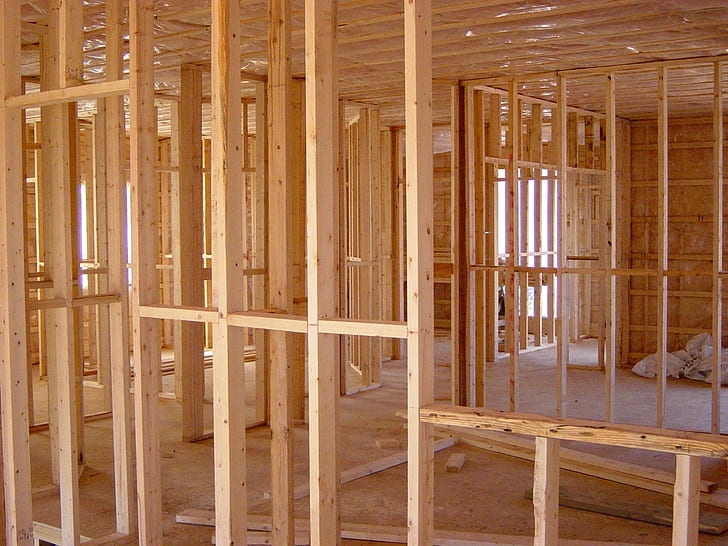
Residential construction costs have declined for the first time in 12 years, according to the Cordell Construction Cost Index (CCCI)
The Index tracks the costs involved in building a single story brick and tile, three bedroom house, including labour, materials, subcontracting services and plant and equipment hire (but not land) and reports the results quarterly.
The results showed a 1.1% decline in the June quarter of this year, the first time it has declined since the Index began in 2012.
The 1.1% decline in Q2 pushed annual cost inflation down to just 0.6% in the 12 months to June 2024.
"The downturn in workloads in the construction sector has eased the pressure on capacity and that’s flowed through to reduced building costs,” said Kelvin Davidson, the Chief Property Economist for CoreLogic which manages the Index.
“Coupled with a slowdown in the growth of average hourly wage rates, the flattening of building materials costs has also caused a reversal in trends from the rapid growth in construction costs in the past few years," he said.
The CCCI recorded falls across several important materials, including structural steel and kitchen joinery.
Costs for tapware and electrical light fixtures also fell.
Davidson said he had anticipated that growth in the CCCI would be subdued and wasn’t shocked at the falls given the construction industry’s soft operating conditions.
“Construction costs spiked during 2022 due to lingering COVID-affected supply chain issues, as well as a boom in construction activity as dwelling consents peaked around that same period,” he said.
“Those factors have all now been resolved with material supply back to normal, dwelling consents falling and the pipeline of jobs coming to completion.
"This has alleviated significant pressure on the industry, freeing up capacity and reducing costs," he said.
Davidson also said the increased availability of established properties on the market is likely reducing demand for new builds, giving home buyers a wider selection and more options.
“Elevated stock levels among existing property listings means fewer households are going down the new-build path. It’s also possible the higher cost of a new-build compared to an established property could also be a deterrent, especially when general household finances are tight,” Davidson said.
He added the recent changes to the Brightline Test and interest deductibility rules have also reduced the incentives for investors to look at new-builds.
The comment stream on this article is now closed.
•You can have articles like this delivered directly to your inbox via our free Property Newsletter. We send it out 3-5 times a week with all of our property-related news, including auction results, interest rate movements and market commentary and analysis. To start receiving them, register here (it's free) and when approved you can select any of our free email newsletters.
We welcome your comments below. If you are not already registered, please register to comment
Remember we welcome robust, respectful and insightful debate. We don't welcome abusive or defamatory comments and will de-register those repeatedly making such comments. Our current comment policy is here.