
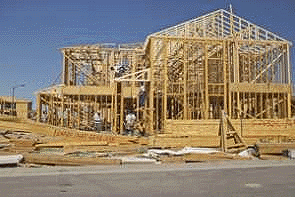
The growth in residential building consents issued in 2014 slowed noticeably.
A total of 24,680 new dwellings were consented in 2014 which was up +16% from 2013, Statistics New Zealand said today. (3,284 of these were apartments, up +36% from 2013.)
However the 2012 to 2013 growth was +26%.
The regions driving the increases in both years were Auckland and Canterbury.
The regions that consented the most new dwellings in 2014 were:
- Auckland – 7,595 (up +20% percent from 2013)
- Canterbury – 7,308 (up +27%)
- Waikato – 2,369 (up +5.5%).
The total value of building work consented in 2014 was $14.6 bln (up 21% from 2013). This consisted of:
- $9.5 billion of residential work (up +20% from 2013)
- $5.1 billion of non-residential work (up +21%).
The new non-residential floor space consented in 2014 could cover 377 rugby fields said Statistics NZ.
A feature of todays data is the under-weighting of the Auckland numbers.
In 2013 consent levels grew by 1,728 residences over the previous year. But in 2014 the growth was only 1,285.
Another region that is struggling to maintain building consent levels is the Waikato. The +5.5% rise in 2014 comes after a +24% rise the previous year.
Nationally, an extra 3,390 consents were issued to achieve the 24,680 level. That is slower growth than the 4,361 extra consents that were issued in 2013.
See the charts below for the full month by month regional breakdown of the number of consents issued:
Building consents - residential
Select chart tabs
----------------------------------------------------------------------------------------------------------------------------------------
 Our new free Property email newsletter brings you all the stories about residential and commercial property and the forces that move these huge markets. Sign up here.
To subscribe to our Property newsletter, enter your email address here. It's free.
----------------------------------------------------------------------------------------------------------------------------------------
We welcome your comments below. If you are not already registered, please register to comment
Remember we welcome robust, respectful and insightful debate. We don't welcome abusive or defamatory comments and will de-register those repeatedly making such comments. Our current comment policy is here.