
Transport Minister Michael Wood is suggesting temporary fuel tax cuts won't necessarily be removed gradually, as the Government indicated they would, when it unveiled the discount last month.
Speaking to journalists on Tuesday, Wood said the Government is still figuring out what it will do once the three-month discount period ends.
However he noted officials warned it would be difficult to gradually remove the discount, aimed at alleviating cost pressures associated with rising inflation.
Asked whether this comment suggested the Government might not in fact remove the discount gradually, Wood said, "I'm just noting what the advice is - that that's potentially more challenging. We really haven't gotten to the point of having detailed discussions about that.
"At this point in time, the policy is that the reduction is in place for three months and ends at the end of that period."
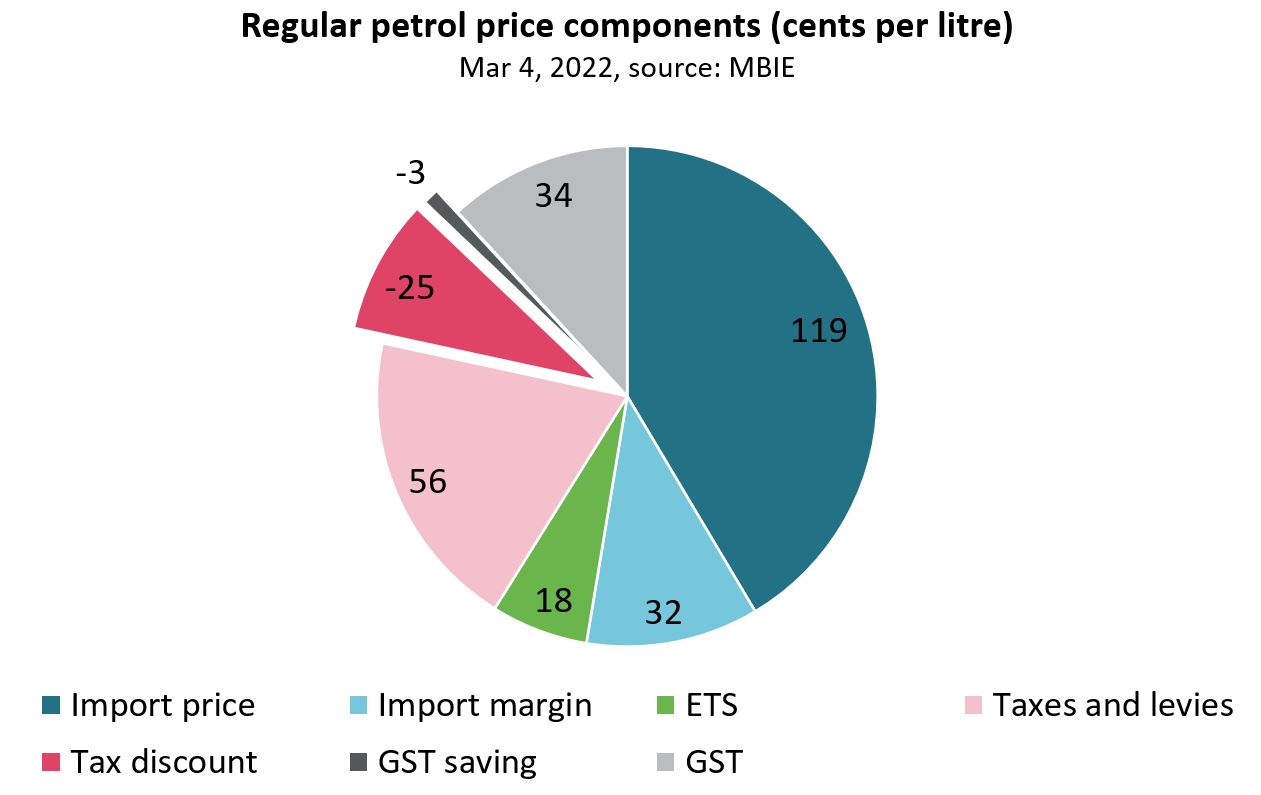
The Government on March 14 announced that as of March 15, it would cut the petrol excise duty by 25 cents per litre for three months.
It also said it would pass legislation to cut road user charges by an equivalent amount. Accordingly, as of April 21, a 36% reduction across all rates will be applied for three months.
The Government kept the door open to extending the discounts, expected to cost the Crown $350 million.
Asked whether motorists should temper their expectations around the longevity of the discount, Wood said, "What I would say to people is that we've been really clear this is a three-month policy at this point to provide relief as people are feeling the pinch, and people should set their expectations around that policy. But as we go forward, we continue to review the situation."
Wood couldn't say what sort of level fuel prices would need to be at for the Government to consider it necessary to continue to provide a tax cut.
"There's not a magic number," he said.
AA motoring policy principal advisor, Terry Collins, didn't have a sense of what the Government would do come June/July when the three-month discounts end.
"The only thing I'm sure of is that it will be a political decision," he said.
Collins noted gradually removing the petrol excise duty discount would be easier than doing the same for road user charges, as the latter requires legislative change.
But he said sanctions against Russia will only continue to put upward pressure on fuel prices.
Furthermore, he said international fuel inventories, which are being released by countries including New Zealand to try to suppress prices, are low. In fact, he said New Zealand only has 20 days' worth of petrol reserves in-country. Consultation is underway to up this minimum amount to 24 days.
Looking further down the track, Collins said fuel users' contributions towards the Emissions Trading Scheme will also need to rise.
Hence he saw the culmination of war and the need for the world to respond to climate change as creating "highly inflationary pressures".
"I'd just about guarantee my house fuel prices won't go down substantially," he said.
Oil and Petrol
Select chart tabs
Example of how the tax cut affects the petrol price
We welcome your comments below. If you are not already registered, please register to comment
Remember we welcome robust, respectful and insightful debate. We don't welcome abusive or defamatory comments and will de-register those repeatedly making such comments. Our current comment policy is here.