
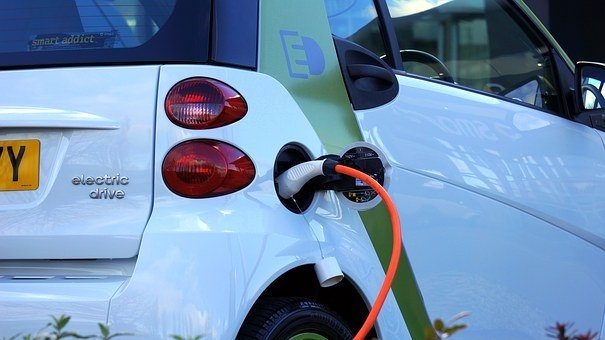
The Government wants to have an electric vehicle (EV) charging centre in every town with a population of 2000 or more.
This was announced in Thursday's budget.
It will also expand the national network of EV charging hubs – each containing up to 20 chargers – by 23, bringing the total up to 25 hubs. These will be done in conjunction with the private sector.
The aim is to make sure there is a charging hub every 150–200 kilometres on main highways and a public charger for every 20-40 EVs in urban areas.
The cost of this will be $120 million over four years.
“We’re making sure there are more locations for people to ‘tank up’ their EVs,” says the Minister of Energy and Resources Megan Woods.
“We’ll also ensure rural and regional communities have more options to charge up EVs so a lack of chargers is no longer seen as a barrier to electric vehicle adoption as we decarbonise our energy system.”
The Government believes emissions from light vehicles are the single largest source of transport emissions in New Zealand, partially due to the presence of many older and comparatively dirty cars on the roads.
“This costs Kiwis at the pump and is damaging to our health and the environment,” says Transport Minister Michael Wood.
“Switching to EVs would be like buying petrol for 40c a litre, which will make a big difference for household budgets.”
In addition, there is a programme to improve the environmental standards of heavy vehicles like trucks and buses. The aim is to get about 500 low emission heavy vehicles onto New Zealand’s roads, at a cost of $30 million over three years.
We welcome your comments below. If you are not already registered, please register to comment
Remember we welcome robust, respectful and insightful debate. We don't welcome abusive or defamatory comments and will de-register those repeatedly making such comments. Our current comment policy is here.