
The Ministry for Regulation says not enough work has been done to assess the possible impacts of the Treaty Principles Bill for it to be passed into law.
Act Party leader David Seymour is the Minister responsible for both the Regulation Ministry and the Treaty Principles Bill, which is part of his Associate Justice portfolio.
A regulatory impact statement (RIS) prepared by the Ministry of Justice failed a quality assurance test undertaken by a panel with members from both the Justice and Regulation ministries.
It said that ministerial direction—from Seymour—and time constraints had limited the range of policy options that could be considered and the depth of the analysis done.
In-depth analysis should involve testing the assumptions underpinning the problem definition, investigating unintended consequences, and undertaking consultation.
“The panel considers that full consultation on a broader range of options is required for the analysis to be considered complete,” an assessment of the RIS said.
While some “proxies” had been consulted, that was not sufficient given the “constitutional significance of this proposal” and its impact on the Crown–Māori relationship.
The impact assessment that was possible within the limited scope had been done well, they said. Justice officials' advice was that neither the status quo or the proposed bill would fully achieve the stated objectives.
“The panel’s view is that should this Bill proceed to enactment, more consideration would need to be given to implementation issues and addressing the risks identified in the RIS.”
Duncan Webb, the regulation spokesperson for the Labour Party, said Seymour was failing to live up his own standards of good regulation.
“[He] has failed to act on the advice [of] his own Regulatory Impact Statement on the Treaty Principles Bill [saying it] does not meet the very quality assurance criteria he has oversight of.”
“The Ministry for Regulation is a joke if its own minister won’t stick to its rules,” he said in a press release.
In a statement, Seymour said the Coalition was committed to strengthening regulatory analysis but only where it was relevant.
“That means where the Government is placing restrictions on the use and exchange of private property the relevant people should be asked. Over this term of Government you’ll see RIA revamped and refocused on what matters,” he said.
“I’m glad Labour are paying attention to Regulatory Impact Analysis, although it would have been even better if they’d done it when they were in Government.”
Principles of Politicking
The Treaty Principles Bill has been proving a headache for Prime Minister Christopher Luxon who has been forced to constantly reiterate that he does not support the proposal.
However, he has committed to voting in favour of the Bill when it is first introduced to Parliament in November. This will allow it to go to a six month select committee process, where the public will be able to share their views.
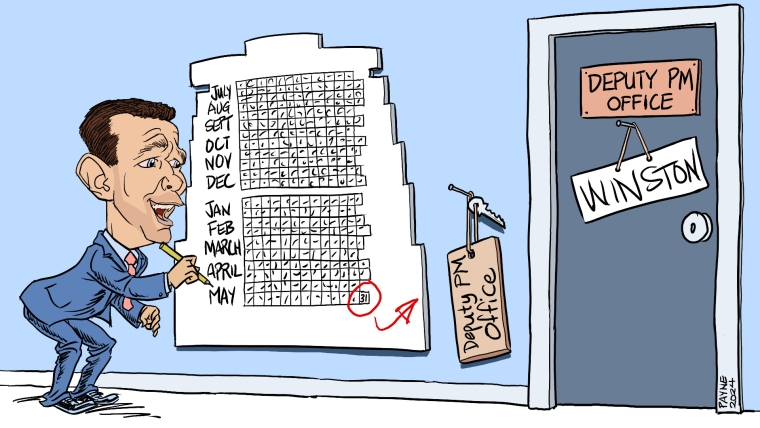
Luxon has sworn the National Party will vote down the Bill at its second reading, likely in May 2025, around the same time as Seymour gets a turn to serve as Deputy Prime Minister.
The trouble may not end there, however, as supporters of the Bill could push for a citizen-initiated referendum which would keep the debate alive for the 2026 election.
A petition signed by 10% of enrolled voters can trigger a referendum. The Act Party alone secured 8.5% of votes in the 2023 election, plus there are likely New Zealanders who voted for other parties but who support the proposal.
In 2023, a Curia–Taxpayers’ Union poll found 45% of respondents wanted a referendum on the Treaty Principles Bill and only 25% opposed the idea.
Support for the referendum may be partly due to its uncontroversial sounding principles, which simply say the Government has the right to govern and must treat everyone equally.
However, critics of the Bill warn it would effectively nullify the Treaty of Waitangi and erase the rights negotiated by Māori in exchange for allowing British settlers and law into New Zealand.
We welcome your comments below. If you are not already registered, please register to comment
Remember we welcome robust, respectful and insightful debate. We don't welcome abusive or defamatory comments and will de-register those repeatedly making such comments. Our current comment policy is here.