
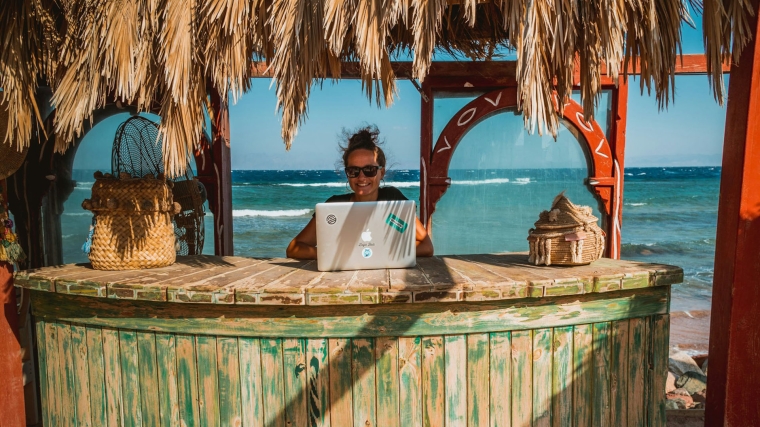
New Zealand has introduced new visa rules that allow tourists to work remotely for their home countries for up to 90 days, aiming to boost the country’s economic activity.
This is the first policy announced under Nicola Willis' new Economic Growth portfolio and is expected to be one of several changes to economic policy aimed at maximising output.
In a recent speech, Prime Minister Christopher Luxon said the coalition government would focus on economic growth in 2025 and called for “a lot less no and a lot more yes”.
Reflecting the new approach, this decision doesn't create a new visa category but simply allows regular visitors to work remotely for their home countries if they choose.
In a press conference at Wellington Airport, Willis told reporters that having high-income earners stay longer in New Zealand would support local hospitality businesses and indirectly boost the Government’s tax revenue.
“I'm looking forward to some extra GST coming through, because every time a visitor shops at a local shop or buys dinner at a local restaurant New Zealand has received GST off that spending, not to mention the jobs that support in local cafes and restaurants,” she said.
“We’re still not at the tourism numbers we were able to have in 2019, we want those numbers higher, and we're sure that this new visa will attract a whole new group of people”.
In addition to increasing tourism numbers, Willis said many people who were able to work remotely in this way were ultra-high skilled workers employed by innovative companies.
“We want more of the world's wealthy and super-talented people coming in the arrival gates behind us. We hope that in some cases, it will encourage those people and the firms they represent to consider doing more business with New Zealand in the future,” she said.
Immigration NZ will begin with a $100,000 advertising campaign, aiming to attract IT workers from the United States and South East Asia, to gauge demand before expanding.
Digital nomad visas have sparked controversy in other countries. Places such as Portugal and Mexico have seen an increase in rental prices after an influx of well-paid remote workers shifted into desirable locations.
Other areas have complained digital nomads use public services and infrastructure without paying income taxes to support it. While they spend some money in the local economy, it doesn’t automatically translate into sustainable economic development.
Countries with longer-term digital nomad visas, often up to a year, and lower incomes, have faced more challenges. New Zealand only plans to offer 90 days and has a more developed economy than Mexico or Barbados, which have had issues with their visas.
New Zealand welcomed 3.3 million international visitors in the year ending November 2024, which was an increase on the prior year but still below the 3.9 million who visited in 2019.
We welcome your comments below. If you are not already registered, please register to comment
Remember we welcome robust, respectful and insightful debate. We don't welcome abusive or defamatory comments and will de-register those repeatedly making such comments. Our current comment policy is here.