
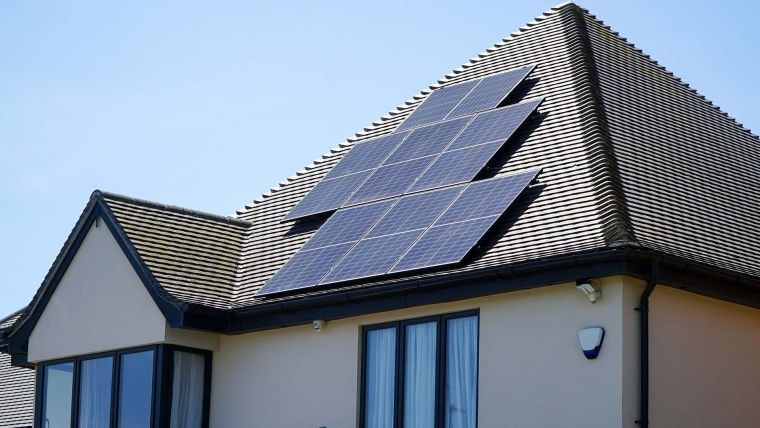
The National Party is promising to introduce a Home Energy Fund to allocate low-interest, long-term loans to encourage households to switch to solar power.
It would be repaid through rates, "so households can invest in solar, batteries, insulation and other energy resilience measures without the large upfront costs", energy spokesperson Simeon Brown said.
"It also means a stronger, more resilient energy system that gives New Zealanders access to a wider and more reliable mix of power when weather events or global shocks put pressure on supply."
National's finance spokesperson Nicola Willis said it would cost $7 million upfront to the Crown to make the equity investment in the Home Energy Fund.
"That's based on work that Local Government New Zealand has done."
A National Party spokesperson said the exact interest rate and term would be confirmed at the time the fund would be set up, but it was anticipated the rate would be about 2% below floating rates.
The loans were intended to be long term, with 10 years as the possible start point with no penalties for early repayments. The local government scheme the fund was inspired by looked to structure the loans over 20-30 years.
Labour energy spokesperson Megan Woods said while there were "many positives to this scheme, our concern is what has been announced today from National is very narrow, that what it does is it supports those people that own a home," and missed the large number of people who rent.
"If you want to be [the] government of this country, you've also got to have thought a little bit more deeply and thought about what you can do to support the third of New Zealanders who rent their houses."
Asked what Labour would do to support those renters, Woods did not answer but said they would be releasing their energy policy soon.
Willis described the scheme as a "great incentive" for landlords, who would "improve the value of their property, and I think make it more attractive to their tenants."
"This is a scheme that we hope will increase solar generation for New Zealand, will give more homes the ability to generate their own affordable electricity and will lead to more energy security and resilience."
National's local government spokesperson Simon Watts said the fund would allocate low-interest loans, secured against their property, "without the big upfront cost and instead pay it off through their rates over time as they save on power bills".
Upgrades would include rooftop solar and batteries, heat pumps, insulation and efficient electric appliances.
Local Government New Zealand (LGNZ) welcomed the policy proposal.
Inspired by the local government-led Ratepayer Assistance Scheme (RAS), LGNZ chief executive Scott Necklen said the proposal; "shows the potential for local government to deliver ratepayers meaningful solutions when
"The RAS also has the potential to help ratepayers manage upfront council charges like rates and development contributions/levies by converting them into affordable payments over a longer period of time."
We welcome your comments below. If you are not already registered, please register to comment
Remember we welcome robust, respectful and insightful debate. We don't welcome abusive or defamatory comments and will de-register those repeatedly making such comments. Our current comment policy is here.