
sign up log in
Want to go ad-free? Find out how, here.

The Opportunity Party's polling above the key 5% MMP threshold. If this holds until the election, who will the party bring to parliament?

Public Policy / news
The Opportunity Party's polling above the key 5% MMP threshold. If this holds until the election, who will the party bring to parliament?
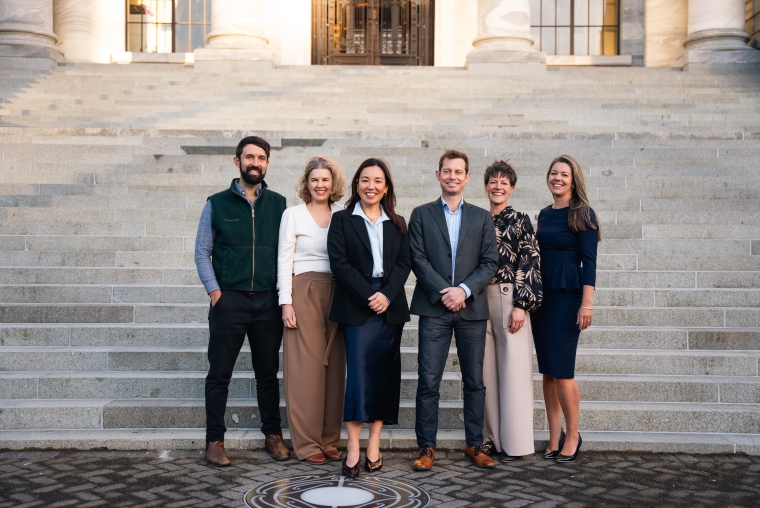
Opportunity Party's top six candidates. Supplied.

As the election nears and the latest political poll puts Opportunity Party on a trajectory of six seats in Parliament, interest.co.nz looks at the top 10 candidates on the party's list for November 7. 

#1 Qiulae Wong
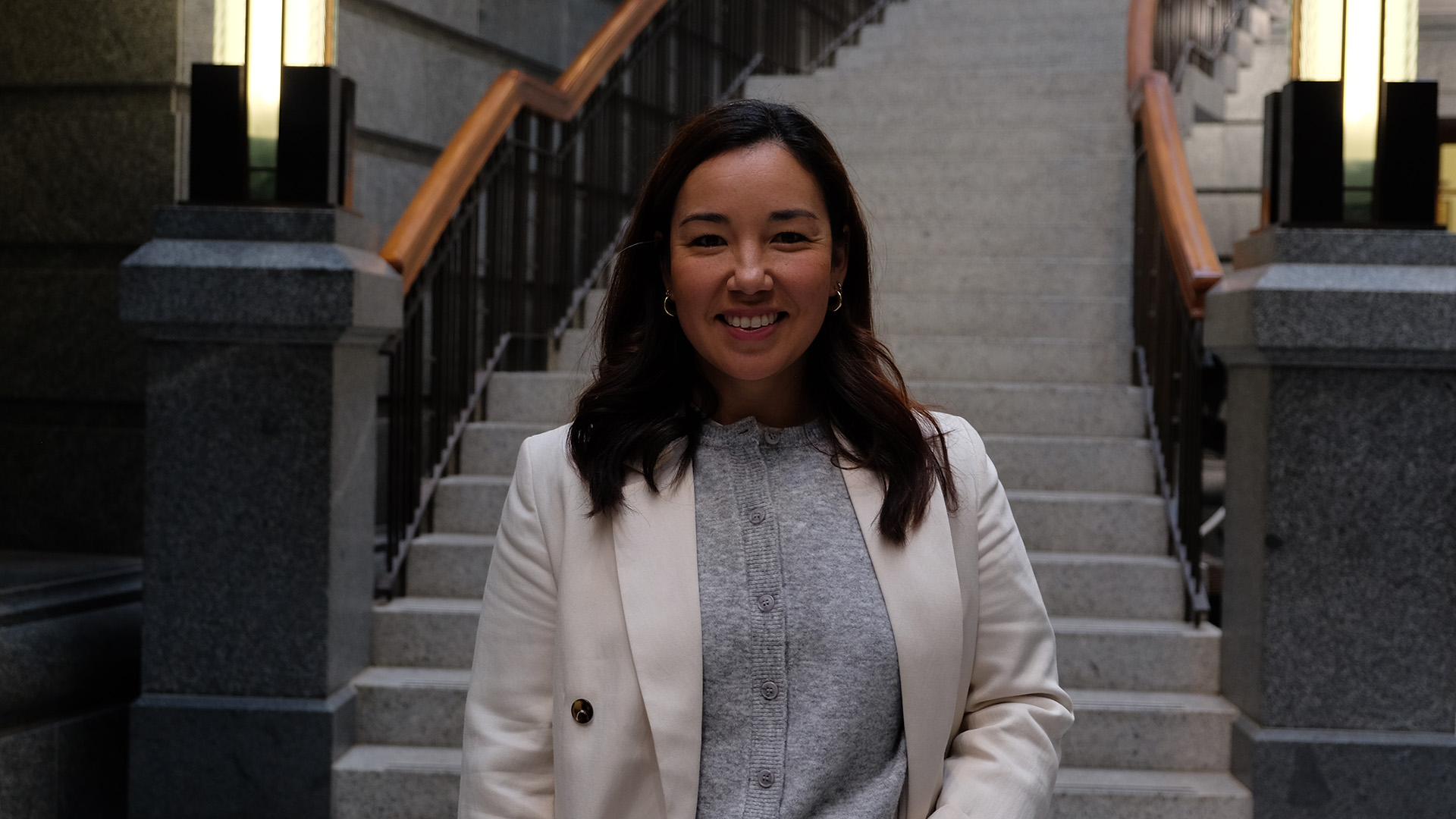
Opportunity Party leader Qiulae Wong. Image source: Mandy Te


Also known as 'Q', Wong is the Opportunity Party's leader running in Mount Albert, who was working at KPMG on sustainability and climate consulting before landing the role. While the role was advertised on Seek, Wong applied after seeing it on a party newsletter, saying she was frustrated at the change in direction the Government had taken around climate legislation and what that meant for the business community.

Wong said her upbringing being surrounded by "lots of different people from different walks of life" had "shaped my view that different perspectives are really valuable, and that coming at a particular problem from one perspective all the time is not a useful approach."

"And I’ve seen that in my business career as well. That the more diversity that you have of people within an organisation, the better decisions you make.”

As for her personal voting habits, she said she has voted across the political spectrum.

#2 Daniel Eb 
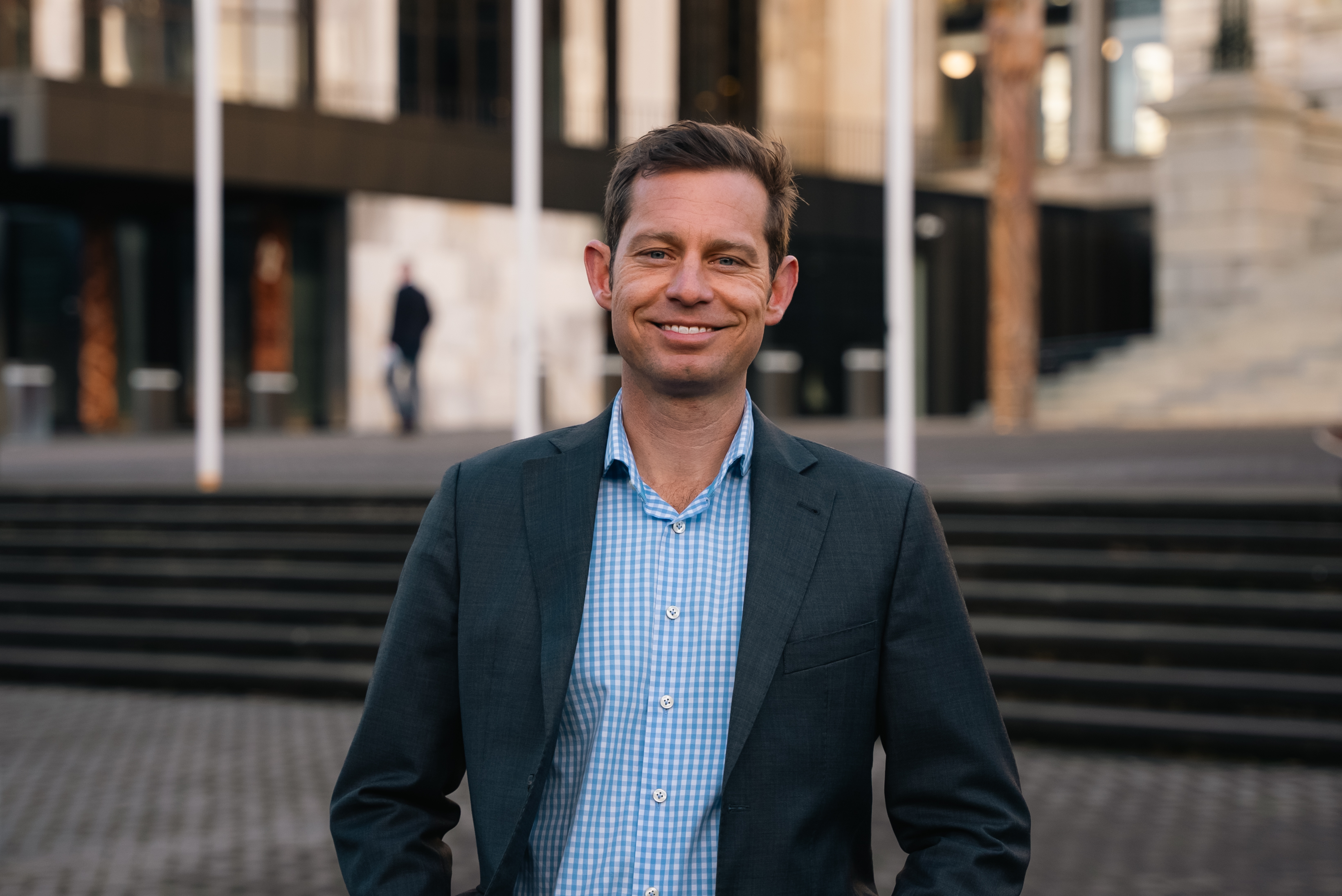
Daniel Eb - Supplied.


Opportunity deputy Daniel Eb (who until recently was the party's communication lead, before party general manager Iain Lees-Galloway took over), is running in Kaipara ki Mahurangi. He founded the company 'Open Farms' - a project to open up farms so the urban public could experience farm life and where their food came from, a writer's collective called 'Eating the Elephant' and a rural innovation communication agency.

#3 Jessica Hammond 
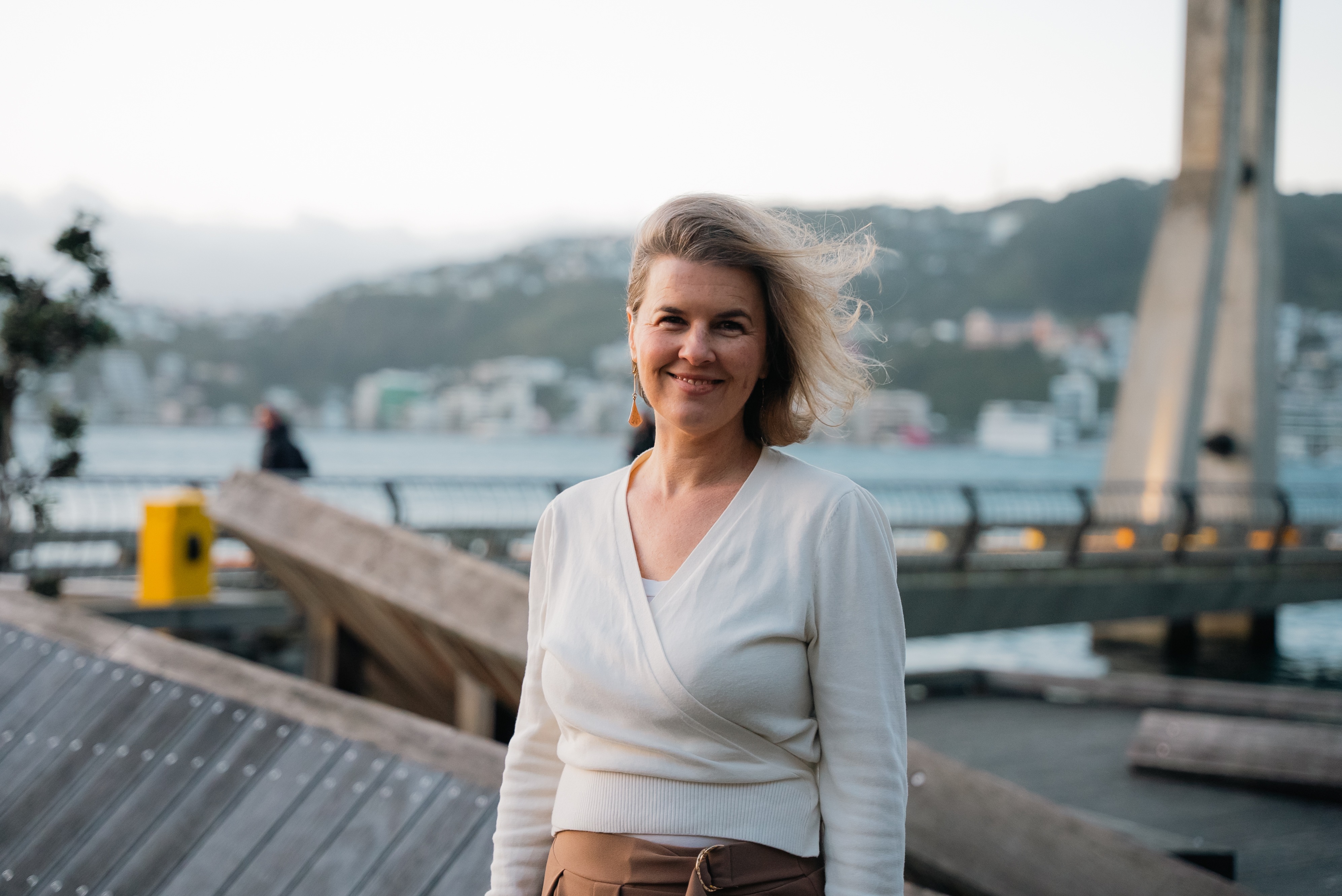
Jessica Hammond - Supplied


Running for Wellington North, Hammond ran for the then-Opportunities Party in the last three election, joining the party under founder Gareth Morgan. Hammond is a public servant, working on areas such as transport infrastructure and disability legislation.  

#4 Kayla Kingdon-Bebb
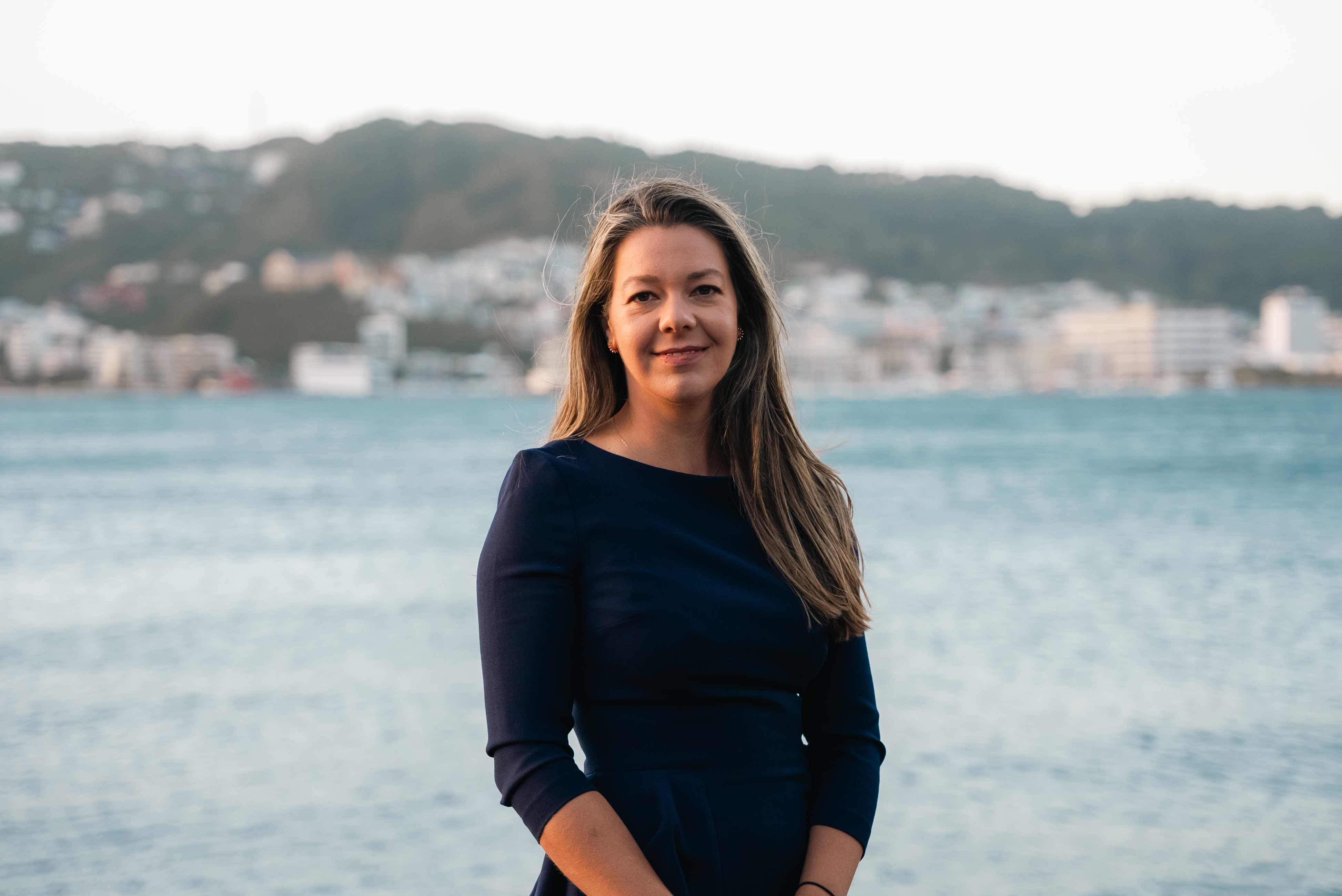
Kayla Kingdon-Bebb - Supplied


Kayla Kingdon-Bebb, the CEO of World Wide Fund for Nature New Zealand (WWF-New Zealand), is running in Wellington Bays. 

Kingdon-Bebb has stepped back from direct political and media engagement at WWF, taking unpaid leave from August for the campaign. She also worked at the Ministry for the Environment and as Director of Policy for the Department of Conservation.

#5 Eden Skipper
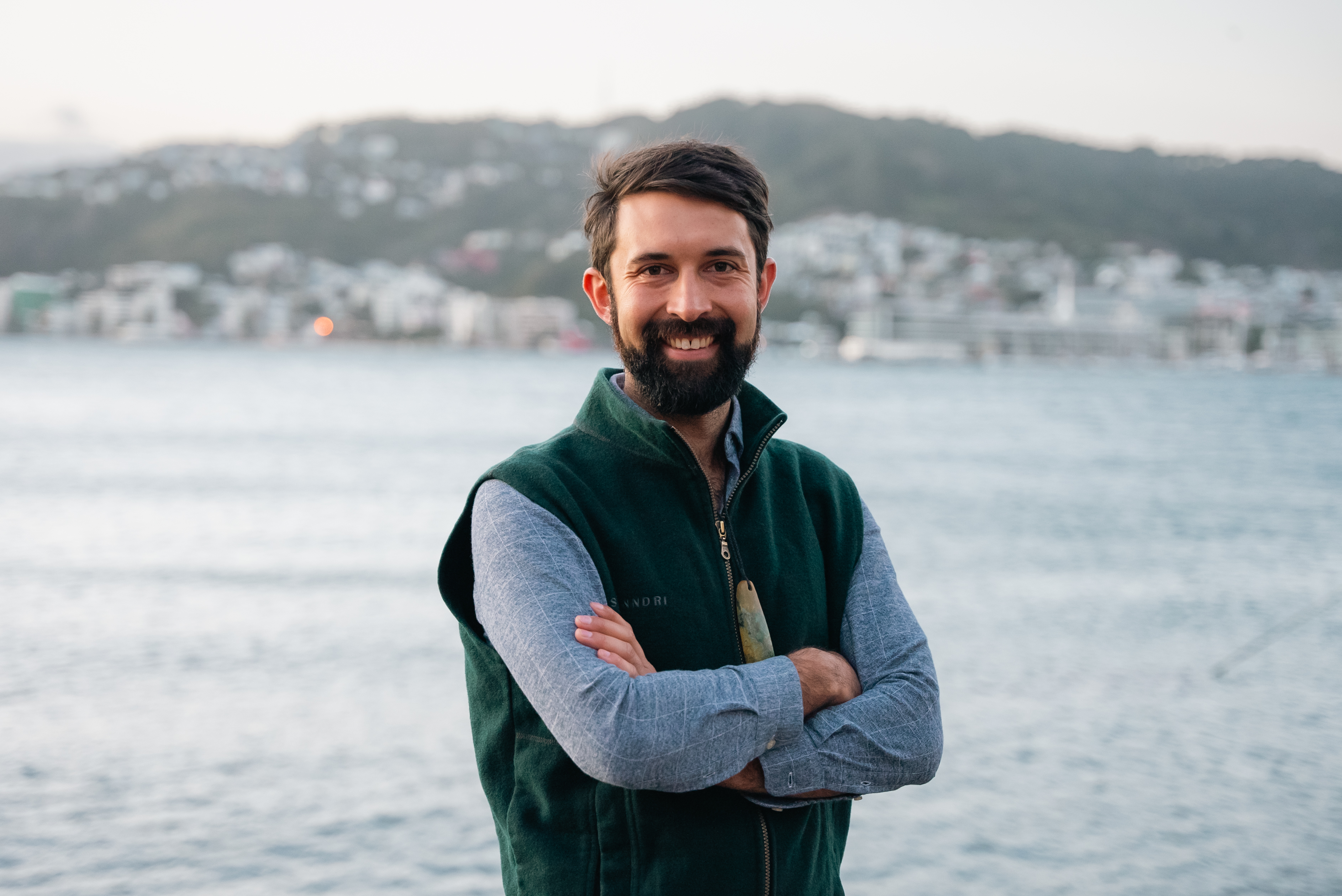
Eden Skipper - Supplied.


Eden Skippier, running for Christchurch Central, is a research assistant at the University of Canterbury on Māori business and the political economy. Skipper previously worked at the Ministry for Primary Industries. 

#6 Jodie Kuntzsch
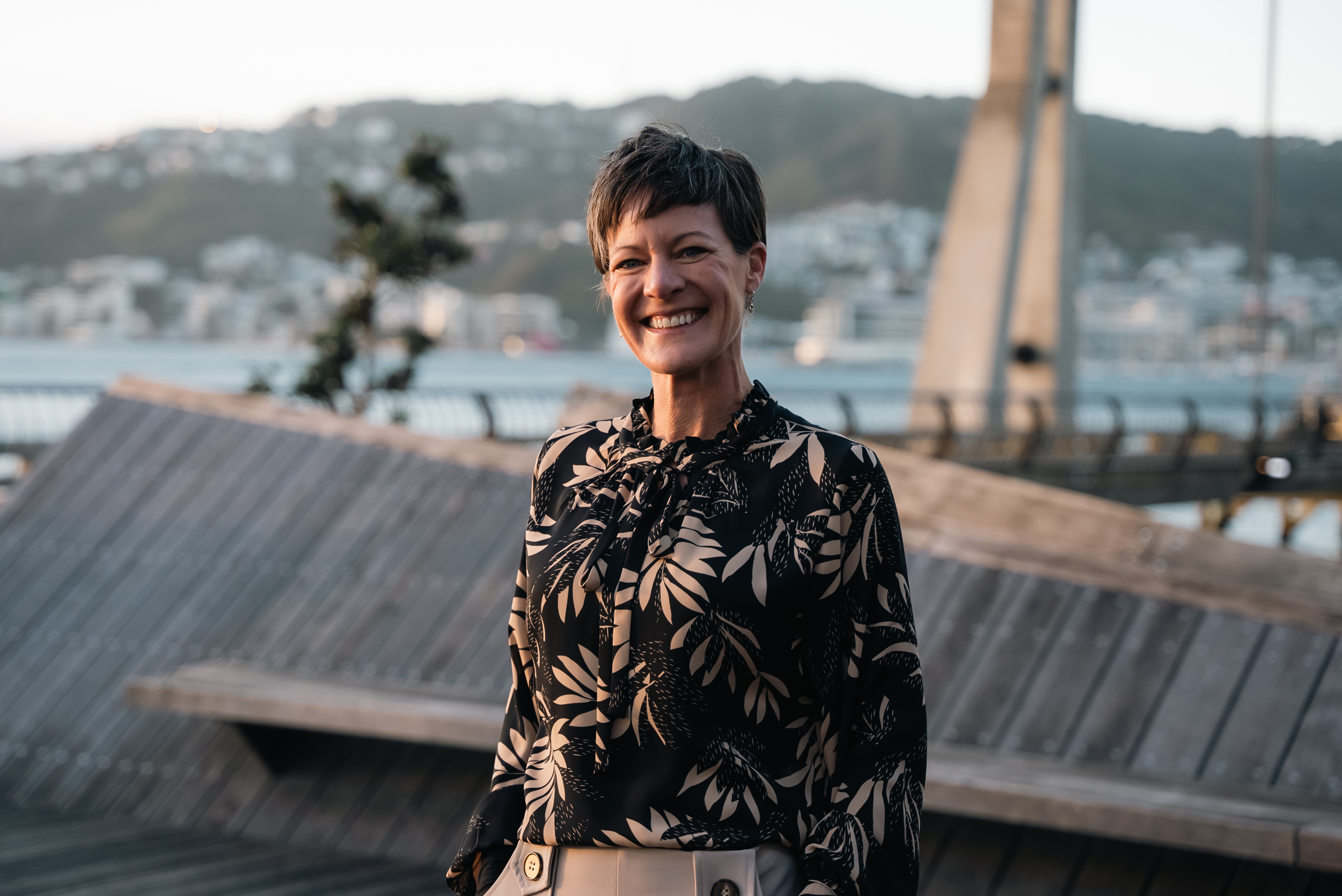
Jodie Kuntzsch - Supplied.


Jodie Kuntzsch, who is running in Nelson, works in the seafood and aquaculture sector. Kuntzsch has experience in consulting in the seafood industry, creating 'blue economy' organisation Moananui.

#7 Sarah Lucas 
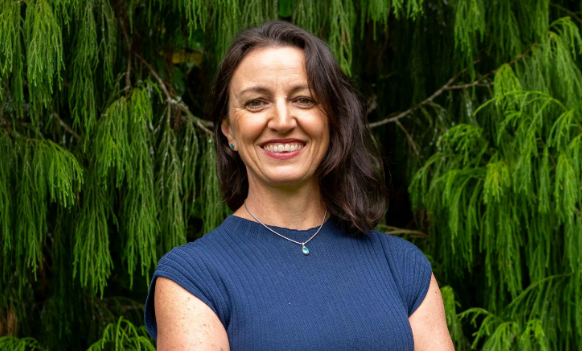
Sarah Lucas - Supplied


Standing in New Plymouth, Sarah Lucas is a consultant and small business owner of 'Be Natural Soap', with local government experience. 

#8 David Bainbridge-Zafar 

Dave Bainbridge-Zafar - Supplied


Gore District Council's general manager of operations David Bainbridge-Zafar is running in Dunedin. He chairs the Dunedin Fringe Arts Trust, and previously worked at the Dunedin City Council and Health NZ.

#9 Holly Knill
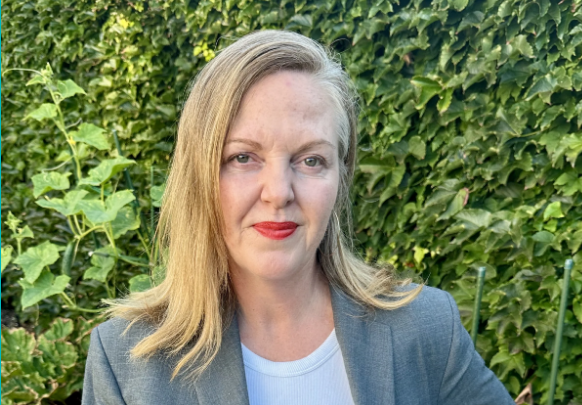
Holly Knill - Supplied


Holly Knill, running in North Shore, is a business consultant and was previously chief consumer officer at 2degrees. 

#10 Pāpā Wharewera

Kaperiere "Pāpā" Wharewera


Kaperiere 'Pāpā' Wharewera is the Opportunity candidate standing in Waiariki. He has experience in local government and small business. 

The party's full list of candidates is here.

We welcome your comments below. If you are not already registered, please register to comment

Remember we welcome robust, respectful and insightful debate. We don't welcome abusive or defamatory comments and will de-register those repeatedly making such comments. Our current comment policy is here.

24 Comments

A fair traverse. Indeed, I've never seen a wider trawl. 

One wonders how long before internal ructions, but...

Up
5

For the sake of clarity:

TOP Board, who under their constitution have veto power over MPs caucus decisions  - possibly illegal so now being rescinded.

https://www.opportunity.org.nz/opportunity-board

...& GM Ian Lees-Galloway 

https://thespinoff.co.nz/politics/16-02-2026/iain-lees-galloway-on-crashing-out-of-parliament-and-his-new-opportunity


Up
6

Executive oversight and a second chance at a political career. And?

Up
1

Now please do the same for the other fringe parties, ACT, NZF, TPM, Greens!

Up
7

Coming soon!

Up
7

What plans does Canadian Kayla Kingdon-Bebb have for us? 

'Kayla Kingdon-Bebb co-authored He Puapua, the framework for activating the United Nations Declaration on the Rights of Indigenous People. Recent wide opposition to conservation land disposal will have made her later role in designing a He Puapua-type future for the conservation estate discomfiting for the party. 

Recommendations of the independent Options Development Group, run by Kingdon-Bebb, who has a ‘professional interest in Indigenous rights’, were published by the Department of Conservation in 2022. The first is to “Undertake a fundamental reform of the conservation system as a whole.” It includes replacement of all the DOC-administered acts, including the National Parks Act, “to honour Te Tiriti and provide for the meaningful exercise of rangatiratanga and kaitiakitanga by tangata whenua…” 

If implemented, it would be the most significant wholesale change to public land since the structural reforms of the late 1980s. The terrestrial conservation arena is one third of the country’s land.

At present, New Zealanders have equal stakes in our loved open-access public conservation estate. There, science-led protection of nature comes first, fostering a kaleidoscope of recreational endeavours that, among other things, help power our sense of nationhood. 

Those settings would be ended by the work Kingdon-Bebb fronted for the ODG.'

https://www.brashandmitchell.com/post/spaniard-opportunity-party-what-o…

Up
4

Is that an OP policy? 

Up
4

Thats irrelevant, its blatantly obvious where her agenda & efforts will lead. Look at her track record and judge people by what they do not what they say.


Up
5

Better or worse than Gun & Tobacco stooges?

Up
16

A haystack of strawmen isn't the point, its transparency. People have a right to vote for those who best represent them & their values. Whether you or I agree with them or not.

Up
5

Yea you are right, a bit of transparency in parliament would be nice. Open up about what some of those donations are buying. Tobacco, fish gambling etc.

Infact OP have a policy on that, glad to know you're a supporter.

Up
14

Winston wouldn't be silly enough to put it through donations, more easily private back hand details for positions in the company or other shady exchanges...

Up
1

That's a rather large accusation. 

Up
3

What actions are to be judged? And presumably afraid of?

Up
4

Well you can’t can’t knock their environmental credentials. Would be refreshing to have a party focussed on the environment and sustainable business with the Greens forgoing that role for the past couple of decades. 

Up
17

Very hard to find productive backgrounds of widgets or services which Jo Kiwi needs or would pay for.

Consultants, policy jobs etc don't cut it. 

Up
5

I checked out the economic policy and I don't see anything that even comes remotely close to addressing the fundamental reforms needed to rescue our economy from the impending meltdown of the Western-centric fiat-Ponzi, and our debt-bondage doom-loop.

There is ZERO mention of the fact that over 95% of NZ's Money Supply is created out of thin-air as a debt-instrument, and that accordingly hundreds of billions of dollars, in the form of unearned economic rent, are lost out of our domestic economy to a monopoly-cartel of giant international banking corporations.

In fact over the last 35 years $508.7 billion was lost in the form of dividends, interest, and profits remitted overseas - a truly mind-boggling sum of money - NB, the vast majority of our broad money supply (M3) is created out of thin air by commercial banks when they write up loans. 

This party looks like a green shade of the customary neoliberal status quo dressed up in drag costume to me. 

For TOP to ignore the monumental level of this wealth heist in their economic policy is to me an obscene misrepresentation of the very party name itself. 

Either the candidates are blissfully unaware of these facts, or are comfortable with the banking status quo and the ongoing wealth heist - in which case, either way, none of them should be running for office anyway.  

Up
3

The massive ongoing wealth heist from NZ society - the daylight robbery that neither TOP, nor any of the encumBENT parties dares to admit.... 
 

Retaining the Wealth Engine: A Macroeconomic Transformation

The financial landscape of New Zealand is defined by a structural vulnerability where nearly all circulating money is created as an interest-bearing debt instrument by commercial entities.

Because the domestic banking landscape is dominated by international mega-banks, a staggering fifty-two billion dollars is pulled from local households and businesses each year through net profits, corporate dividends, and raw private debt servicing.

Transitioning this sprawling framework into a unified public utility model would immediately plug this multi-billion-dollar leak.

By legally retaining this vast pool of wealth entirely within the domestic production loop, the nation would anchor eleven percent of its gross domestic product inside its own borders, laying the groundwork for an unprecedented expansion of sustainable societal wealth.

Erasing the Household Debt Burden and Boosting Disposable Income

The most immediate impact of a public utility banking framework would be felt at the kitchen tables of everyday New Zealanders.

Under a system designed to operate on a break-even public service model rather than maximizing returns for offshore shareholders, interest rates on residential mortgages and personal loans could be stripped down to bare operational margins.

Removing the massive profit markup means that a significant portion of the forty-one billion dollars currently spent on servicing private debt would instantly stay in the pockets of Kiwi families.

This structural shift would function as a permanent, untaxed pay rise for the working population, dramatically lowering the cost of living, alleviating severe financial stress, and allowing families to build genuine, long-term personal equity rather than transferring their labor value to international corporate balance sheets.

Industrial Cost Collapse and the Productive Economy Renaissance

For generations, New Zealand businesses have struggled against a high cost of capital that restricts their ability to scale up and compete globally.

A public utility banking model would completely rewrite this dynamic by providing domestic industries with low-cost, targeted credit lines.

Freed from the burden of high-interest debt servicing, local manufacturers, tech innovators, and sustainable agricultural enterprises would experience a massive drop in operational costs.

This newfound financial breathing room would trigger a wave of investment in high-tech machinery, local research, and clean energy upgrades.

Instead of fuel-injecting property speculation as private banks often do, a state-and-community-directed credit model would actively channel capital into productive, high-wage sectors, turning New Zealand into a highly self-reliant and resilient industrial economy.

Financing Sovereign Infrastructure and Eliminating Regressive Taxes

If the public utility framework chose to keep collecting a portion of the traditional interest margins to fund the state, the retained fifty-two billion dollars would act as a legendary sovereign wealth engine.

This annual cash injection is so vast that the government could fully fund the construction of modern hospitals, schools, and rapid rail networks out of cash reserves, completely eliminating the need to borrow money from foreign capital markets.

Furthermore, because this captured wealth exceeds the total annual revenue generated by consumer taxes like the Goods and Services Tax, the state could entirely abolish GST.

Removing this regressive tax would immediately drop the price of everyday goods by fifteen percent, giving low-income households an incredible economic boost and radically shifting the tax burden away from daily survival.

Cultivating Generational Wealth and Regional Resilience

A public utility model would fundamentally change how wealth is distributed across New Zealand's geography.

Traditional commercial banking structures systematically drain capital out of small regional towns and concentrate it in major financial hubs or offshore headquarters.

 A utility model built on regional trust networks and community savings hubs ensures that money generated in a province stays in that province to fund local projects, community housing initiatives, and eco-friendly farming transitions.

By anchoring capital locally, the financial system would protect vital regional infrastructure and shield communities from global financial shocks, ensuring that societal wealth is not a fleeting monthly transaction but a stable asset passed down safely to future generations of New Zealanders.

Up
2

Generally the same candidate backgrounds as the other political parties, with most from political-adjacent areas like academia, administration, politics, activism, corporates and the like.

There are, as is now usual in politics, notable gaps from the STEM sciences, industry, farming, trades and other data-driven activities.

So: are we really expecting change?

"We cannot solve our problems with the same thinking we used when we created them.”

— Often attributed to Albert Einstein

Up
10

Step back one - bigger picture.

Is it possible to morph THIS political structure, to a sustainable one? 

The answer is NO. 

It took me a decade of reading, thinking, reading more - to get to that point. We have built an unsustainable network of everything, based on resource draw-down (and increasing entropy). That includes our leadership structure. 

Up
3

Heaven forbid this lot get near the levers of power. A motley left of left bunch with a very questionable land tax and UBI policy. They've really done a good marketing (conning) campaign with some admiration from MSM and a few odd ball economists.

Up
3

Heaven? 

Interesting subliminal. 

The current mob are soaking up the remaining planet for themselves - I suspect this mob, generally speaking, resent that. And the people doing that. 

Up
4

Some people are aware of this expression. "The origin of the phrase “heaven forbid” can be traced back to ancient times when people believed that gods controlled everything on earth. The phrase was used as a way to ask for divine intervention or protection from harm. Over time, it evolved into a common expression used by people who wished to avoid negative outcomes."

Perhaps " Entropy forbid." would more meaningful to you.

Up
0

TOP = Green Party 2.0

Up
0