
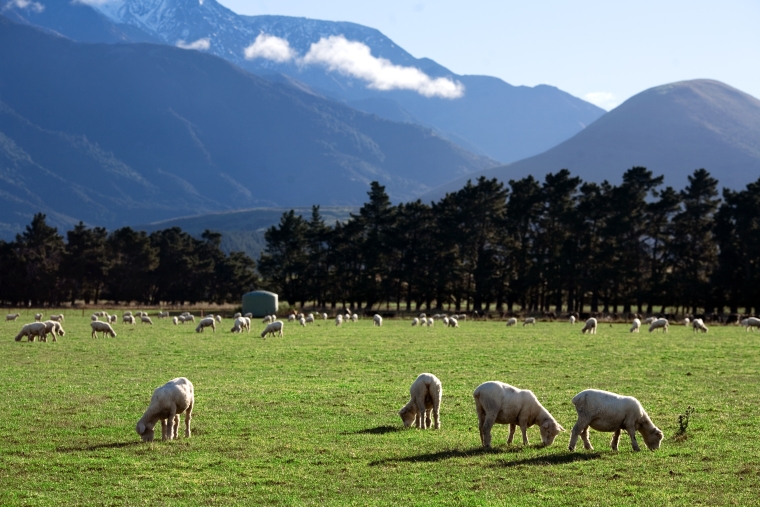
Farm profits in the red meat sector are forecast to fall 54% in the 2023 -24 financial year.
Looking back further, the fall is 67% since the 2021-22 year.
Average farm profit is put at $62,600 per farm before tax, which brings farmers’ earnings down to the lowest levels since the 1980s, excluding the Global Financial Crisis.
This information comes from Beef + Lamb New Zealand’s (B+LNZ) Mid-Season Update 2023-24.
It says times are tough, and farmers will have to dig deep to stem the danger of widespread cash losses in the sheep and beef sector.
“The outlook for 2023-24 has worsened significantly since our forecasts in October, because there has been no recovery in China, and Australian exports of red meat have been bigger than originally forecast,” the report says.
“An excellent lamb crop last spring has meant there are more lambs to sell, but this cannot compensate for lower per head prices and unavoidably high costs.”
The report says China’s slow economic recovery is aggravated by increased supply from Australia, which is depressing prices.
“As a result, the forecasts for lamb and mutton prices for the season have been revised downwards,” the report says.
“The annual weighted average for all classes of lamb for 2023-24 is estimated at 651 c/kgCW (carcass weight), down 12% on 2022-23 and 13% lower than the five-year average.
“The annual weighted average of all classes of mutton for 2023-24 is estimated at 241 c/kgCW, down 34% on 2022-23 and 49% lower than the five-year average.”
This would reduce New Zealand’s export receipts for lamb and mutton by 4.8% and nearly 20% respectively.
Meanwhile, the problems for beef are far less than those for sheep meat.
This sector is being helped by demand in the US, where meat processing volumes are lower as farmers rebuild herds that had been driven down when an earlier drought dried up the supply of feed for the animals.
The all-beef forecast is 2.9% down on last year, but is still 2% higher than the five-year average.
The report adds that some classes of farm were hit especially hard, such as rough hill country and high country farms.
Sam McIvor, B+LNZ chief executive, adds input costs remain stubbornly high.
“We know farmers are feeling it, many have already worked hard on cutting costs and my conversations indicate they’re leaving no stone unturned to find additional savings. This is especially true for farmers with relatively high debt levels," McIvor says.
“They’re also looking to maximise income and taking stock to heavier weights and where feed allows.”
McIvor adds high interest rates and the uncertain prospects for significant falls are another problem.
“Driving productivity, intensely analysing cost of production, learning from each other, and utilising the right external advice will all be critical inputs into successfully navigating these tough times," the B+LNZ report concludes.
We welcome your comments below. If you are not already registered, please register to comment
Remember we welcome robust, respectful and insightful debate. We don't welcome abusive or defamatory comments and will de-register those repeatedly making such comments. Our current comment policy is here.