
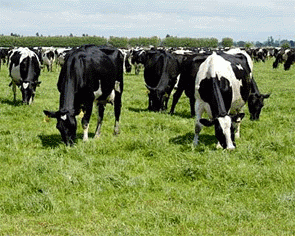
The countries feed supply is variable with some areas having a wonderful season while others are very concerned with the ever lowering soil moisture levels.
As winter planning starts so has the discussion about grazing rates for cows and the new crop of heifers, and the downturns impact shifts to the suppliers of feed.
Reports suggest prices in Canterbury are being negotiated in the $18-$20 per head per week range for cows and heifer grazing rates are falling to $10 per week and maize silage sales are low and slow.
Graziers are fighting these falls especially where fodder beet is demanded, as costs to produce this crop are high and yield can be variable. Some are looking to utilise this feed via store lambs or beef calves and both these markets have lifted in price in response to the increased demand.
The auction overnight lifted by 2.1% but as one analyst suggested, prices seem to be "bouncing along the bottom", and still appear a long way off getting back to sustainable levels and some of this rise has been negated by the lift in currency after the event.
Commentators seem confused about when, or if, the European milk supplies will stop increasing, with some suggesting no time soon, and others believe the low price for milk will soon reflect in reduced production.
For a better outcome for NZ dairy farmers global supplies must reduce and China needs to increase imports, and even then some believe managers may have to get used to lower milk prices for some time yet.
NZX have announced plans to offer milk futures along with their existing milk product contracts, and farmers may need to learn the skills to trade in this market if they are to reduce the price volatility out of their businesses.
The velvet leaf weed that has contaminated some cultivars of fodder beet and is being found in increasing numbers by officials desperate to ensure this bio security outbreak is wiped out at the start.
They have tightened the imported seed regulations in an" after the horse has bolted" move, and the latest news has shown it is affecting more cultivars than originally thought.
Westland reduced it’s payout prediction back to $3.90-$4.00, but Oceania has stood steadfast at $4.50 and with the expansion of it’s processing capacity, suggestions are being made that it may offer a strong price next year for a two year commitment, to attract more supply.
Synlait reports an increased half year profit and strong demand for the products it’s producing, and with it, more farmers keen to supply.
Killing space is tight for cull cows with some areas having to wait up to four weeks to have them processed, and with the schedule falling, saleyard prices have also dropped.
The Rabobank farmer survey showed confidence levels at a 10 year low with dairy and sheep operators leading the pessimism, but the beef and deer sector are much more optimistic about their futures.
We welcome your comments below. If you are not already registered, please register to comment
Remember we welcome robust, respectful and insightful debate. We don't welcome abusive or defamatory comments and will de-register those repeatedly making such comments. Our current comment policy is here.