
The Government is providing a new round of financial support for businesses affected by Covid-19.
Struggling businesses will be able to apply to receive a new payment, top up loans they may have taken out from Inland Revenue, and pay tax more flexibly.
Covid Support Payment
The Government is offering to pay businesses up to $84,000 each over six weeks, depending on how hard they’ve been hit by Covid-19 and how many people they employ, via a new Covid Support Payment.
To be eligible, businesses need to prove they’ve suffered a revenue drop of at least 40% for seven consecutive days within the six weeks prior to February 15, when the country shifted to Phase 2 of the Omicron response.
They will be able to receive up to three payments over six weeks. Each payment will be worth $4000, plus $400 per fulltime employee up to a maximum of 50 employees or $24,000.
Applications for the first payment open on February 28 and payments will start on March 1.
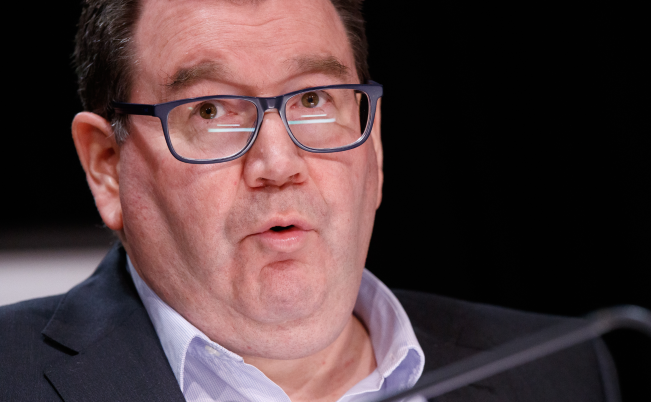
Finance Minister Grant Robertson said, “It will be available on a fortnightly basis for six weeks - so three payments in total. This reflects the international experience that the peak of the Omicron outbreak should pass after about six weeks. We will continue to closely monitor the situation and have the option to extend the payment if this if necessary…
“We looked closely at whether we could offer sector specific packages but the definition of who is in what sector, and the need for cashflow to be provided quickly meant that was not a feasible option to reach the most affected.”
Robertson said the Treasury estimates each payment will cost the Crown between $160 million and $260 million. So that's between $480 million and $780 million all up.
By way of context, businesses have received around $22 billion in government support via direct payments like the wage subsidy and Covid-19 support payments since the start of the pandemic.
Small Business Cashflow Loan Scheme top-up
Businesses that have used the Small Business Cashflow Loan Scheme to get loans direct from the government will also be able to top these up.
Firms will be able to draw down an additional $10,000, with a new repayment period of five years. The first two years will be interest free.
Secondly, Cabinet has agreed to remove the first two years of accrued base interest from all borrowers who have, or will, take out a loan under the scheme.
"This change will mean interest will only start accruing at the beginning of year three,” Revenue Minister David Parker explained.
There are a number of terms and conditions related to the scheme. To be eligible, businesses need to have suffered a fall in revenue. Loan size is also contingent on business size.
The most a firm can borrow is $100,000, plus the new $10,000 top-up.
To date, 119,403 businesses have received $1.92 billion in loans via the scheme.
Tax flexibility
Finally, the Government is extending the Commissioner of Inland Revenue’s ability to apply flexibility to tax payment dates and terms to help firms with cashflow pressures.
Parker said, “Any businesses struggling to pay tax because of the impacts of Covid should log on to myIR to see if they can delay starting payments to a later date, or if any part of the tax could be written off. Inland Revenue can help with both GST and provisional tax due.”
High level comment
Commenting on the new support measures made available, Robertson said, “As I said back in October when we announced the traffic light system, the Government has been monitoring the impact of the COVID Protection Framework on businesses and the economy.
“With the settings of the framework most businesses can open and operate relatively normally, even at red. We can see that the majority of the economy is operating close to normal, but in some sectors, like hospitality and events, there has been a significant drop-off in business. There are a range of reasons for this, but it is clear that the impact is putting a number of viable businesses at risk of not being able to operate.”
Reason for the RBNZ to hike by 50?
Infometrics principal economist Brad Olsen said the announcement affirms why the Reserve Bank should lift the Official Cash Rate by 50, rather than 25 points, at its review on Wednesday.
"With targeted support once again doing the heavy lifting to support short-term economic disruption, the Reserve Bank should be more aggressive than before today's announcement, given that adding more fiscal support will further aid economic demand amid tight supply," Olsen said.
Clarification: It was initially reported the new payment would cost between $160 million and $260 million. However these figures actually related to each of the three payments. So the total cost is expected to be between $480 million and $780 million.
We welcome your comments below. If you are not already registered, please register to comment
Remember we welcome robust, respectful and insightful debate. We don't welcome abusive or defamatory comments and will de-register those repeatedly making such comments. Our current comment policy is here.