
Wednesday’s labour market data showed the New Zealand economy was still adding jobs in June, though not as quickly as the working-age population had grown.
The rising unemployment rate was more a symptom of slow job growth than widespread redundancies and layoffs. This aligns with anecdotes of firms reducing their headcount through attrition, such as not filling routine vacancies.
Roughly one-third of the public sector job cuts were from leaving roles unfilled, according to Finance Minister Nicola Willis. A June quarter survey of private firms suggested 25% had reduced their headcount but didn’t specify by how much.
Despite these headlines, the labour force participation and employment rates remain more or less unchanged from two years ago at 71.7% and 68.4%, respectively.
Flat employment suggests the economy has been adding jobs at roughly the rate of population growth, although a separate measure showed filled jobs falling by half a percent during the quarter.
Part of the reason for the uptick in the unemployment rate was that a number of working-age people chose to come off the sidelines and look for work. This is unusual in a weak job market, which often discourages people from seeking employment.
That said, the number of available potential job seekers did rise to a three year high in nominal terms — the population has grown during that time as well.
Many of the jobs added during the quarter were part-time. The number of part-time jobs increased 2.2% while full-time roles dropped 1.2%. Both annual figures remained roughly flat.
The underutilization rate, which measures people who have less work than they want, rose sharply, and the total number of hours worked fell.
Employment conditions are particularly challenging for young people entering the workforce for the first time and competing against more experienced candidates.
Almost half of the annual increase in underutilization was due to people aged 15 to 24 wanting more work.
Sector splits
Private sector wage growth has slowed to an annual rate of 3.6% from 4.3% a year ago, while public sector wages have continued to rise due to collective bargaining agreements.
Statistics NZ said these pay increases were for jobs such as health workers and early-childhood education staff, rather than policy analysts or Wellington jobs.
Speaking of public sector cuts, Wellington job numbers took a hit in the March quarter but seemed to recover in June. Unemployment fell from 4.6% to 4.2% and other metrics also improved.
The sectors suffering the most job losses over the past year have been manufacturing, hospitality, and professional support services — which covers a long list of office jobs.
During the June quarter, the construction sector lost jobs rapidly due to the building slowdown. The information, media, and telecommunications sectors also reported losses.
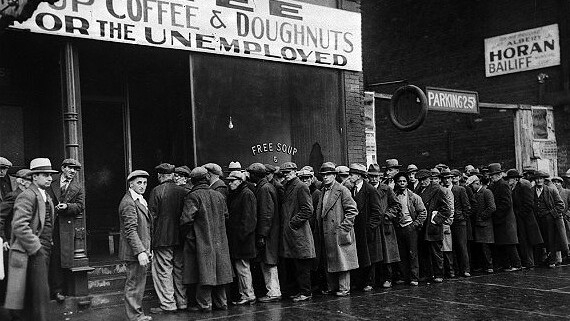
This is the human cost of crushing inflation. Prior to the data release, some economists were calling for the Reserve Bank to cut interest rates as soon as next week.
Wednesday’s data didn’t do much to back up this call. If anything, the labour market was slightly stronger than the Reserve Bank expected at its May Monetary Policy Statement when it said it would hold rates steady for a year.
Miles Workman, a senior economist at ANZ, said there was still a risk sticky domestic inflation pressures will hang around if the central bank eases too early.
Bond traders backed away from positions that almost fully priced in an August rate hike after the jobs data was released, and the Kiwi dollar climbed against its peers.
Stop work
Barbara Edmonds, the Labour Party’s finance spokesperson, said the Government needed to do more to stop newly jobless people from moving to Australia.
Speaking on Tuesday, she said the coalition should “take the handbrake off construction” by continuing to build the homes, schools, and hospitals Labour started.
Many of these projects have been paused or cancelled due to higher-than-forecast costs, contributing to a wider slowdown in the construction sector.
“It's Economics 101 that if the market is failing, the government should intervene. Otherwise, we are going to lose all this labour overseas,” Edmonds said.
Finance Minister Nicola Willis said she was focused on bringing down inflation, which would allow the Reserve Bank to lower interest rates and the economy to recover.
“We still have a fundamentally strong economy and a government focused on rebuilding it,” she said.
We welcome your comments below. If you are not already registered, please register to comment
Remember we welcome robust, respectful and insightful debate. We don't welcome abusive or defamatory comments and will de-register those repeatedly making such comments. Our current comment policy is here.