
Expectations of a rising house market are soaring, according to results from the Reserve Bank's latest quarterly household expectations survey out today.
The February results for the survey show that a net 74.3% of respondents expect higher house prices in a year. This has surged from 64.4% in the last survey in November.
The latest figure is much the highest in a survey that has only been running since May 2011. The results in that very first survey showed, for example that then just 34.1% of households expected prices to rise.
Similarly the expectation for mean house price inflation in a year's time is at record levels, with an expected house price inflation rate of 4.7%, up from 4.1% in November.
All this is potentially not good news for the Reserve Bank. However, the news is rather more benign on household views of overall inflation. The median expected inflation rate in 12 months time is 3%, which is unchanged over the past year. Expectations of inflation five years out have taken an upturn, however, with a median rate of 3.4% expected, up from 3% in November, but down on 3.8% as of last August.
Actual inflation as measured by the Consumer Price Index in the year to December was 0.9%
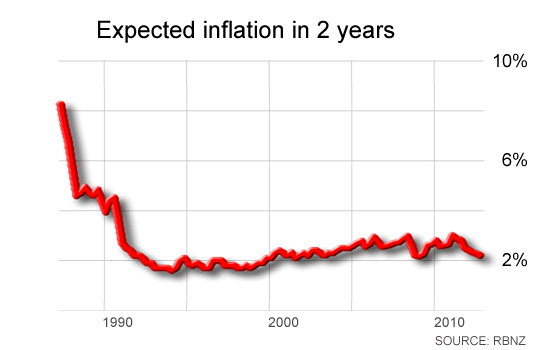
The RBNZ's survey of business expectations, also out today, showed conversely a fall in inflation expectations from business leaders. Firms have a median expectation of 1.7% inflation a year out, compared with 1.8% in November. Similarly, median expectations for two years out have dropped to 2.2% from 2.3%.
Monetary conditions were perceived by businesses to be "easy" and expected to remain that way in the next year.
Expectations of economic growth are strengthening, with the GDP tipped to grow by 2.3% in the next year, compared with an expected growth of just 2.1% in the last survey. The latest Statistics New Zealand data indicates real production-based GDP increased by 2% between September 2011 and September 2012. Positive quarterly growth of 0.5% is expected by survey respondents for both the December 2012 and March 2013 quarters.
While there have been a wave of recent redundancies, businesses do see unemployment gradually falling, with an expectation that the unemployment rate will be 6.7% in a year (down from 6.8% in the previous survey). The actual rate in December was measured as 6.9%
Expectations for interest rates are now slightly edging up. The key 90-day bank bill rate is expected to be 2.7% by the end of March (around the levels at the time the survey was conducted), rising to 2.9% in December.
The RBNZ's Official Cash Rate stands at 2.5%. The move up in expectations for the 90-day bill rate suggests more businesses are now expecting the RBNZ to start lifting official rates before the end of the year.
We welcome your comments below. If you are not already registered, please register to comment
Remember we welcome robust, respectful and insightful debate. We don't welcome abusive or defamatory comments and will de-register those repeatedly making such comments. Our current comment policy is here.