
Quotable Value (QV), the state-owned valuer, says New Zealand residential property values rose 2.4% over 2011 with Auckland values rising to record highs and likely to increase further.
QV says its price indices for December show values rose 2.4% over the year, and are now 3.5% below the previous market peak of late 2007.
However, despite national values moving upwards during the year, the property market continued to be characterised by lower than normal sales volumes, QV research director Jonno Ingerson said.
"Sales numbers in 2011 were more than 20% below the long-term average, and while up a few percent on the sales volumes of 2008 and 2010, both of those years were the lowest since the early 1980’s, so outside of those two years 2011 is the lowest for 20 years."
Ingerson said the low sales came with buyers generally acting cautiously throughout 2011, taking their time to do their research before making offers.
"First home buyers came back into the market in 2011 encouraged by low interest rates, while investors were largely on the sidelines."
This increase in activity at the cheaper end of the market was reflected in average sales price of NZ$398,411 for properties sold in the last three months of the year, Ingerson said, nearly NZ$12,000 less than the average sales price a year earlier, and a fall of almost 3%.
Record high for Auckland
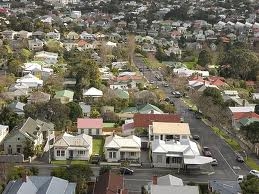
Meanwhile, values in the Auckland region rose 4.3% during 2011 and ended the year at their highest level ever, 1.4% above the previous peak of late 2007. QV says the average sales price in the Auckland area over the past three months is NZ$525,532.
Ingerson said the Auckland market during 2011 was characterised by a lack of new listings and quality stock, leading to increased demand for good properties that made it to market.
"Auckland values are likely to increase further, especially given that the population continues to grow, building activity has been weak, and if a lack of new listings of quality properties keeps supply below demand," said Ingerson.
Summarising the year, he said the first few months of 2011 saw values across New Zealand stable with rises in Auckland and earthquake hit Christchurch balanced by falling values in many other areas. Then from April onwards national values started rising as most of the main centres, aside from Wellington, began to stabilise.
By September values were increasing in all the main centres, including Wellington, Ingerson said, plus in many provincial and rural towns, suggesting a nationwide improvement in the property market. However, 2011 closed with the first signs that this apparently nationwide recovery could be faltering.
"National values increased from November to December, as they continued to do in Auckland, Wellington, Christchurch and Dunedin. However values flattened in Hamilton and Tauranga, and dropped in several provincial towns that previously had been recovering, notably Gisborne and Rotorua," Ingerson said.
Auckland
Values in the Auckland area increased by 4.3% during 2011 and ended the year at their highest level ever, 1.4% above the previous peak of late 2007. The Auckland market in 2011 was generally characterised by a lack of new listings and quality stock. This led to increased demand for the good quality properties that did come to the market.
The central suburbs performed particularly well and consequently the old Auckland City area increased 5.8% during the year and values are now 3.3% above the previous market peak.
Wellington
Values in the Wellington area varied throughout the year, beginning by increasing slightly for the first couple of months then falling through until September before beginning to increase again. As a result, values at the end of the year were just 0.4% below the previous year, and 6.5% below the previous market peak.
Christchurch
The Christchurch property market is still significantly disrupted as a result of the earthquakes. Values in the undamaged parts of the city have increased due to demand from displaced residents or workers from outside the region assisting with the recovery. Values overall in Christchurch City ended the year 4.3% up and just 0.9% below the 2007 market peak. The areas immediately surrounding Christchurch have picked up strongly with Waimakariri District 9.1% up over the year and 2.6% above the 2007 peak, and Selwyn District 7.5% up over the year and 5.0% above the 2007 peak.
Hamilton, Tauranga, Dunedin
In Hamilton values dropped for the first couple of months of 2011, then steadied for most of the year before rising a little in the last few months. As a result values remain unchanged from a year earlier, and are 11.1% below the peak. Tauranga followed a similar pattern to Hamilton and finished 2011 0.7% up for the year and 11.3% below peak. Dunedin values varied throughout the year but increased steadily from August onwards to finish the year 1.6% up and 5.2% below peak.
Provincial centres
Of the main provincial centres, four of them ended the year up on the previous year, Whangarei by 0.6%, Palmerston North 0.1%, Nelson 2.5% and Queenstown Lakes1.5%. The other main provincial centres all dropped, Hastings by -0.7%, Napier -1.6%, New Plymouth -2.1%, Gisborne -2.8%, Rotorua -3.7% and Wanganui -4.3%.
These changes over the past 12 months don’t necessarily reflect which direction values are currently moving. Many provincial centres were relatively stable for much of the year before beginning to recover in late winter and early spring. However most have begun to level or decline again in the last couple of months of the year.
2012 outlook
The property market is heavily influenced by consumer confidence, so it will be fascinating to see how 2012 pans out. Auckland values are likely to increase further, especially given that the population continues to grow, building activity has been weak, and if a lack of new listings of quality properties keeps supply below demand. Whether values continue to increase in Christchurch depends on a number of factors including the re-zoning of properties to red or green, decisions on the nature and timing of CBD redevelopment, and of course any further significant earthquake events.
Values in Hamilton, Tauranga are likely to stay fairly stable, and whether values continue to rise in Wellington and Dunedin is difficult to pick. The property markets in the provincial and rural areas are heavily dependent on the strength of the local economies in those areas.
A strong rural sector typically has a positive impact on the property values in towns supporting those areas, likewise the coming or going of large local industries can have a significant impact. While business and consumer confidence seems to be on the increase, there is still some concern about the financial situation in Europe, and what may happen to the New Zealand economy if events there take a turn for the worse. 2012 is likely to be another interesting year for the property market.
No chart with that title exists.
We welcome your comments below. If you are not already registered, please register to comment
Remember we welcome robust, respectful and insightful debate. We don't welcome abusive or defamatory comments and will de-register those repeatedly making such comments. Our current comment policy is here.