
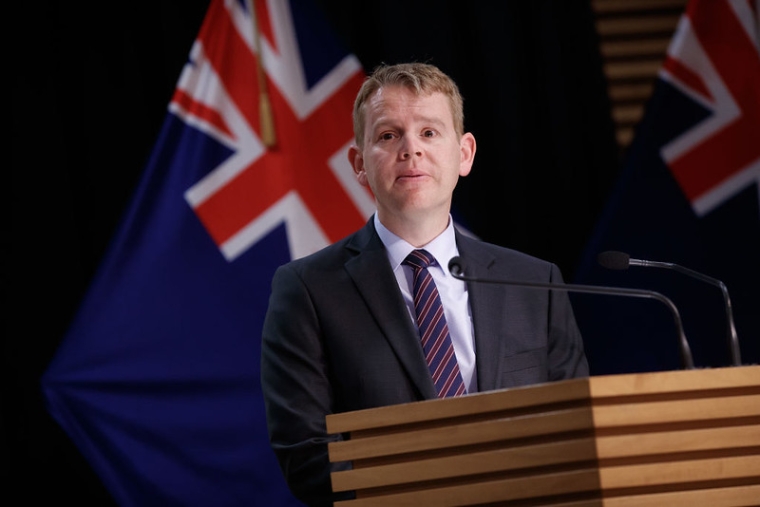
Prime Minister Chris Hipkins has announced a clearing of the Labour Government's less popular policies ahead of the October 14 election, as indicated by his predecessor Jacinda Ardern late last year and when he was elected unopposed by his caucus last month.
Hipkins announced the changes after the first substantive Cabinet meeting of his new ministry. They included:
- ending work this term on a social insurance scheme that would have forced employers and employees to each pay 1.39% of income in premiums for an unemployment and illness insurance scheme to be administered by ACC;
- suspending plans for a biofuels mandate aimed at reducing climate emissions, but that would have increased fuel prices;
- ending plans for a TVNZ-RNZ merger, but with plans for extra funding for RNZ and NZ on Air;
- ending work this term on hate speech legislation; and,
- increasing the minimum wage in line with CPI inflation (7%) or $1.50 per hour to $22.70/hour from April 1, which is lower than previous increases, which were above CPI inflation.
“I said the Government is doing too much too fast, and that we need to focus on the cost of living. Today we deliver on that commitment," Hipkins said.
He said social insurance was off the table and would not proceed as planned.
"We will need to see a significant improvement in economic conditions before anything is advanced. Work will continue to explore ways to best address these inequities in the long term when the economy is better placed to make change. But it is off the table for now," he said.
Cabinet agreed the biofuels mandate will not proceed.
"The mandate would have increased the price of fuel, and given the pressure on households that’s not something I’m prepared to do," he said.
Hipkins said Three Waters would be reconsidered, with unspecified details to come at an unspecified later date.
"The need for reform is unquestionable. The events in Auckland have once again demonstrated the limits of our existing infrastructure and the need for change. But careful consideration is required," he said.
Hipkins said the changes set a new direction for the Government.
"It will help to provide greater bandwidth and resource for where focus is needed most – the cost of living. When I became leader I promised that the Government would do more to help families with the cost of living," he said.
Hipkins said the 7% increase in the minimum wage would only increase the wages portion of GDP by 0.1%, according to MBIE analysis.
We welcome your comments below. If you are not already registered, please register to comment
Remember we welcome robust, respectful and insightful debate. We don't welcome abusive or defamatory comments and will de-register those repeatedly making such comments. Our current comment policy is here.