
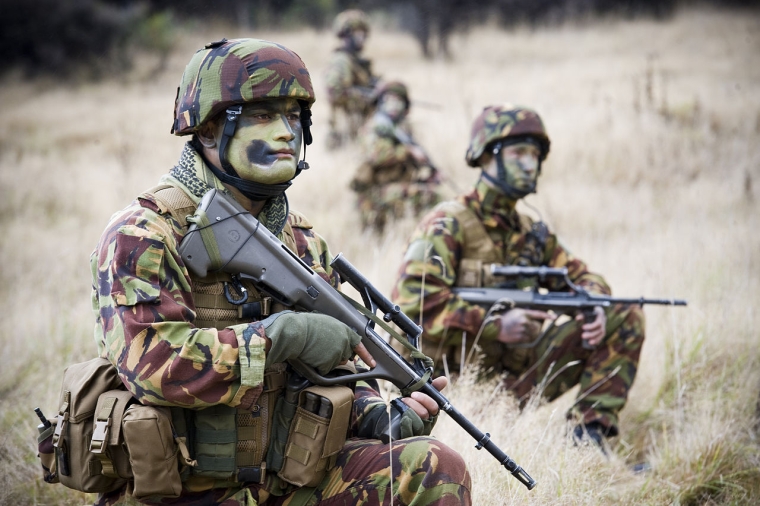
The Government will give the Defence Force (NZDF) more than $419 million over four years to spend on wages for its staff which have been leaving the organisation at record rates in recent years.
Soldiers, sailors and aviators will get an annual pay increase of between $4,000 and $15,000 starting from July 1.
Defence Minister Andrew Little said the boosted pay rate would help to attract and retain more New Zealanders in defence jobs.
“This increase is four times greater than any previous defence remuneration boost over the past decade. It will go a long way to address attrition issues and make defence a career of choice.
“High rates of staff turnover, as well as increasing calls on the NZDF such as responding to Cyclone Gabrielle, training Ukrainian troops in the UK, and surveillance and patrolling in our region means our forces are stretched,” he said in a statement.
Defence Force personnel have been quitting to seek out better pay as inflation has degraded their, pay.
A feature published in North & South magazine earlier this year said that more than one in 10 military personnel have left the organisation in the past year, and even more skilled staff.
More than 70% of military personnel were paid between 5% and 16% less than people in equivalent civilian jobs.
Little said the new pay rates were either in line with, or close to, market rates for similar jobs in the private sector.
“We have a moral obligation to ensure our soldiers, sailors and aviators are fairly paid for the critical and often dangerous work they do, and the government takes that responsibility seriously on behalf of all New Zealanders”.
Troops are currently deployed in a UN peacekeeping mission in South Sudan, support security in the Solomon Islands, observing border lines in the Middle East and the Korean Peninsula, and training Ukrainian forces in the UK.
Increasing chance of trouble
Little said it was important that New Zealand has the personnel and equipment to respond to both climate change and the competition for influence over the Pacific.
Other countries in the region, such as Japan and the Philippines, have been ramping up their military spending in response to what they see as increasing aggression from China.
China has been significantly growing its military for years and has been attempting to exert more influence in the Pacific.
In March, Little told Reuters that New Zealand's military would require large investments to face some new challenges and greater expectations from friendly nations.
New Zealand spends roughly 1.5% of its GDP on its military and is working on a broad review of its defence policy. There is a possibility of joining AUKUS, the defence alliance focused on the Indo-Pacific region and aimed at countering China’s rising influence.
Budget 2023 will also invest $328 million in upgrading our Defence Force assets and infrastructure, including $90 million to upgrade aviation fueling facilities at Ohakea.
And $85 million will be spent on improving housing for Defence Force staff, where many families live on military bases with a serviceperson.
Today’s capital announcements brings the total amount invested in Defence to $4.7 billion since 2017, or double what the previous government spent, Little said.
We welcome your comments below. If you are not already registered, please register to comment
Remember we welcome robust, respectful and insightful debate. We don't welcome abusive or defamatory comments and will de-register those repeatedly making such comments. Our current comment policy is here.