
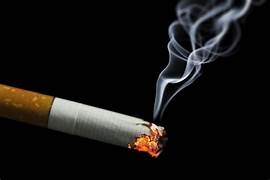
The cost of a cigarette is an easy calculation for the smoker to make - an early grave.
But it is proving a drag for Treasury, which has been trying to work out how much it will cost the Government to stamp out this bad habit.
Treasury experts took a stab at the problem, and came up with a figure of about $800 million a year by 2027, but then admitted that they could not really be sure.
The whole problem stems from the fact that tobacco is one of the most highly taxed products on the market. The Government made $1.886 billion from duty on tobacco in the most recent year of completed annual accounts.
Since this money constitutes ill-gotten gains by any definition, successive governments have had no qualms about putting it at risk with health campaigns aimed at getting smokers to quit.
The problem has now intensified with the Government's latest campaign against tobacco. Not only are people born from 2009 banned from buying tobacco at all, but the number of retail outlets will be limited. In addition, lower nicotine levels will mean people who try tobacco are less likely to get hooked.
If this campaign works, the numbers of smokers would plummet, and bring Crown income from excise tax crashing down in its wake.
Treasury officials set out to quantify this, and predicted state revenue to fall from $1.886 billion in 2022 to $1.036 in 2027. There would be a graded drop-off in the intervening years.
But then, Treasury took a second look at its own calculations, consulted overseas experience and promptly hedged its own conclusions.
"A number of these interventions have been trialled extensively in other jurisdictions," Treasury says.
"There is incomplete international evidence to indicate to what degree these collective actions will impact smoked tobacco consumption."
Despite this uncertainty, Treasury officials say the analysis is still worthwhile and will continue.
The paper does not make clear why its own research would carry such a lack of clarity. It could be that determined smokers will go out of their way to get tobacco and put up with its lower quality, no matter what the Government says. They might also acquire smuggled or home-grown tobacco.
Meanwhile, there is even less certainty about the impact of anti-smoking measures on superannuation costs.
On the face of it, it would seem certain that less smoking would mean more old people, which would mean higher pension costs.
But a Treasury official says it will take decades before the impact of this becomes obvious.
We welcome your comments below. If you are not already registered, please register to comment
Remember we welcome robust, respectful and insightful debate. We don't welcome abusive or defamatory comments and will de-register those repeatedly making such comments. Our current comment policy is here.