
The New Zealand Government ran an operating deficit of $9.4 billion in the financial year ended June 2023, as corporate tax revenue came in $2.4 billion below forecast.
Treasury had predicted a deficit of just under $7 billion but, as previously reported, revenue was 1.6% lower than expected — largely due to lower corporate tax revenue.
Total revenue was $153 billion, up $11.4 billion from the prior year, but was $2.5 billion below the forecasts included in Budget 2023.
The deficit was added to net debt, which finished the year at $71.4 billion or 18% of gross domestic product, roughly as forecast. Net worth increased by $17.2 billion to $191.5 billion.
Treasury said the financial results were impacted by high inflation and rising interest rates.
“This has supported strong wage growth and private consumption through the year and led to steady growth in the nominal economy, with nominal GDP increasing 8.9%”.
“Tax revenue has grown on the back of growth in the economy, however at a slightly slower pace reflecting the impact of weaker business profits”.
Inflation had also contributed to a growth in expenses, with a large part of the Budget 2022 package funding cost pressures and cost-of-living related policy initiatives.
Higher interest rates had a net negative impact on the Government’s fiscal result, with the increase in financing costs exceeding the increase in interest revenue.
Since the accounts are being released in the election campaign period, the minister of finance didn’t speak at the lockup. However, the minister did provide a written statement, as usual.
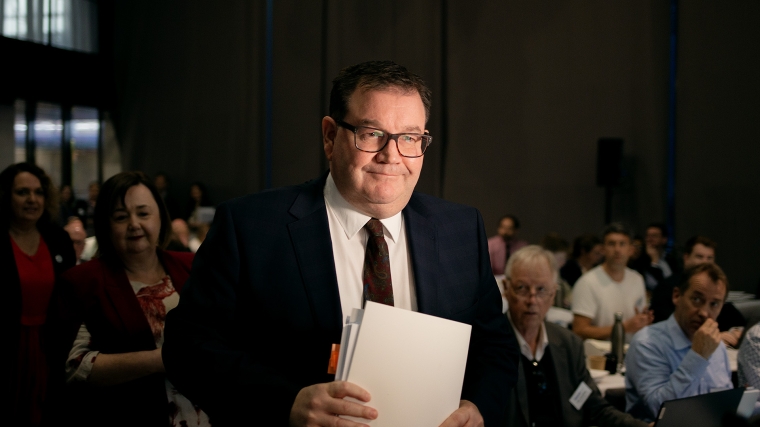
In it, Grant Robertson said the financial year had been a challenging one for New Zealand and the Government’s accounts.
Supporting the economy, with spending, had kept unemployment well below the long-term average and helped gross domestic product grow almost 8% since the start of the pandemic.
“The global economy continues to experience the reverberations from the 1-in-100 year economic shocks from the pandemic while New Zealand also experienced its second largest natural disaster following the impact of flooding and Cyclone Gabrielle,” he said.
Robertson said the government had found $4 billion of savings in response to the weaker tax revenue which ensured the country remained on a “sustainable fiscal path”.
We welcome your comments below. If you are not already registered, please register to comment
Remember we welcome robust, respectful and insightful debate. We don't welcome abusive or defamatory comments and will de-register those repeatedly making such comments. Our current comment policy is here.