
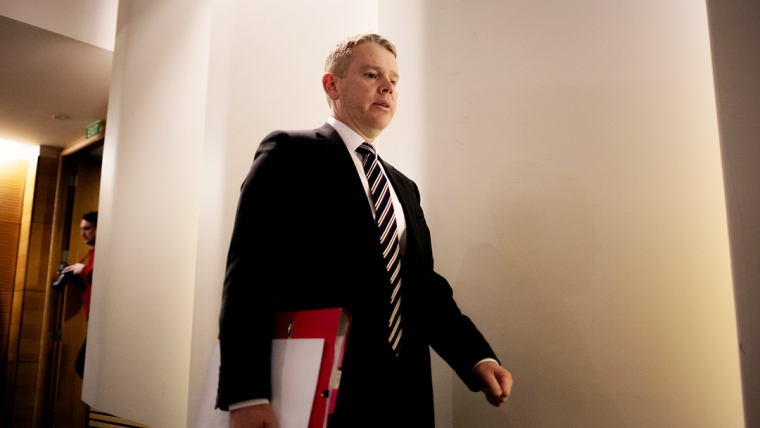
Recent polls have some speculating whether Chris Hipkins could lead the Labour Party back into Government in 2026 and condemn Christopher Luxon to being a one-term Prime Minister.
The possibility is real because the gap between the Coalition and the opposition has roughly halved since the election. They still command a majority but it is getting closer.
And it gets worse. That majority could vanish altogether if New Zealand First were to fall below the 5% threshold, even if the Act Party picked up all of the lost votes.
You can see why the Labour Party has been fairly happy to stick with their leader and embrace his particular brand of cautious centrism. They really may be in with a chance.
Now, I know it is silly to speculate about the next election when the previous one was less than 10 months ago … but let’s do it anyway.
My thinking is that a National-led coalition is most likely to win a second term. This is largely due to economics, rather than politics, and I’ll explain.
Hipkins recently told Newsroom that last years’ election was a vote for change, rather than a vote for the coalition. This is a commonly held view and is probably right.
Household living costs went up more than 20% during the pandemic. While that wasn’t Labour’s fault, it was in Government when it happened and copped the blame.
One possible explanation for the Coalition’s lackluster polling is that they have not been able to fix everyone’s economic troubles overnight. Instead, things have been getting worse.
Unemployment is rising while interest rates refuse to budge. This means some are not just struggling to pay their mortgages, but also worrying they might lose their home completely.
Those who run businesses are likely feeling the recessionary pinch more than they were six months ago, and households are learning that most inflated prices never come back down.
A final wave of inflation has also hit in unavoidable places: massive rate increases from local councils, higher insurance premiums, and ever rising rents. Tax cuts are small in comparison.
Voters can be impatient and quick to assign blame. National and its friends might not have caused any of these problems but they did promise to fix them…
Polling guru Carin Hercock, from Ipsos New Zealand, certainly thought economic problems could be responsible for negative views of the Government.
She said worries about inflation were falling elsewhere but remained “stubbornly concerning” for about two thirds of New Zealanders in Ipsos’ monthly Issues Monitor.
“This lack of movement may be a key factor impacting New Zealanders assessment of the current government performance, which remains comparatively low at 4.6/10,” she said.
A separate survey done by the company found one in four Kiwis were finding it difficult to manage financially, and 25% thought their standard of living would fall in the next year.
Respondents blamed this on the global economy and interest rates—as they should—but also on Government policies and excessive business profits. The survey ran from March to April.
It is not a big assumption to think that poor economic sentiment has been hurting National’s poll numbers as much, or more, than day-to-day dramas around controversial policies.
This might mean Labour’s relatively strong polling is something of a false dawn. Economic conditions could be very different when New Zealanders go back to the polls in 2026.
Treasury expects economic growth will be back, inflation will be on target, interest rates down two percentage points or more, house prices rising, and unemployment past its peak.
National and the coalition won’t have directly caused these outcomes but just as Governments get unfair blame, they also get unearned credit.
Prime Minister Christopher Luxon can campaign on having ‘fixed’ all of these problems and compare them to Hipkins’ brief stint: inflation at 6%, interest rates high, GDP flat, etc.
That could be a difficult attack to overcome. Although, voters may actually be more willing to consider Labour’s more progressive policies if they are not stressed out at home.
What could sink the Coalition is if the economy fails to pick up next year. If New Zealand’s recession drags into 2026, the chances of a one-term government will increase drastically.
We welcome your comments below. If you are not already registered, please register to comment
Remember we welcome robust, respectful and insightful debate. We don't welcome abusive or defamatory comments and will de-register those repeatedly making such comments. Our current comment policy is here.